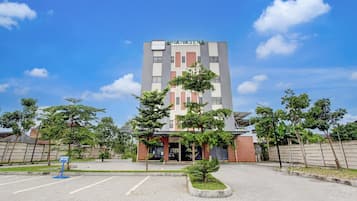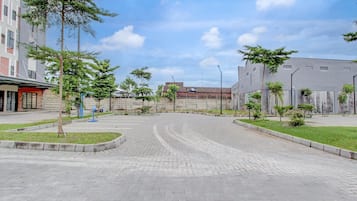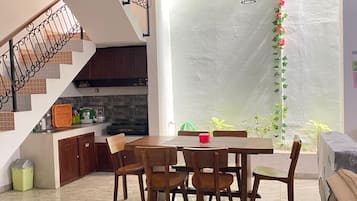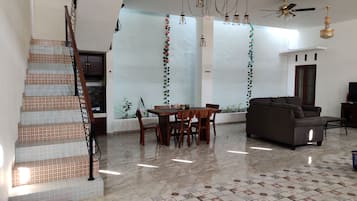
相片由 Sharrie Shaw 提供
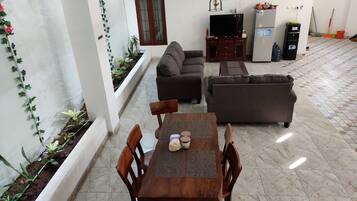
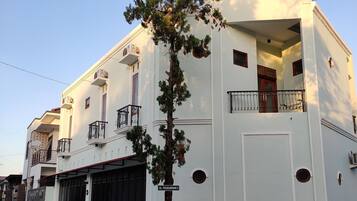
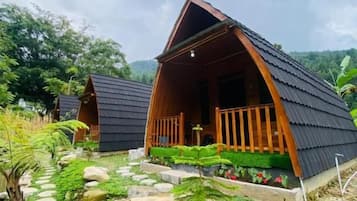
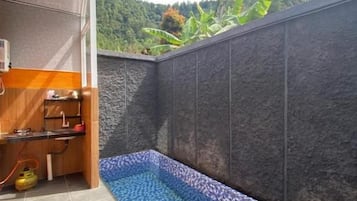
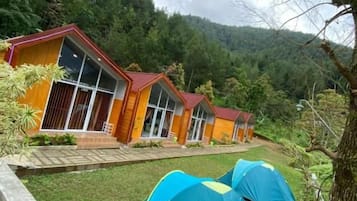
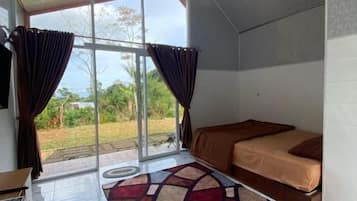
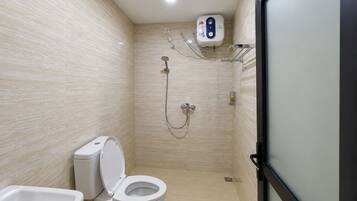
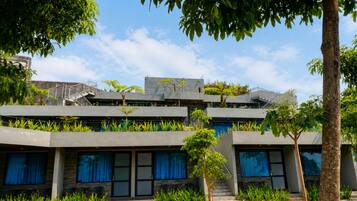
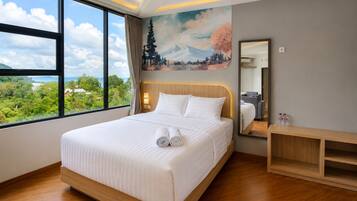
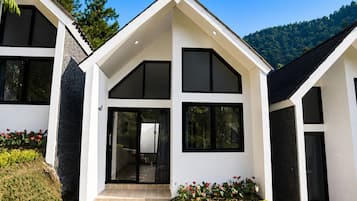
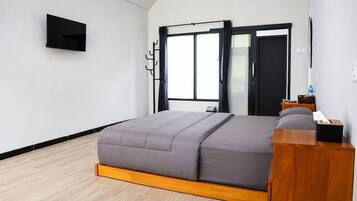
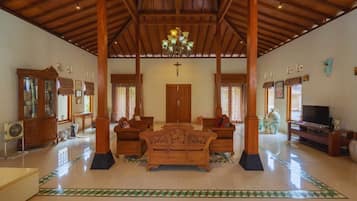
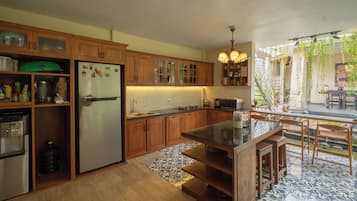
梭羅出租度假屋
- 改變主意預訂可免費取消的酒店
- 精挑細選搜尋全球近百萬間住宿
查看這些日期的價格
梭羅度假屋熱選
現售 HK$257
合共 HK$315
連稅及其他費用
1 月 11 日 - 2026 年 1 月 12 日

現售 HK$677
合共 HK$914
連稅及其他費用
1 月 5 日 - 2026 年 1 月 6 日
過去 24 小時內找到的最低每晚價格 (2 位成人 1 晚)。價格及供應情況可能會出現變動,可能設有其他條款。
梭羅熱門酒店評價

梭羅諾富特酒店
8/10 不錯
其他關於梭羅的資料
梭羅出租度假屋住宿預算
梭羅的出租度假屋豐儉由人,每晚住宿費一般介乎 HK$294 至 HK$914。
出租度假屋與酒店的分別
度假屋與酒店的最大分別,在於空間大小:一般來說,酒店以「客房」為單位;而度假屋則動輒一兩層「起跳」,起居範圍大得多,且視乎主題風格而定,設計各有特色。酒店主打周到服務,除了有專人辦理登記入住手續,更設有客房送餐、清潔、洗衣、開床等全天候禮遇,旅客連手指頭都不用動一根,專心享受就得!度假屋則更像是「Home away from Home」,可讓你在外獲享「家的感覺」,於更奢華寬敞的空間中,「煮飯仔」為親朋好友下廚亦可,買外賣大吃一餐亦得!再者,度假屋的登記入住處大多另設於專門櫃台或站點,屋內並無職員駐場,私隱度自然較高。
出租度假屋設施
出租度假屋算得上是「豪華型家居」,客廳、獨立睡房、廚房、洗手間等一應俱全,並視乎所在地點與特色,配備以下設施:
- 花園
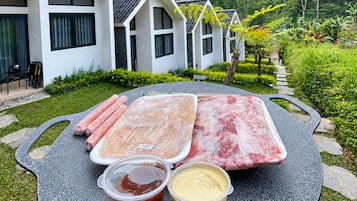
- 燒烤爐
- 林景或海景露台
- 天台休憩空間
- 健身室
- 泳池
- 按摩浴池
梭羅至抵旅遊時機
要入住梭羅的度假屋,以 價格最抵,的住宿費則較高。
梭羅人氣旅遊月份
梭羅的旅遊旺季高峰期為 ,屆時氣候怡人,觀光玩樂活動多不勝數,肯定會讓你留下美好的度假回憶!
![At the museum no photos are allowed which is really unfortunate as it was well worth the visit and the guided tour is definitely not to be missed. In the museum there are even Batik made from the Dutch era which depicts stories like Little Red Riding Hood and Snow White!
I enjoyed the tour v much and at the end of the tour we were brought to this room where the artisan were working on hand drawn batik.
Below is an excerpt from Wikipedia for anyone interested in learning more about the process of batik making.
Firstly, a cloth is washed, soaked and beaten with a large mallet. Patterns are drawn with pencil and later redrawn using hot wax, usually made from a mixture of paraffin or bees wax, sometimes mixed with plant resins, which functions as a dye-resist. The wax can be applied with a variety of tools. A pen-like instrument called a canting (IPA: [tʃantiŋ], sometimes spelled with old Dutch orthography tjanting) is the most common. A canting is made from a small copper reservoir with a spout on a wooden handle. The reservoir holds the resist which flows through the spout, creating dots and lines as it moves. For larger patterns, a stiff brush may be used. Alternatively, a copper block stamp called a cap (IPA: [tʃap]; old spelling tjap) is used to cover large areas more efficiently.
After the cloth is dry, the resist is removed by scraping or boiling the cloth. The areas treated with resist keep their original color; when the resist is removed the contrast between the dyed and undyed areas forms the pattern. This process is repeated as many times as the number of colors desired.
The most traditional type of batik, called batik tulis (written batik), is drawn using only the canting. The cloth need to be drawn on both sides and dipped in a dye bath three to four times. The whole process may take up to a year; it yields considerably finer patterns than stamped batik.
Source: Wikipedia](https://images.trvl-media.com/place/6224808/26fd1460-c65a-4c1a-9444-7a893e883ac9.jpg?impolicy=fcrop&w=1200&h=500&q=medium)