跳至主目錄
旅遊產品
旅遊產品
旅遊產品
酒店/住宿
酒店/住宿
機票
機票
租車
租車
套票行程
套票行程
當地玩樂
當地玩樂
優惠
團體和會議
最後召集優惠
打開 App
HKD
•
刊登你的住宿
協助中心
行程
Communication Center
登入
會員價即訂即慳
登入
深入了解 One Key
意見
歐洲
新市
英格蘭
英國
歐洲
計劃行程
新市旅遊指南
新市酒店
新市租車
新市套票行程
搜尋新市當地玩樂 | 新市必玩熱門旅遊景點與一日遊行程及門票
活動、景點及導賞團
活動地點
由
至
搜尋
探索地圖
暢遊新市
活動類型
新市旅遊指南
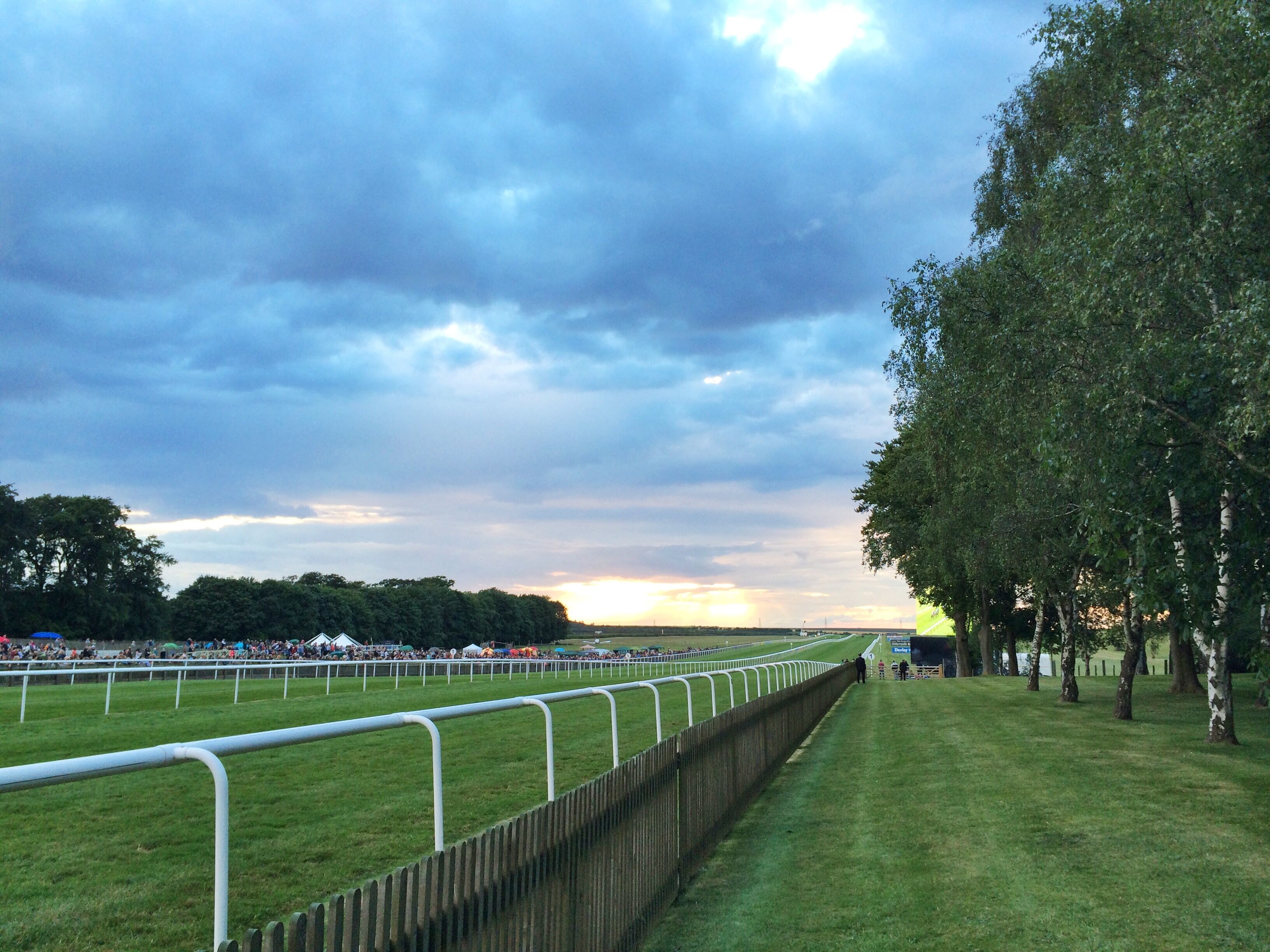
新市
新市
John5199
的相片 (
Creative Commons Attribution 2.0
)
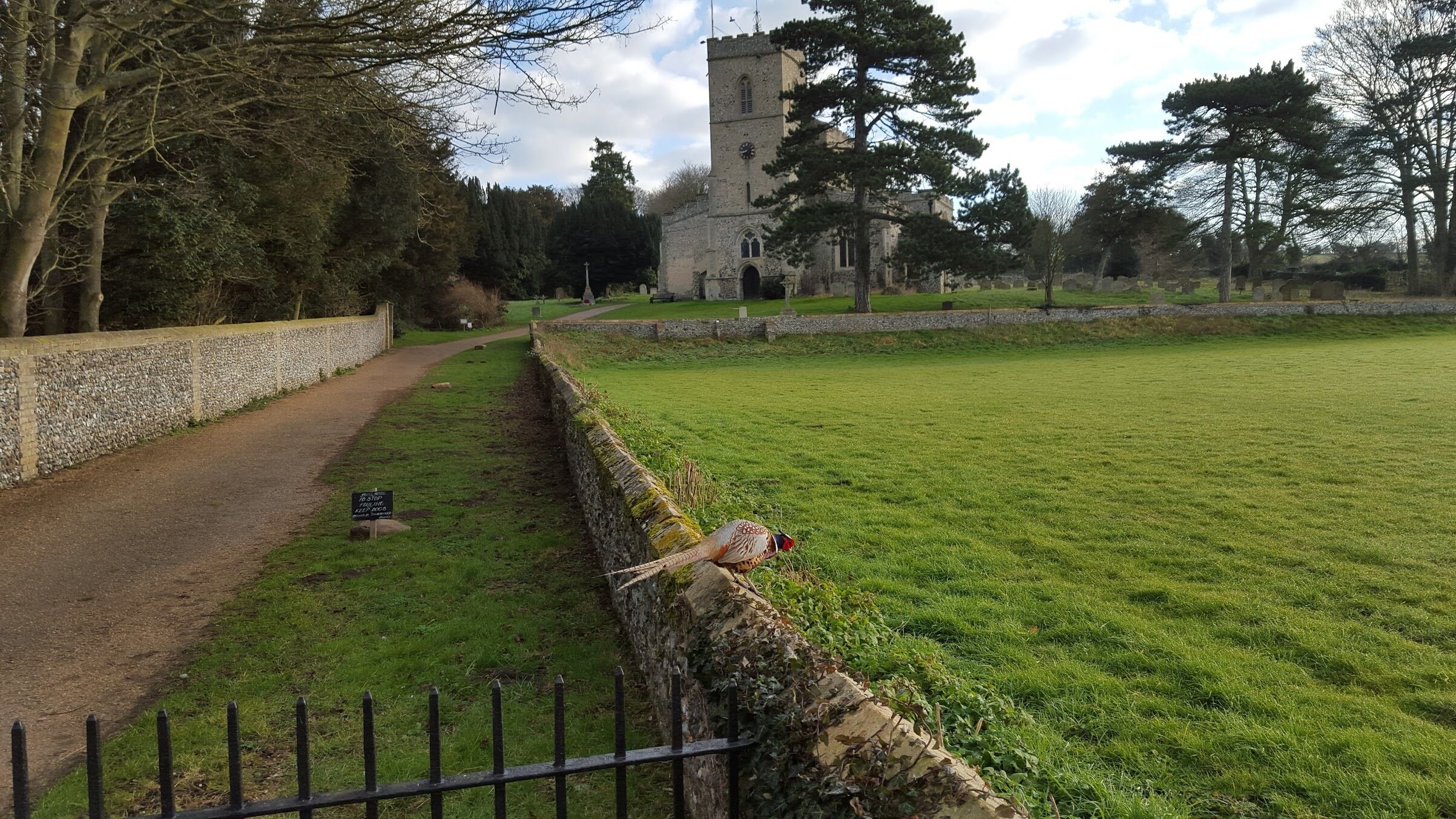
新市
christopher_brown
的相片 (
Creative Commons Attribution 2.0
)
新市
Dmso (page does not exist)
的相片 (
Creative Commons Attribution-Share Alike 4.0
)
新市
Clinton & Charles Robertson
的相片 (
Creative Commons Attribution 2.0
)
25
查看全部 25 張相片
當地玩樂
由校友TM带领的剑桥徒步之旅,以及可选的国王学院之旅
HK$244
每位成人
由校友TM带领的剑桥徒步之旅,以及可选的国王学院之旅
剑桥无限次搭乘 City Sightseeing 城市观光巴士游览
HK$180
每位成人
剑桥无限次搭乘 City Sightseeing 城市观光巴士游览
剑桥共享导游平底船之旅
HK$191
每位成人
88%
旅客推薦
剑桥共享导游平底船之旅
切线剑桥:景点和亮点团体徒步之旅
HK$273
每位成人
切线剑桥:景点和亮点团体徒步之旅
深入历史:从伦敦出发游览剑桥和中世纪英格兰
HK$1,040
每位成人
深入历史:从伦敦出发游览剑桥和中世纪英格兰
好奇的剑桥 - 历史之旅,很有趣 ! ! !
HK$212
每位成人
100%
旅客推薦
好奇的剑桥 - 历史之旅,很有趣 ! ! !
伦敦到剑桥大学与国王学院校友之旅
HK$902
每位成人
100%
旅客推薦
伦敦到剑桥大学与国王学院校友之旅
经典剑桥步行之旅,带认证向导者
HK$318
每位成人
经典剑桥步行之旅,带认证向导者
剑桥:与导游一起乘坐撑篙游船
HK$364
每位成人
剑桥:与导游一起乘坐撑篙游船
查看所有新市活動
探索活動
由活動和景點以至一日遊和接駁服務,幾千種體驗等你探索。
輕鬆預訂
不用排隊,只需幾分鐘即可在網上預訂熱門景點門票,很多活動還可以免費取消。
奬勵自己
會員預訂活動可慳至少 %。
住在新市人氣景點附近
紐馬克特賽馬場
8.8/10 (143 則評價)
在新市旅遊時,記得花點時間到紐馬克特賽馬場看看。無論你想漫步河畔,還是到熱鬧酒吧品嚐美食,這地區都能滿足到你。
閱讀較少資訊
查看住宿
國家馬場
9.2/10 (19 則評價)
在斯特徹和爾夫旅遊時,記得花點時間到國家馬場看看。難得來到這個休閒放鬆地區,不如到如畫花園或SPA走走逛逛,放鬆身心吧。
閱讀較少資訊
查看住宿
國家賽馬博物館
9.2/10 (26 則評價)
在新市旅遊時,不妨考慮到國家賽馬博物館瀏覽展品。 若有機會到訪這個休閒放鬆地區,別忘了前往SPA參觀,再到特色咖啡館品嚐美酒佳餚。
閱讀較少資訊
查看住宿
向左
向右
新市附近城市
劍橋
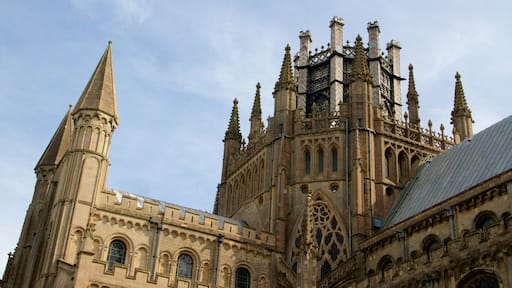
伊里
伯里聖艾德蒙茲
黑弗里爾
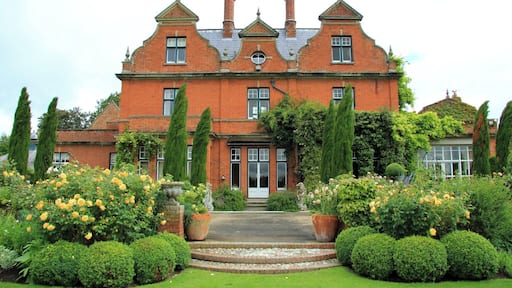
紅色小屋
Jennifer Hamilton-Emery
的相片 (
Creative Commons Attribution-Share Alike 2.0
)
大威柏翰姆
Karen Roe
的相片 (
Creative Commons Attribution 2.0
)
奇盆漢
Expedia App 帶你走得更遠
用 App 預訂可享精選酒店折扣,並賺取雙倍積分。App 除了提供優惠幫你慳住玩,更可以讓你一站式管理行程,去旅行玩得更盡!
使用裝置鏡頭掃描二維碼,即可下載 App
7cd83750-13e8-4b65-a695-865361370ab7
e60ee2bd-97f6-4454-ad56-e76c3dc16f97




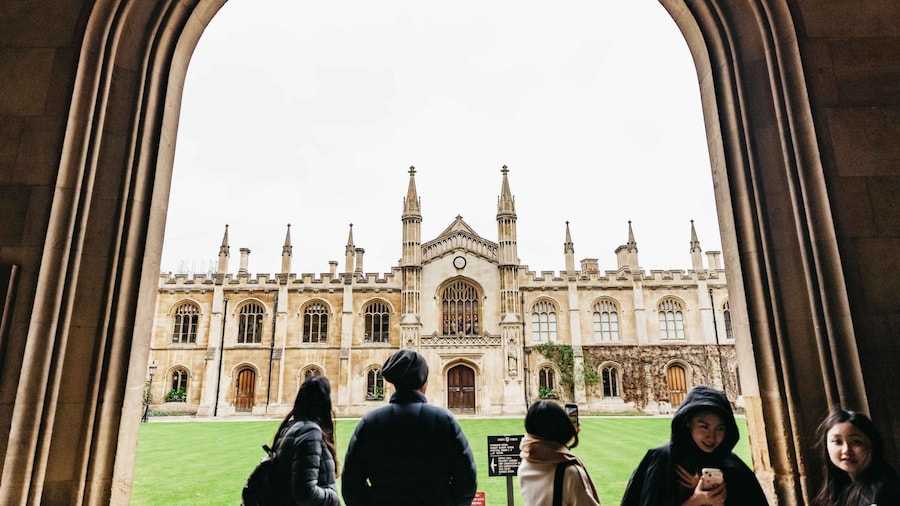
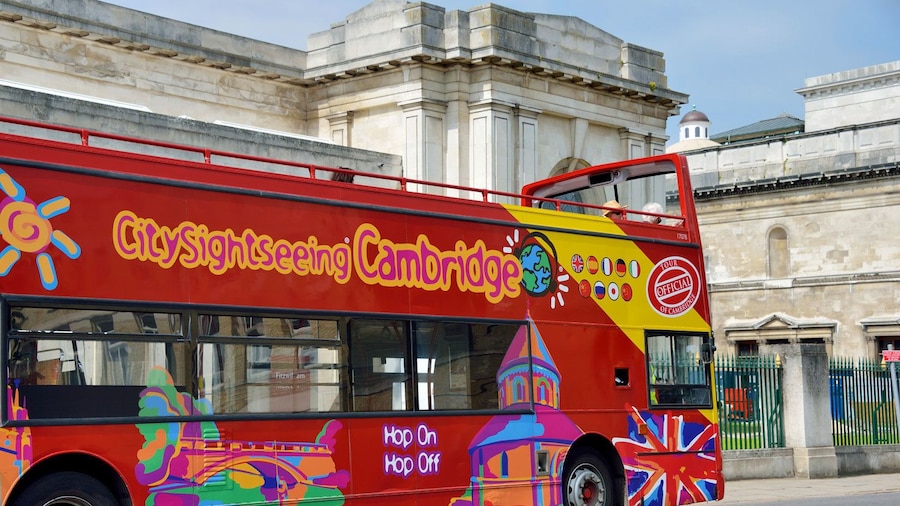


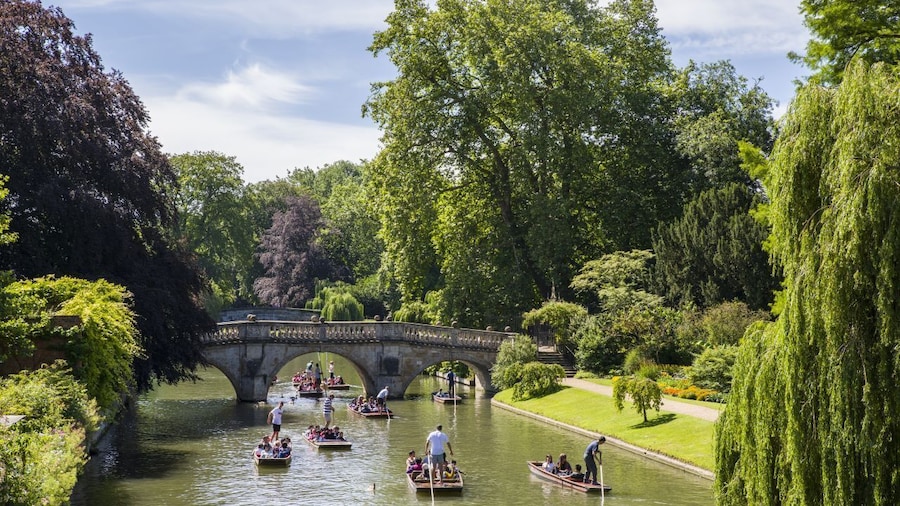


 探索活動由活動和景點以至一日遊和接駁服務,幾千種體驗等你探索。
 輕鬆預訂不用排隊,只需幾分鐘即可在網上預訂熱門景點門票,很多活動還可以免費取消。
 奬勵自己會員預訂活動可慳至少 %。