Things to do in Panamá Province

Activities, attractions and tours

#Panama #Canal 

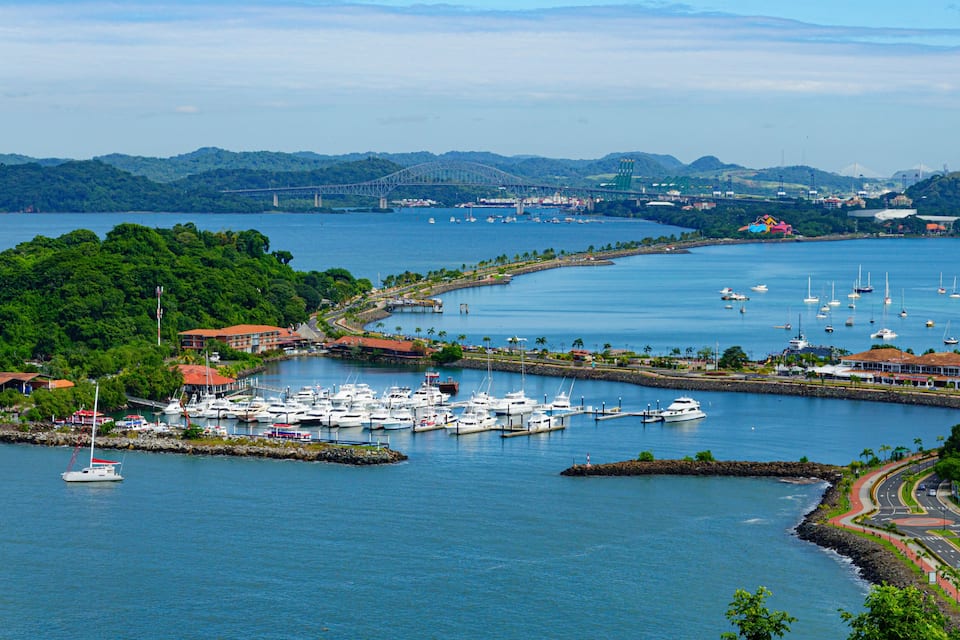
Ponte das Américas
Por volta das 6 da manhã já tínhamos passado o quebra-mar que antecede as Gatun locks. Depois da passagem de alguns navios foi a nossa vez de sermos elevados 26 metros em 3 etapas até ao Gatun Lake. Atravessamos o lago, o Culebra Cut (Canal aberto nas rochas e em forma de cobra com 12,6 Km de comprimento), a Centenial Bridge e chegamos a Pedro Miguel Locks, que tem apenas uma câmera. Aqui descemos 9 metros para o Miraflores Lake. Lago pequeno e logo chegamos às Miraflores Locks. São compostas de 2 câmeras que nos descem até ao nível do Pacífico. Estes locks têm as gates mais altas devido às diferenças entre as marés do Pacífico. Atravessados estes locks chegamos ao Pacífico. Passamos ainda por baixo da ponte das Américas, que é parte da rodovia Pan-americana, que liga o sul da América do sul com o Alasca na América do norte. A travessia toda durou em torno de 9 horas. Durante a travessia os navios são auxiliados por pares de locomotivas. Dependendo do tamanho do navio, podem ser usadas até 8 locomotivas. A água que enche as câmeras, vem do Gatun Lake e são usados 197 milhões de litros de água para cada travessia. Por isso é de suma importância a conservação da floresta tropical em torno do lago. As dimensões máximas permitidas para os navios é 32,31 m de largura, 294,13 m de comprimento e 12,04 m de calado.

Bridge of the Americas
By 6am we had already passed the breakwater that precedes the Gatun locks. After the passage of some ships it was our turn to be lifted 26 meters in 3 steps to Gatun Lake. We cross the lake, the Culebra Cut (Channel open on the rocks and snake-shaped 12.6 km long), the Centenial Bridge and we arrive at Pedro Miguel Locks, which has only one camera. Here we descend 9 meters to the Miraflores Lake. Small lake and soon we arrived at Miraflores Locks. They are composed of 2 cameras that descend us to the level of the Pacific. These locks have the highest gates because of the differences between Pacific tides. Through these locks we reach the Pacific. We still cross under the bridge of the Americas, which is part of the Pan American Highway, which connects southern South America with Alaska in North America. The whole crossing lasted around 9 hours. During the crossing the ships are aided by pairs of locomotives. Depending on the size of the ship, up to 8 locomotives can be used. The water that fills the cameras comes from Gatun Lake and 197 million liters of water are used for each crossing. That is why conservation of the tropical forest around the lake is of paramount importance. The maximum allowable dimensions for ships is 32.31 m wide, 294.13 m long and 12.04 m draft.
#Panama #Canal 

Ponte das Américas
Por volta das 6 da manhã já tínhamos passado o quebra-mar que antecede as Gatun locks. Depois da passagem de alguns navios foi a nossa vez de sermos elevados 26 metros em 3 etapas até ao Gatun Lake. Atravessamos o lago, o Culebra Cut (Canal aberto nas rochas e em forma de cobra com 12,6 Km de comprimento), a Centenial Bridge e chegamos a Pedro Miguel Locks, que tem apenas uma câmera. Aqui descemos 9 metros para o Miraflores Lake. Lago pequeno e logo chegamos às Miraflores Locks. São compostas de 2 câmeras que nos descem até ao nível do Pacífico. Estes locks têm as gates mais altas devido às diferenças entre as marés do Pacífico. Atravessados estes locks chegamos ao Pacífico. Passamos ainda por baixo da ponte das Américas, que é parte da rodovia Pan-americana, que liga o sul da América do sul com o Alasca na América do norte. A travessia toda durou em torno de 9 horas. Durante a travessia os navios são auxiliados por pares de locomotivas. Dependendo do tamanho do navio, podem ser usadas até 8 locomotivas. A água que enche as câmeras, vem do Gatun Lake e são usados 197 milhões de litros de água para cada travessia. Por isso é de suma importância a conservação da floresta tropical em torno do lago. As dimensões máximas permitidas para os navios é 32,31 m de largura, 294,13 m de comprimento e 12,04 m de calado.

Bridge of the Americas
By 6am we had already passed the breakwater that precedes the Gatun locks. After the passage of some ships it was our turn to be lifted 26 meters in 3 steps to Gatun Lake. We cross the lake, the Culebra Cut (Channel open on the rocks and snake-shaped 12.6 km long), the Centenial Bridge and we arrive at Pedro Miguel Locks, which has only one camera. Here we descend 9 meters to the Miraflores Lake. Small lake and soon we arrived at Miraflores Locks. They are composed of 2 cameras that descend us to the level of the Pacific. These locks have the highest gates because of the differences between Pacific tides. Through these locks we reach the Pacific. We still cross under the bridge of the Americas, which is part of the Pan American Highway, which connects southern South America with Alaska in North America. The whole crossing lasted around 9 hours. During the crossing the ships are aided by pairs of locomotives. Depending on the size of the ship, up to 8 locomotives can be used. The water that fills the cameras comes from Gatun Lake and 197 million liters of water are used for each crossing. That is why conservation of the tropical forest around the lake is of paramount importance. The maximum allowable dimensions for ships is 32.31 m wide, 294.13 m long and 12.04 m draft.
#Panama #Canal 

Miraflores locks
Por volta das 6 da manhã já tínhamos passado o quebra-mar que antecede as Gatun locks. Depois da passagem de alguns navios foi a nossa vez de sermos elevados 26 metros em 3 etapas até ao Gatun Lake. Atravessamos o lago, o Culebra Cut (Canal aberto nas rochas e em forma de cobra com 12,6 Km de comprimento), a Centenial Bridge e chegamos a Pedro Miguel Locks, que tem apenas uma câmera. Aqui descemos 9 metros para o Miraflores Lake. Lago pequeno e logo chegamos às Miraflores Locks. São compostas de 2 câmeras que nos descem até ao nível do Pacífico. Estes locks têm as gates mais altas devido às diferenças entre as marés do Pacífico. Atravessados estes locks chegamos ao Pacífico. Passamos ainda por baixo da ponte das Américas, que é parte da rodovia Pan-americana, que liga o sul da América do sul com o Alasca na América do norte. A travessia toda durou em torno de 9 horas. Durante a travessia os navios são auxiliados por pares de locomotivas. Dependendo do tamanho do navio, podem ser usadas até 8 locomotivas. A água que enche as câmeras, vem do Gatun Lake e são usados 197 milhões de litros de água para cada travessia. Por isso é de suma importância a conservação da floresta tropical em torno do lago. As dimensões máximas permitidas para os navios é 32,31 m de largura, 294,13 m de comprimento e 12,04 m de calado.

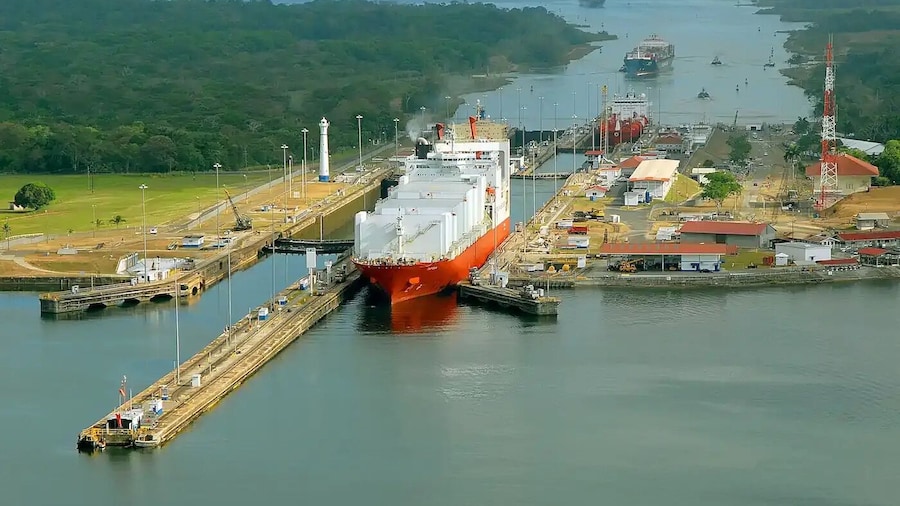
Miraflores locks
By 6am we had already passed the breakwater that precedes the Gatun locks. After the passage of some ships it was our turn to be lifted 26 meters in 3 steps to Gatun Lake. We cross the lake, the Culebra Cut (Channel open on the rocks and snake-shaped 12.6 km long), the Centenial Bridge and we arrive at Pedro Miguel Locks, which has only one camera. Here we descend 9 meters to the Miraflores Lake. Small lake and soon we arrived at Miraflores Locks. They are composed of 2 cameras that descend us to the level of the Pacific. These locks have the highest gates because of the differences between Pacific tides. Through these locks we reach the Pacific. We still cross under the bridge of the Americas, which is part of the Pan American Highway, which connects southern South America with Alaska in North America. The whole crossing lasted around 9 hours. During the crossing the ships are aided by pairs of locomotives. Depending on the size of the ship, up to 8 locomotives can be used. The water that fills the cameras comes from Gatun Lake and 197 million liters of water are used for each crossing. That is why conservation of the tropical forest around the lake is of paramount importance. The maximum allowable dimensions for ships is 32.31 m wide, 294.13 m long and 12.04 m draft.
#Panama #Canal 

Miraflores locks
Por volta das 6 da manhã já tínhamos passado o quebra-mar que antecede as Gatun locks. Depois da passagem de alguns navios foi a nossa vez de sermos elevados 26 metros em 3 etapas até ao Gatun Lake. Atravessamos o lago, o Culebra Cut (Canal aberto nas rochas e em forma de cobra com 12,6 Km de comprimento), a Centenial Bridge e chegamos a Pedro Miguel Locks, que tem apenas uma câmera. Aqui descemos 9 metros para o Miraflores Lake. Lago pequeno e logo chegamos às Miraflores Locks. São compostas de 2 câmeras que nos descem até ao nível do Pacífico. Estes locks têm as gates mais altas devido às diferenças entre as marés do Pacífico. Atravessados estes locks chegamos ao Pacífico. Passamos ainda por baixo da ponte das Américas, que é parte da rodovia Pan-americana, que liga o sul da América do sul com o Alasca na América do norte. A travessia toda durou em torno de 9 horas. Durante a travessia os navios são auxiliados por pares de locomotivas. Dependendo do tamanho do navio, podem ser usadas até 8 locomotivas. A água que enche as câmeras, vem do Gatun Lake e são usados 197 milhões de litros de água para cada travessia. Por isso é de suma importância a conservação da floresta tropical em torno do lago. As dimensões máximas permitidas para os navios é 32,31 m de largura, 294,13 m de comprimento e 12,04 m de calado.

Miraflores locks
By 6am we had already passed the breakwater that precedes the Gatun locks. After the passage of some ships it was our turn to be lifted 26 meters in 3 steps to Gatun Lake. We cross the lake, the Culebra Cut (Channel open on the rocks and snake-shaped 12.6 km long), the Centenial Bridge and we arrive at Pedro Miguel Locks, which has only one camera. Here we descend 9 meters to the Miraflores Lake. Small lake and soon we arrived at Miraflores Locks. They are composed of 2 cameras that descend us to the level of the Pacific. These locks have the highest gates because of the differences between Pacific tides. Through these locks we reach the Pacific. We still cross under the bridge of the Americas, which is part of the Pan American Highway, which connects southern South America with Alaska in North America. The whole crossing lasted around 9 hours. During the crossing the ships are aided by pairs of locomotives. Depending on the size of the ship, up to 8 locomotives can be used. The water that fills the cameras comes from Gatun Lake and 197 million liters of water are used for each crossing. That is why conservation of the tropical forest around the lake is of paramount importance. The maximum allowable dimensions for ships is 32.31 m wide, 294.13 m long and 12.04 m draft.
The buses of Panama.

  • find price illustration

    Explore activities

    Explore thousands of experiences from activities and attractions to day tours and transfer.
  • calendar shield illustration

    Book with ease

    Skip the line- book tickets online in minutes to top attractions with free cancellation on many activities.
  • trophy illustration

    Treat yourself

    Members save % or more when you book activities.

What to do in Panamá Province


Popular places to visit

Areas of Panamá Province

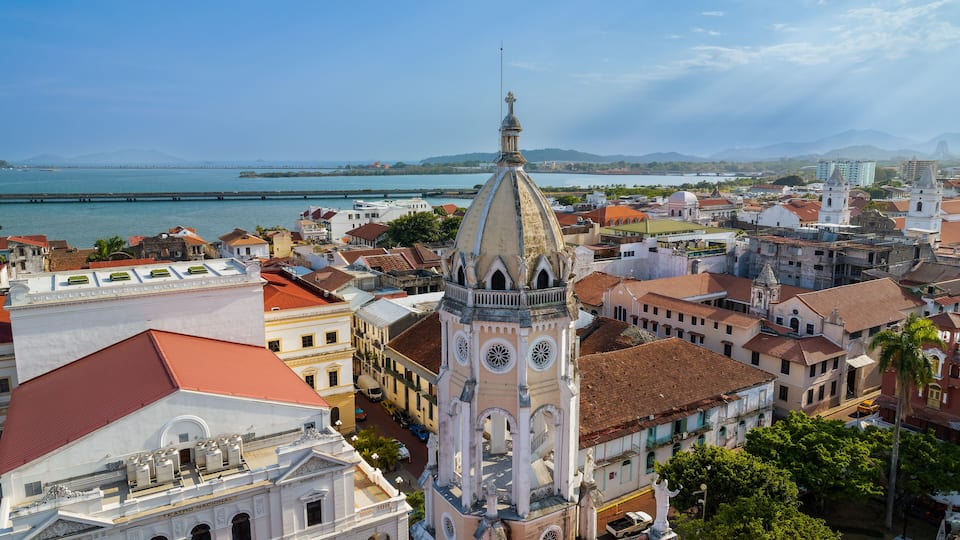
View of the Panama City Old Town

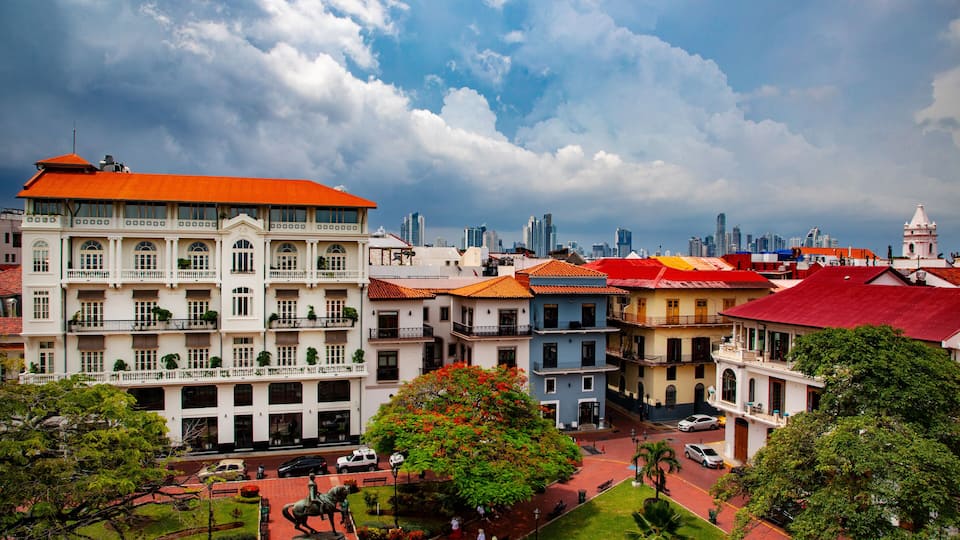
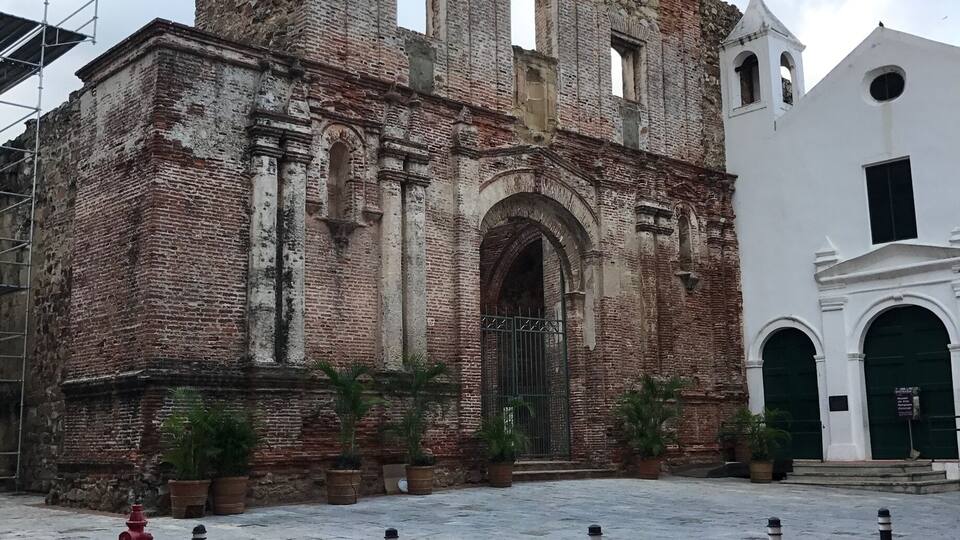
Casco Viejo

3.5/5(3 area reviews)

Unique features of Casco Viejo include the historical sites and bars. Make a stop by Independence Square or Interoceanic Canal Museum while you're exploring the area.

Casco Viejo
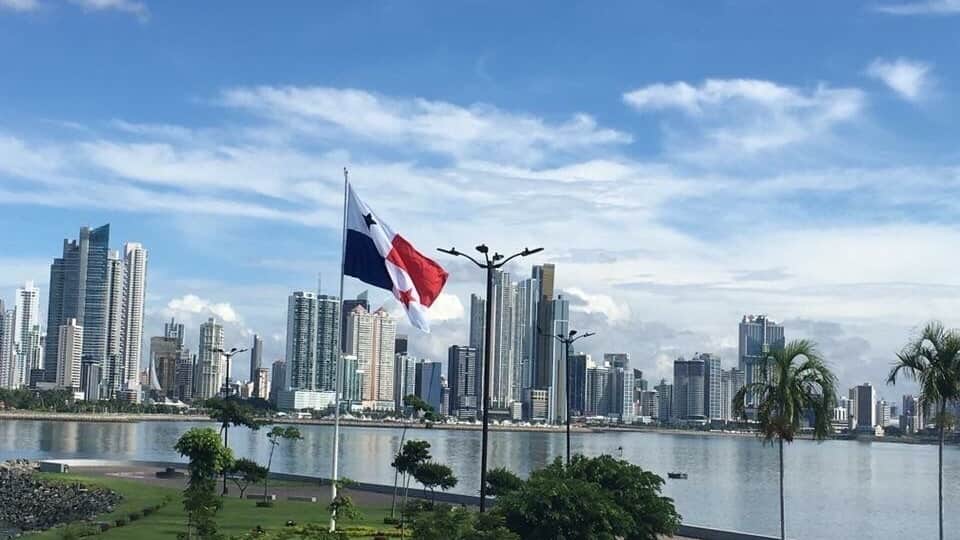
Summer time in Panama City, blue sky and sunny days to enjoy this city. #lifeatexpedia #PanamaCity #travel

Bella Vista

Travellers love Bella Vista for its popular shops, and you can see more of Panama City by jumping on the metro at Iglesia del Carmen Station or Vía Argentina. You might spend time checking out top sights like Via Espana and Crown Casino.

Bella Vista
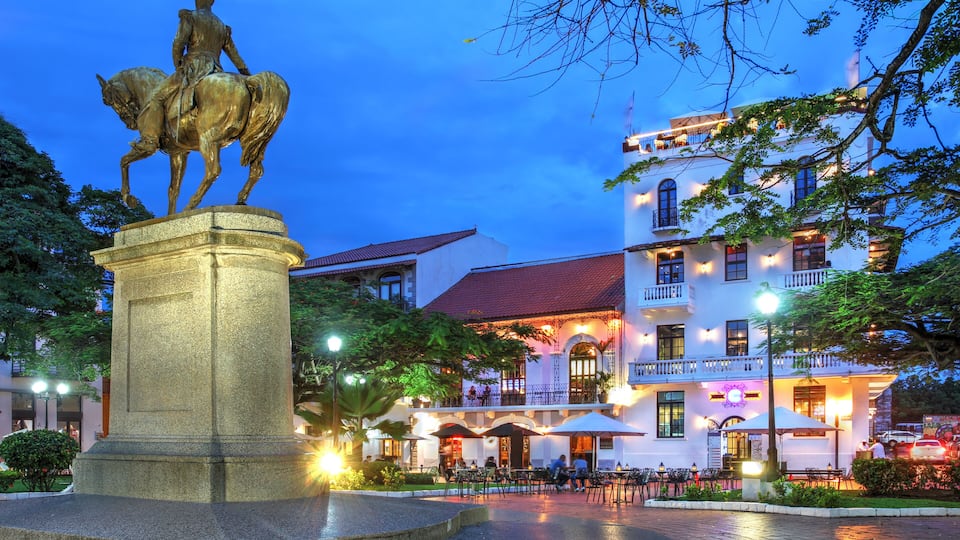
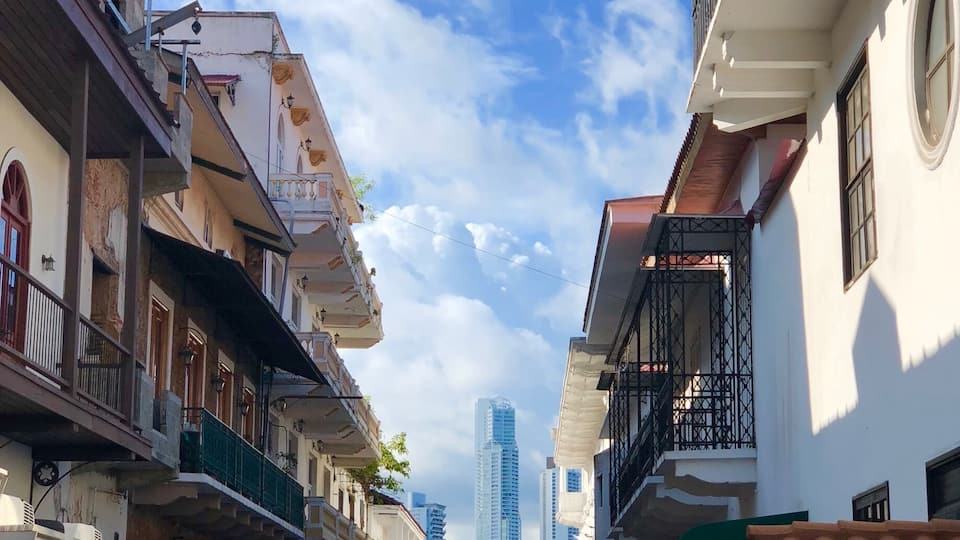
Panama City Old Town streets and buildings

El Cangrejo

4/5(5 area reviews)

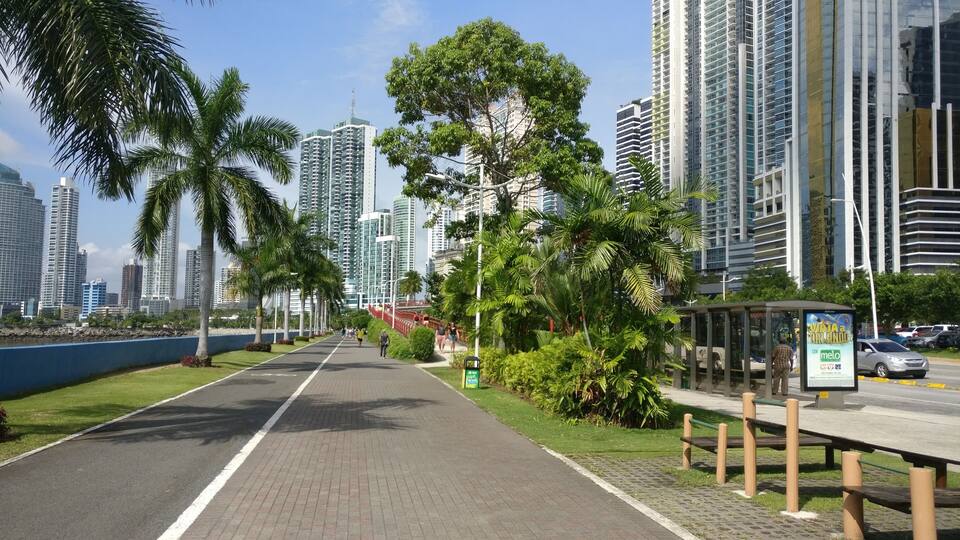
The ample dining options and casino gaming are top of the list for many visitors to El Cangrejo. A stop by Crown Casino or Luxor Towers might round out your trip.

El Cangrejo
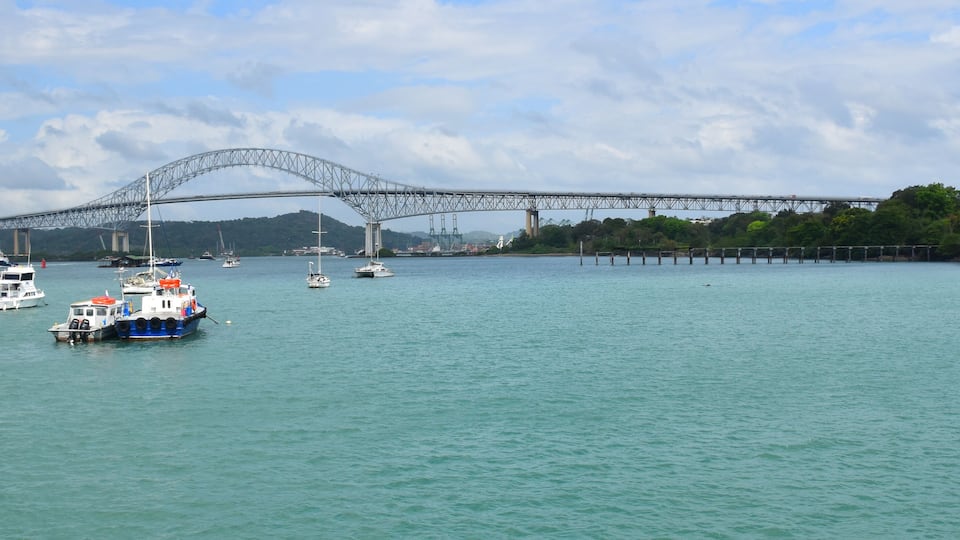
The Bridge of the Americas in summer, Panama City

San Francisco

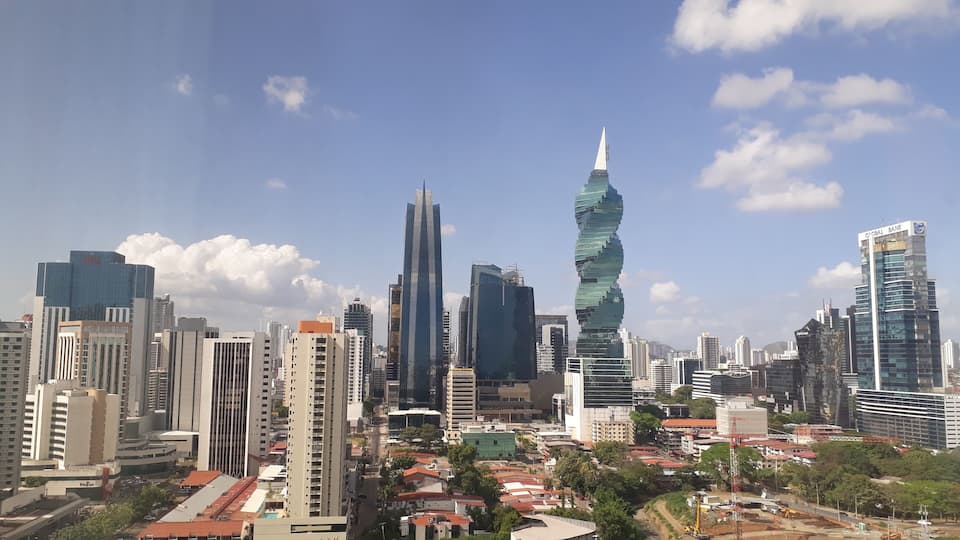
San Francisco is noteworthy for its restaurants, and you can make a stop at top attractions like Multiplaza Pacific Mall and Calle 50.

San Francisco
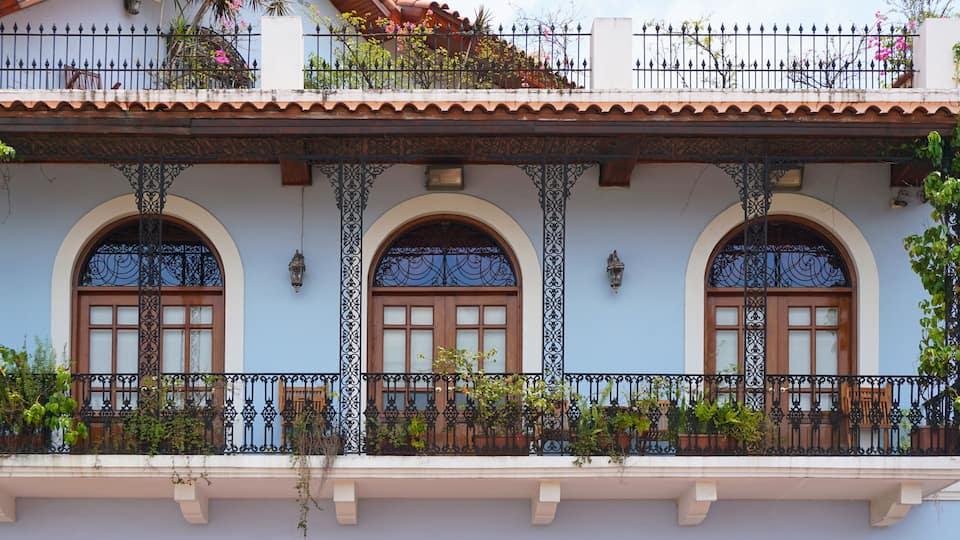
Balcony of a colonial house, Casco Viejo, Panama City, Panama, Central America

San Felipe

While visiting San Felipe, you might make a stop by sights like Independence Square and Interoceanic Canal Museum.

San Felipe
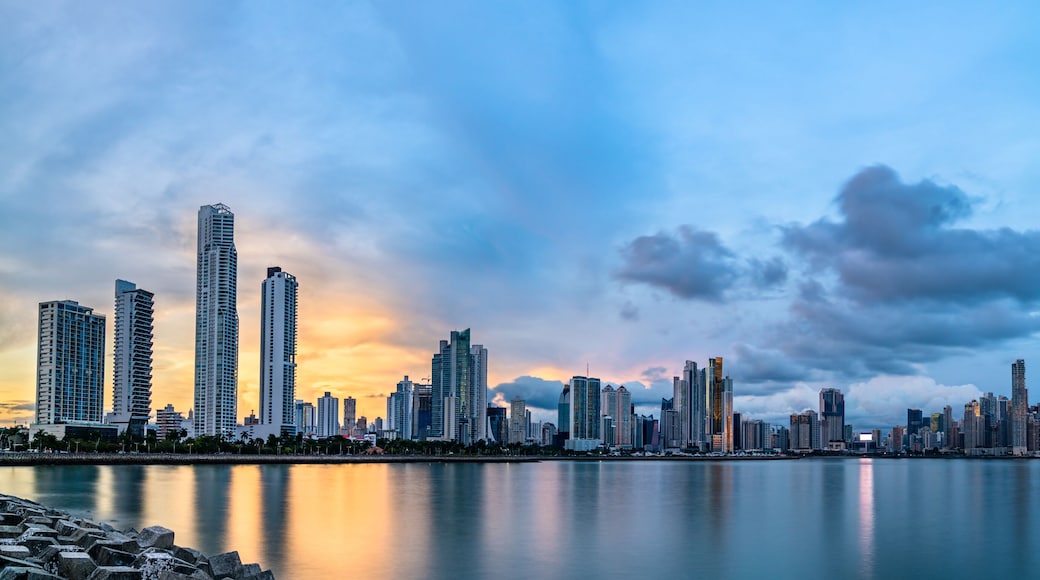
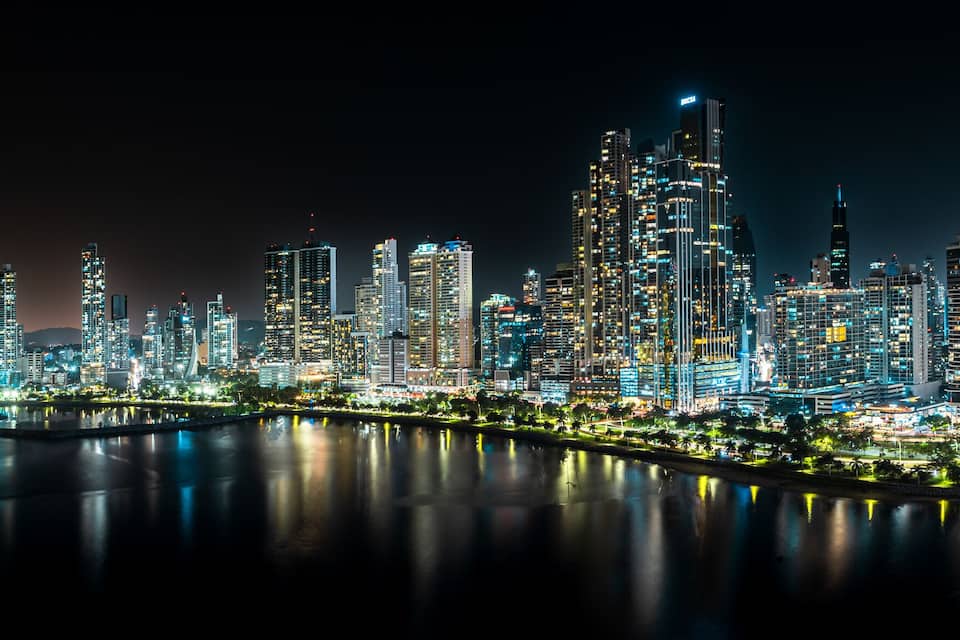
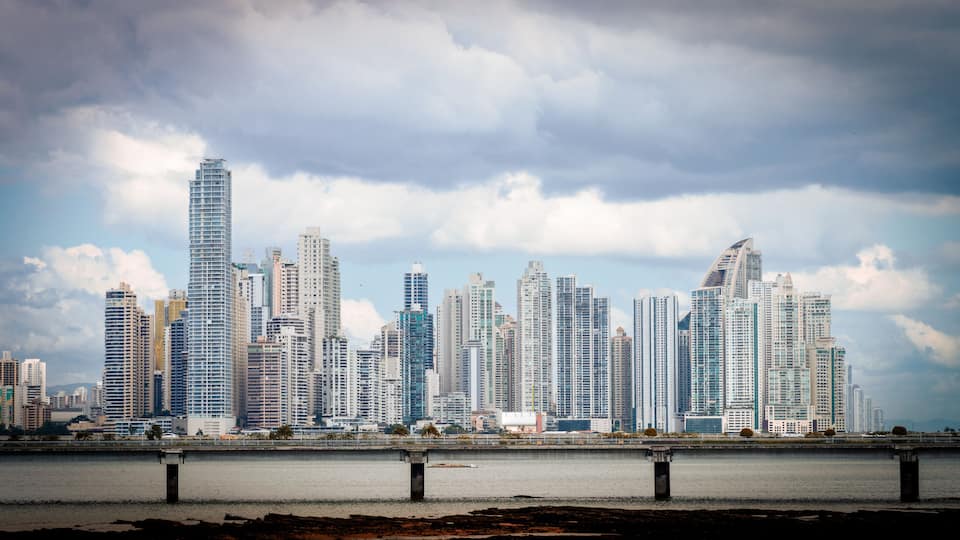
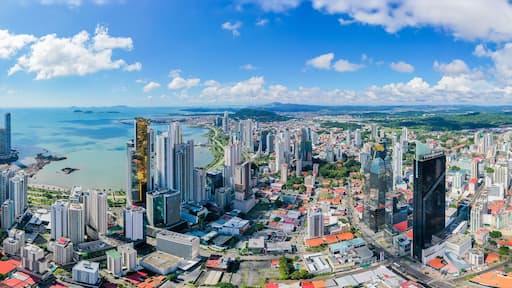
 sunset sky above Panama City -  cityscape panorama view

Punta Paitilla

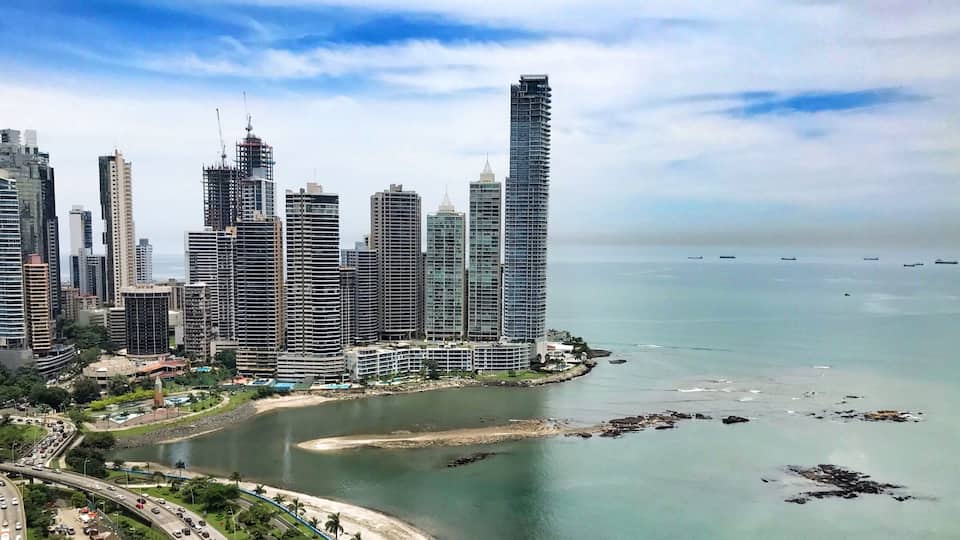
Punta Paitilla is known for its abundant dining options, and you can plan a trip to Avenida Balboa and Multicentro Panama while you're in town.

Punta Paitilla