
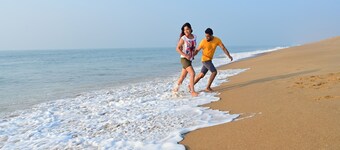
Ramchandi Beach
Visit Ramchandi Beach
Things to do

Half Day -Private Tour: Konark Temple , Dhauli Stupa & Beach
HK$205
per adult

Private Konark Sun Temple Tour with Augmented Reality Experience
HK$1,177
per adult

Puri: Chilika Lake Boat Trip with Dolphin Spotting
HK$4,913
per adult

One-Day Cultural & Nature Tour: Jeypore & Koraput
HK$655
per adult

Konark: Sun Temple Private Tour with AR Experience
HK$1,044
per adult

Spiritual Jagannath Puri Temple 2-Day Tour
HK$3,685
per adult
Stay near popular Ramchandi Beach attractions
Top Ramchandi Beach Hotel Deals

Lotus an Eco Resort Konark
Near Ramachandi Temple Gop Odisha

Park Inn & Suites By Radisson, Puri
Plot No-210/309, SCS Nagar, VIP Road, Bankimuhan Puri Odisha

Toshali Sands Puri
Marine Drive Puri Odisha
Toshali Sands Nature Escape
Puri-Konark Marine Drive Puri Odisha

Hotel Sea Forest
Plot No 1129/5095 Puri OD

Swosti Premium Beach Resorts Puri
New Marine Drive Rd, Sipasarubali Brahmagiri Odisha

Chanakya BNR hotel
Chakra Tirtha Rd Puri OD

Hotel GR Palace - Sea View & Pool
New Marine Drive Rd Bali Sahi Puri Odisha

MAYFAIR Heritage, Puri
Chakratirtha Road Puri Orissa
Lowest nightly price found within the past 24 hours based on a 1 night stay for 2 adults. Prices and availability subject to change. Additional terms may apply.
Explore a world of travel with Expedia
- Hotels near Jagannath Temple
- Oyo Rooms Hotels in Puri
- Hotels near Konark Sun Temple
- Hotels near Konark Beach
- 4 Star Hotels in Puri
- Puri Hotels
- Hotels near Lingaraj Temple
- Hotels near Puri Beach
- Hotels near Ocean World Water Park
- Hotels near Biju Patnaik
- Konark Hotels
- Adventure Sport Hotel Hotels in Puri
- Odisha Hotels