Things to do in Special Region of Yogyakarta
Activities, attractions and tours
Visit Special Region of Yogyakarta


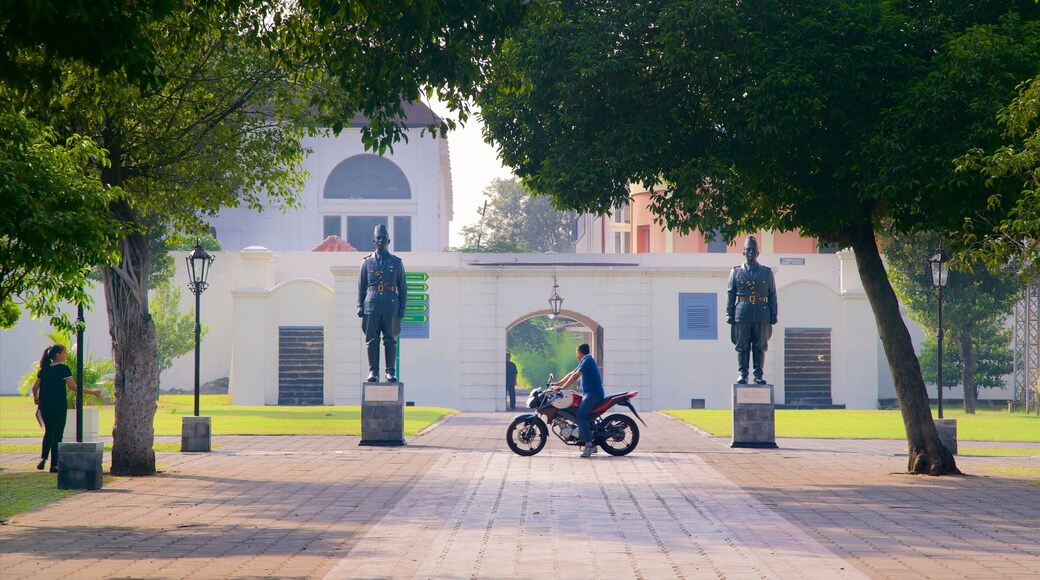
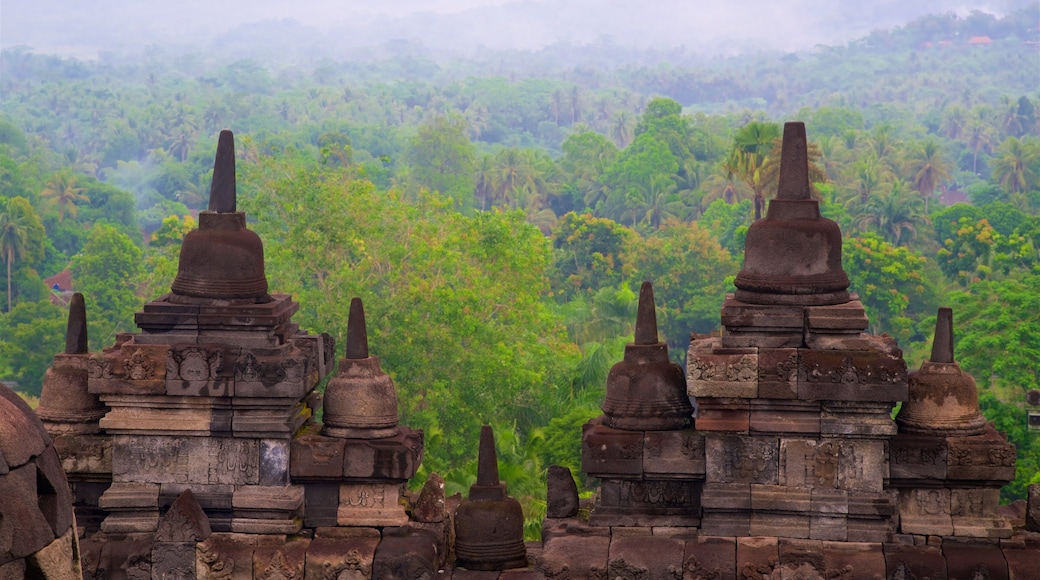

Things to do

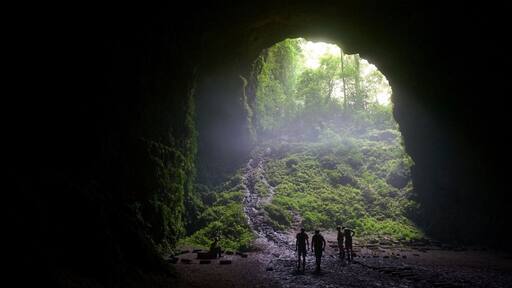
Yogyakarta Jomblang, Pindul Cave & River Tubing Tour with lunch
HK$260
per adult

Guaranteed Borobudur Climb & Prambanan Tour All Inclusive
HK$283
per adult
100% of travellers recommend

Borobudur Sunrise at Temple Tour With Luxury Breakfast Included
HK$312
per adult

Yogyakarta: Jomblang Cave and Pindul Cave adventure Trip
HK$281
per adult
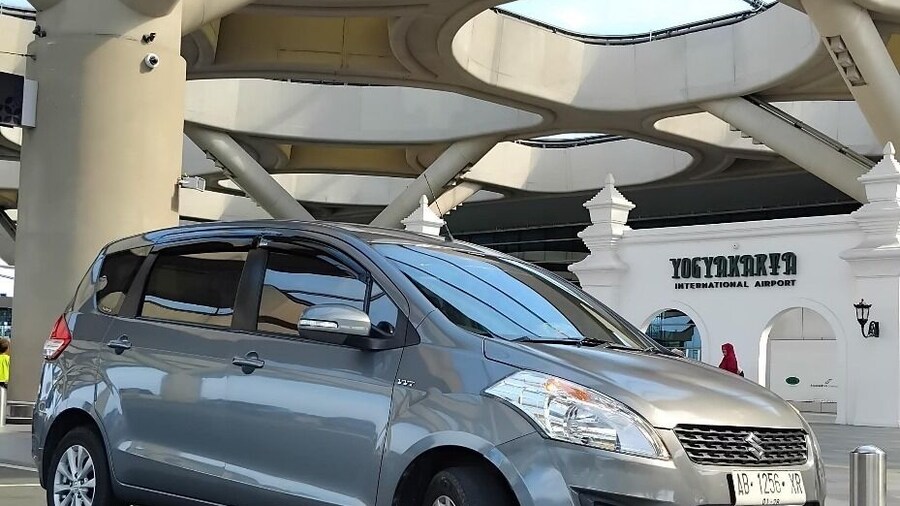
Yogyakarta Airport Transfer from/to Yogyakarta International Airport (YIA)
HK$81
per traveller

Borobudur Sunrise Chicken Church and Prambanan Tour
HK$199
per adult

Borobudur Structure, Sunrise Stumbu & Prambanan.
HK$332
per adult

Yogyakarta:Ancient Volcano Trek, Cave Tubing & Temple Sunset
HK$124
per adult

 Explore activitiesExplore thousands of experiences from activities and attractions to day tours and transfer.
 Book with easeSkip the line- book tickets online in minutes to top attractions with free cancellation on many activities.
 Treat yourselfMembers save % or more when you book activities.
What to do in Special Region of Yogyakarta
Stay near popular Special Region of Yogyakarta attractions
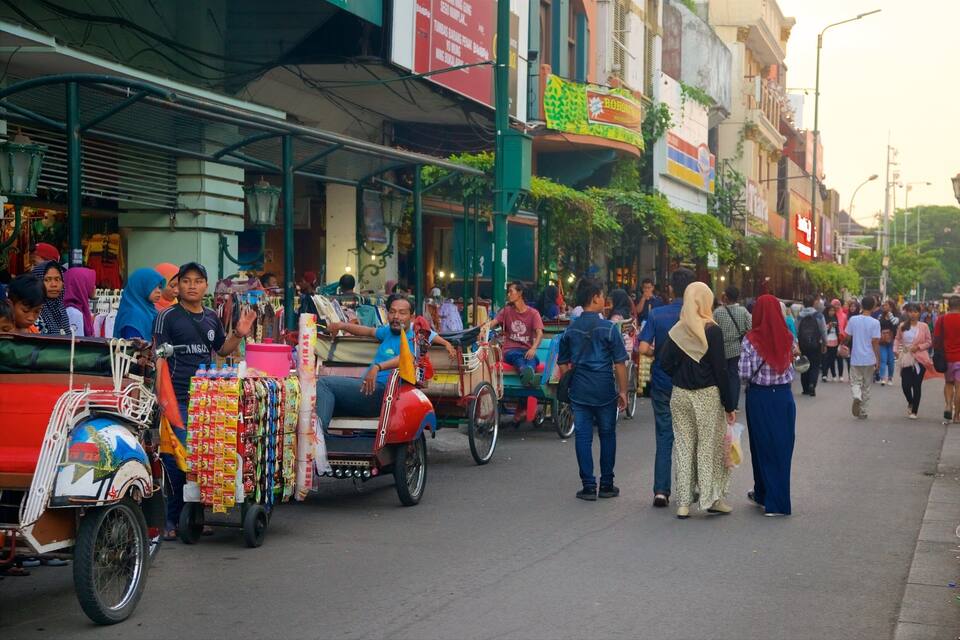
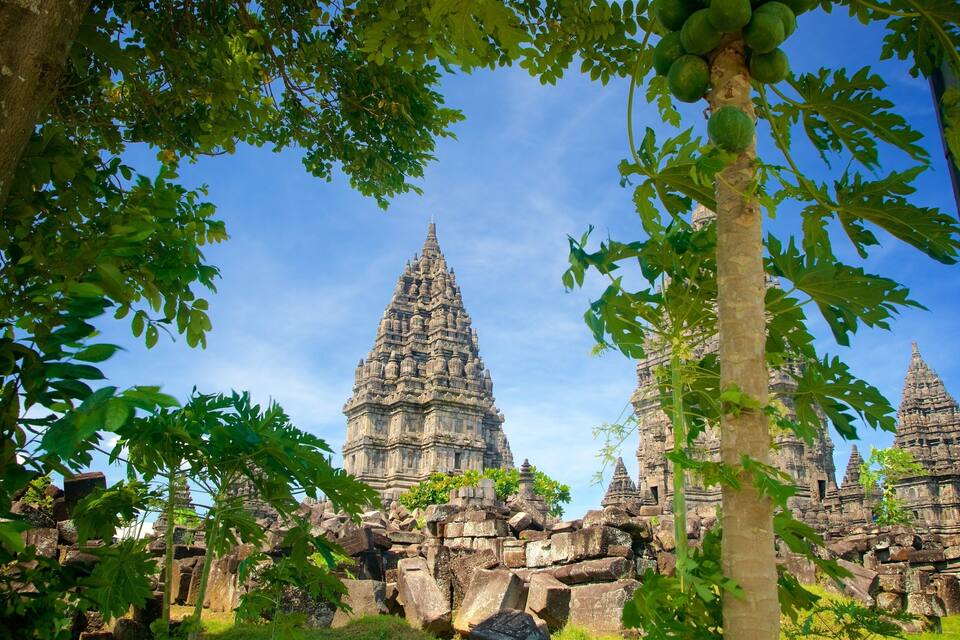

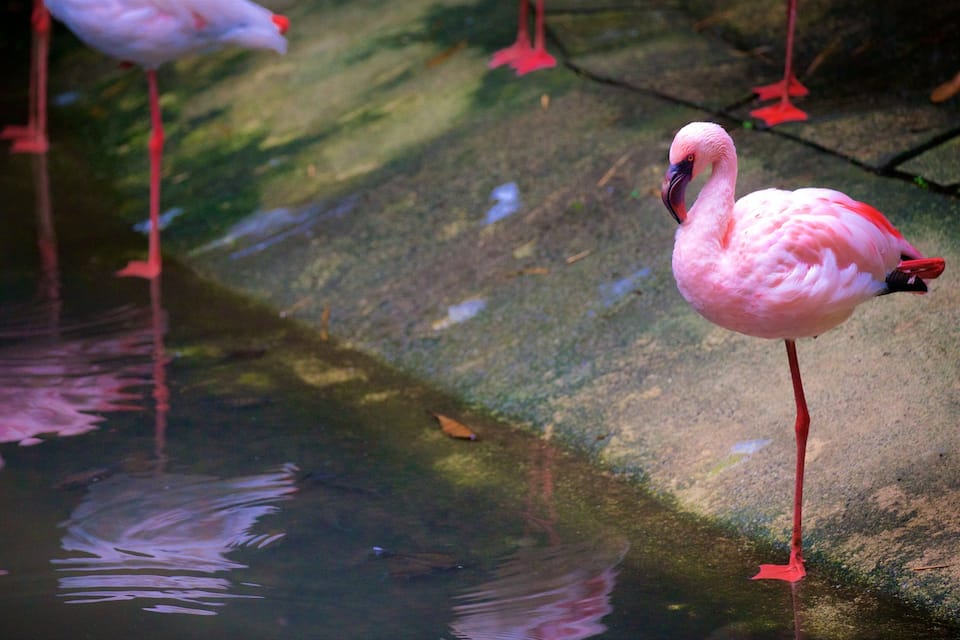
Where to stay in Special Region of Yogyakarta
Find the best Special Region of Yogyakarta areas for the activities you enjoy most. Learn more about Special Region of Yogyakarta
Learn more about Special Region of Yogyakarta
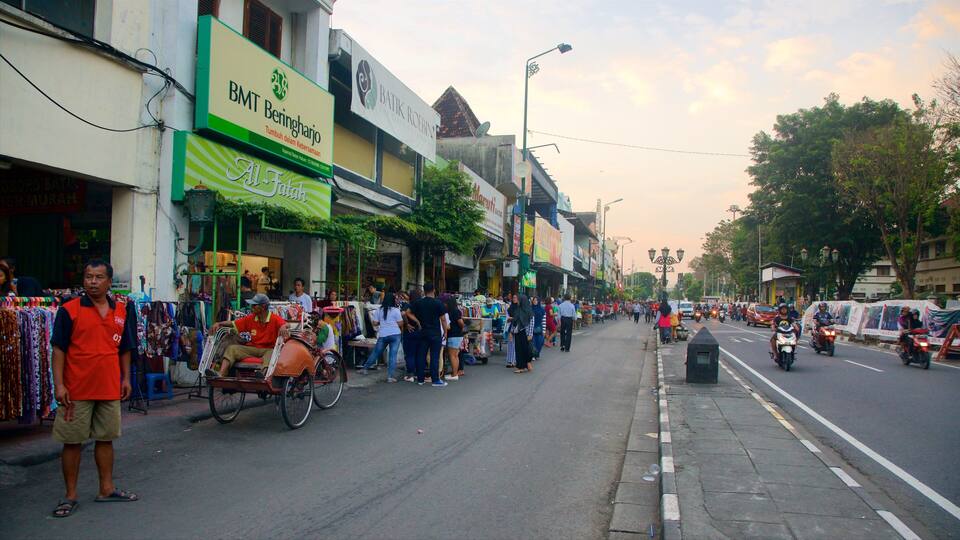

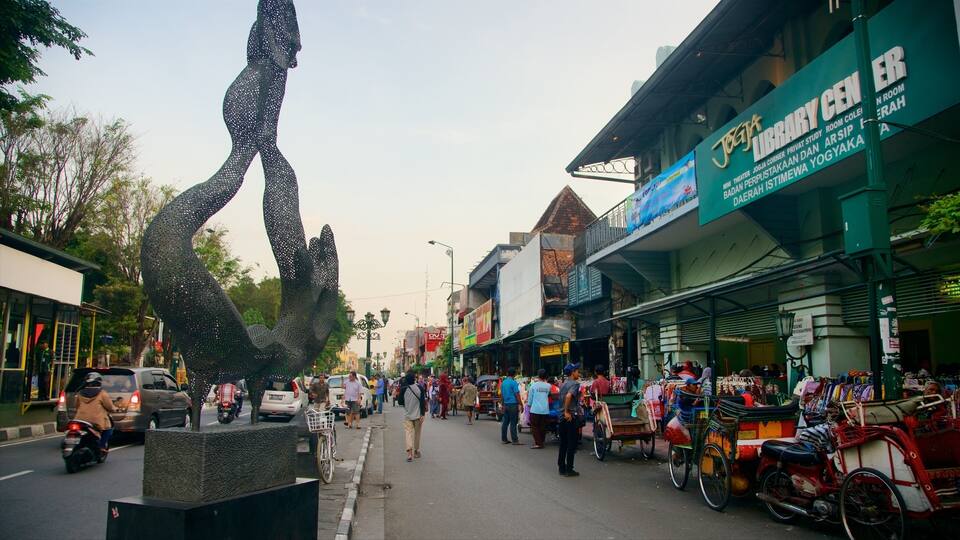
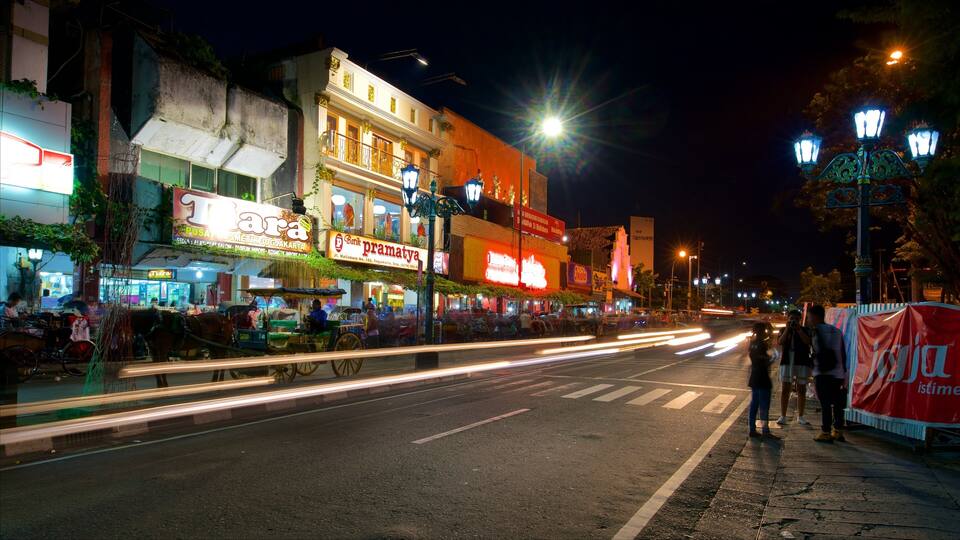
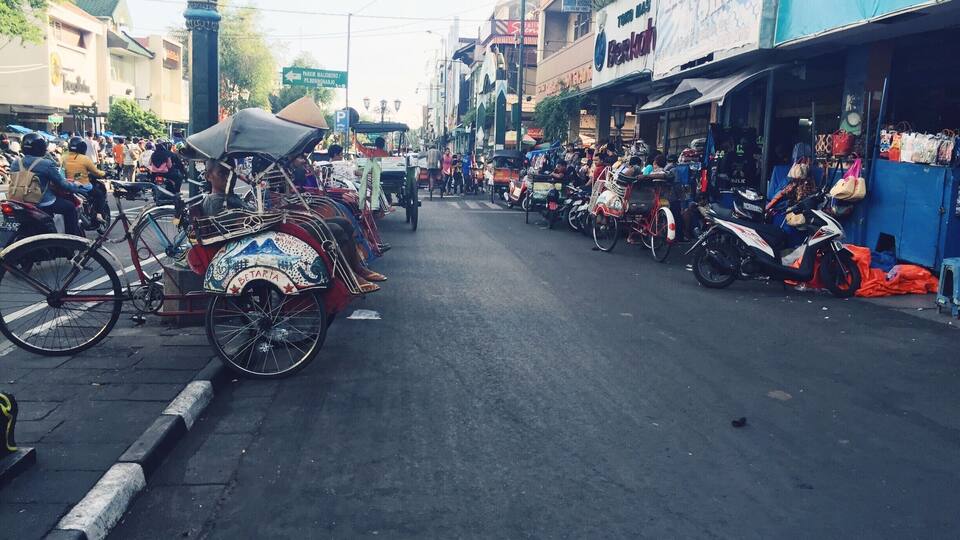
Malioboro
You'll enjoy the museums and monuments in Malioboro. You might want to make time for a stop at Malioboro Mall or Pasar Beringharjo.

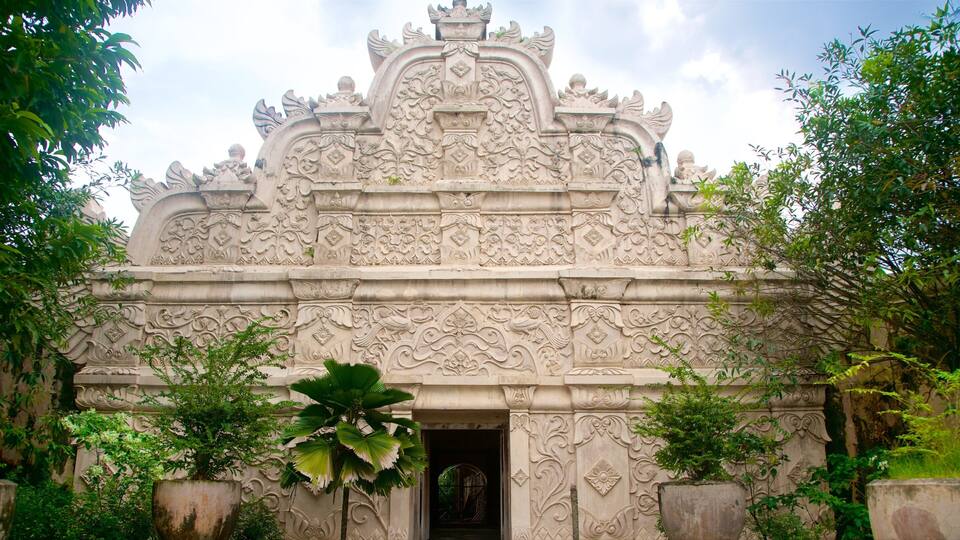
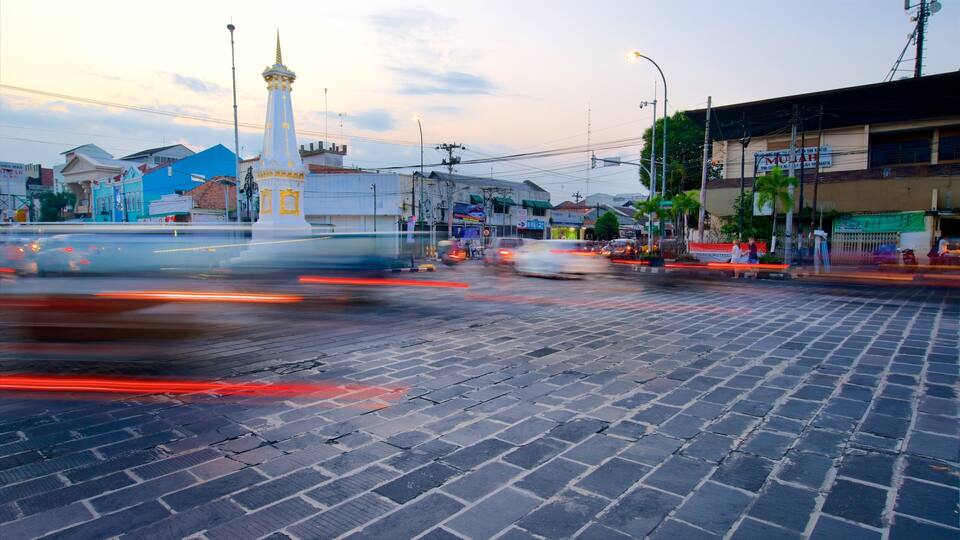

Central Yogyakarta
Central Yogyakarta is noteworthy for its historical sites, and you can make a stop at top attractions like Pasar Beringharjo and Fort Vredeburg Museum.

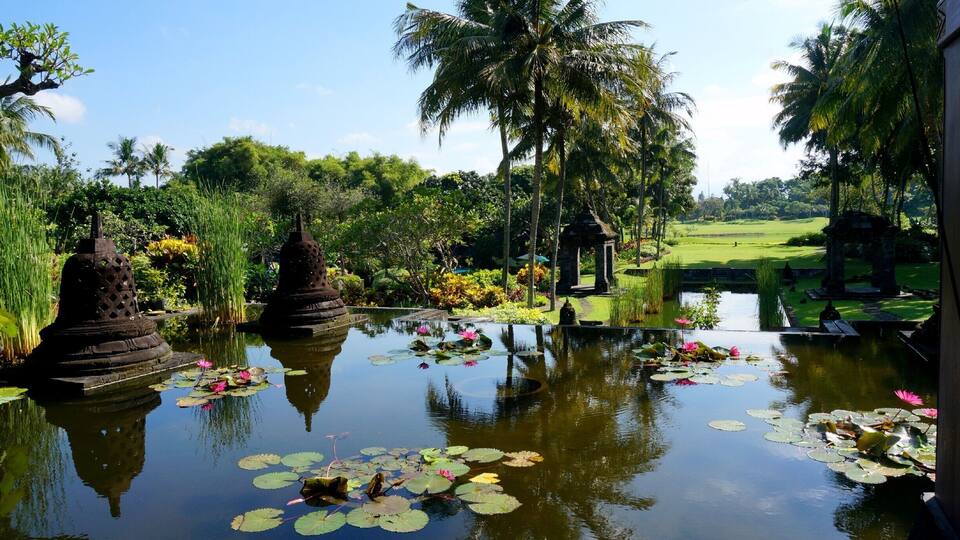
Mlati
Gardens, golf courses and restaurants highlight some of the notable features of Mlati. Make a stop by Taman Pelangi while you're exploring.
Kampung Ketandan
While Kampung Ketandan may not have many sights to explore, venturing just a little farther will lead you to top things to see and do like Pasar Beringharjo and Fort Vredeburg Museum.
Prawirotaman
If you're spending some time in Prawirotaman, Batik Plentong and Lana Gallery are top sights worth seeing.