

巴尔德顿

旅行指南

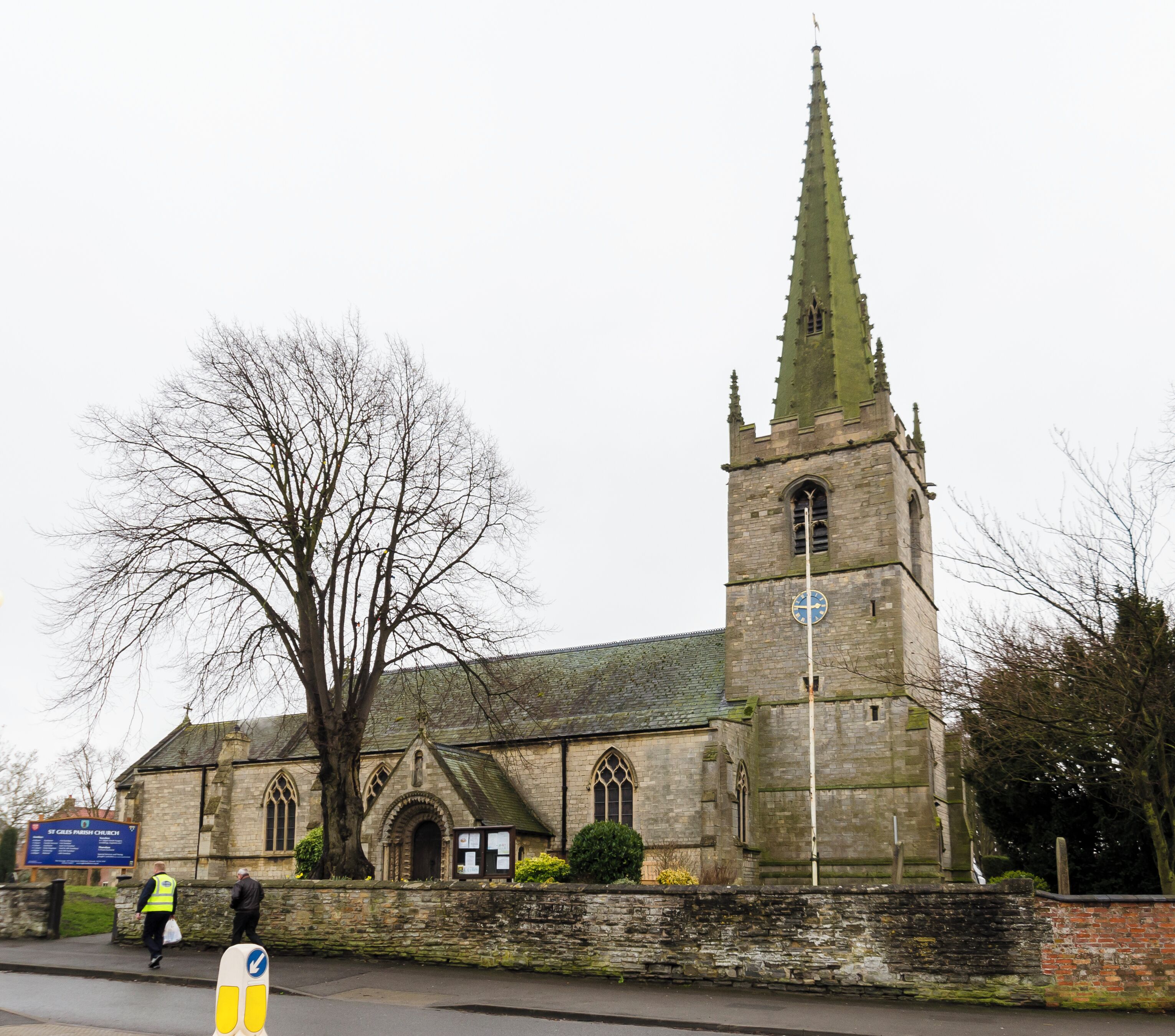
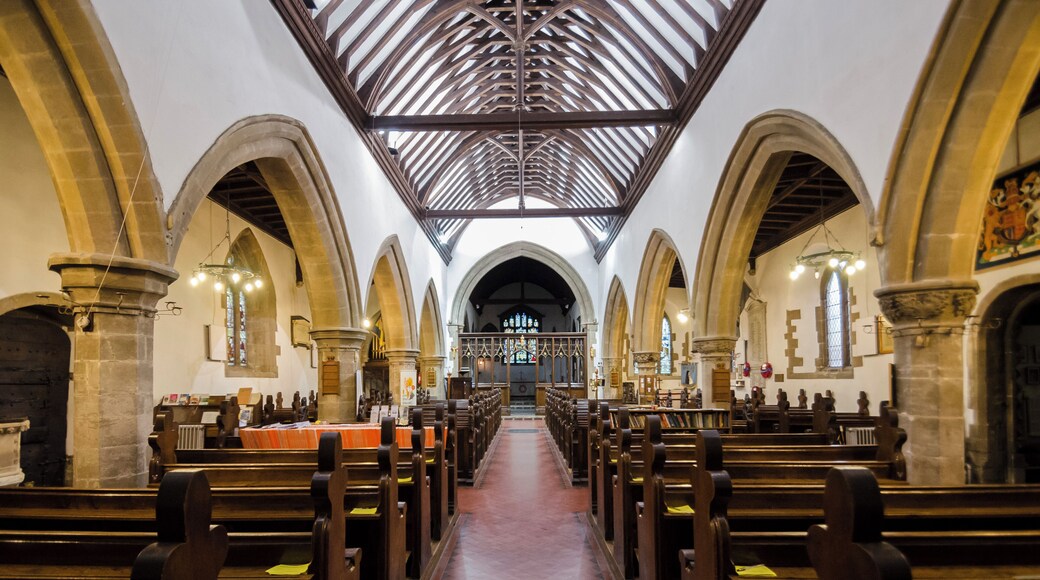
Balderton dates back to Saxon times, and it is known that Lady Godiver the wife of Earl Leofric had property nearby. In the past the Great North Road from London to York passed through the village. There is no trace of an original Saxon church, although one probably existed. The church dates from the 12th century when a simple building, some of which still remains in the nave, was constructed. The north and south doorways still retain Norman arches with zigzag patterning (although both have been moved from their original position). The church consists of a tower with spire, nave with north and south aisles, north and south porches, and a chancel with north Chapel which houses the organ. The tower dates from the 13th century and is of three stages. It was encased in ashlar in the 1880s. The top is embattled with pinnacles and gargoyles. The spire dates from circa 1400 and is crocketted with lucarnes. There are 8 bells. The nave has four bay arcades with octagonal piers. In the 13th century the north aisle was added and a larger chancel was built. Shortly after, the nave was extended westward, and the building of the tower commenced, this was delayed by the Black Death of 1347. The south aisle was added in the 14th century. The font also dates from this time. It is octagonal, with ball flower ornamentation. Around this time a clerestory was added, which was later removed in Victorian times. The screen dates from the 15th century and it was originally brightly painted and had panels of Biblical scenes. Evidence of the stonework supporting the rood loft was removed during restoration in 1882. In the late 15th century the pews were installed. These have carved poppy heads depicting animals and other figures, one man is playing Lincolnshire bagpipes. There are also undecorated 19th-century pews. The pulpit is from around 1475 and was previously on the south side of the chancel arch but was moved in 1882. The north door with its wicket is of the same 15th century period. The Victorian restoration of the church took place in 1882, when the nave roof was altered and the clerestory removed. The chancel roof had already been replaced in 1850, and additional pews were installed. The north porch was rebuilt incorporating the Norman arch. In 1929 cracks were found in the tower wall and major repairs to the foundations were undertaken. A new vestry was constructed in 1964 on the south side of the church. In 1983 the chancel was encased in Ancaster stone, matching the rest of the church. There are several 19th-century stained-glass windows and some reset fragments of 15th century glass which were found in the churchyard.
Balderton Lake. Former gravel pit that at one time used to be twice the size. But like most areas half has been infilled for new housing.
果园餐厅酒店

果园餐厅酒店

4 out of 5
Beeston Lane, University Park Nottingham England
入住诺丁汉的这家商务便利酒店。客人可使用免费停车设施、屋顶露台和早餐。我们的住客在点评中表扬了早餐和乐于助人的员工。附近有热门景点诺丁汉莫特波恩特竞技场和湖滨艺术中心。
9.2/10 Wonderful! (1,356 条点评)
tidy and clean

点评日期:2025 年 9 月 27 日

果园餐厅酒店
希尔顿逸林诺丁汉门户酒店

希尔顿逸林诺丁汉门户酒店

4 out of 5
Nuthall Road Nottingham England
2月22日到 2月23日的每晚价格 HK$673
HK$673
总价 HK$807
2 月 22 日 - 2 月 23 日
包含税费
入住诺丁汉的这家商务便利酒店。客人可使用免费 WiFi、免费停车设施和早餐。我们的住客在点评中表扬了乐于助人的员工。附近有热门景点诺丁汉莫特波恩特竞技场和布威尔森林高尔夫俱乐部。
8.8/10 Excellent! (1,006 条点评)
很差勁的體驗,房間殘舊,有臭味,燈光昏暗,光線不足。床褥有蟲咬的感覺,一整晚都很癢。 不敢相信這個價格,房間內居然沒有拖鞋及水提供! 而且浴室裡的花灑是壞的,房間地墊十分髒,梳化也很髒,眼睛可見除處都是食物碎屑,令人作嘔,房間充滿臭味,這一晚是惡夢的一晚

点评日期:2024 年 4 月 3 日

希尔顿逸林诺丁汉门户酒店
圣詹姆斯酒店 - 贝斯特韦斯特优质精选

圣詹姆斯酒店 - 贝斯特韦斯特优质精选

4 out of 5
Rutland Street Nottingham England
3月1日到 3月2日的每晚价格 HK$560
HK$560
总价 HK$672
3 月 1 日 - 3 月 2 日
包含税费
入住诺丁汉的这家酒店。客人可使用免费 WiFi、早餐和24 小时客房送餐服务。我们的住客在点评中表扬了早餐和乐于助人的员工。附近有热门景点诺丁汉莫特波恩特竞技场和莫蒂默的洞。
8.6/10 Excellent! (1,003 条点评)
酒店非常好,設施佈置很細心,位置是靜中帶旺,員工十分友善,距離 old market town 電車站大約步行十分鐘,附近有很多 cafe 及餐廳。

点评日期:2026 年 2 月 5 日

圣詹姆斯酒店 - 贝斯特韦斯特优质精选
基于过去 24 小时内找到的、2 位成人 1 晚住宿的每晚最低价格。价格和供应情况可能会有所变动。可能需遵守其他条款。
诺丁汉市罗姆斯酒店

诺丁汉市罗姆斯酒店

4 out of 5
Stanley Place Nottingham England
入住诺丁汉的这家公寓酒店。客人可使用免费 WiFi、店内停车场和24 小时前台服务。我们的住客在点评中表扬了乐于助人的员工和干净的客房。附近有热门景点诺丁汉莫特波恩特竞技场和诺丁汉摇滚城。
9.2/10 Wonderful! (893 条点评)
整休尚可,唯一不好是花灑不可移动,玻璃屏太短
離火車站约步行20分钟,整体感觉尚可,厨房有基本厨具用品,洗衣房可免费洗衣,但洗衣液要自備。 早歺提供有牛角包,咖啡和朱古力。 唯一不好的是沖凉要小心一点,花灑不可移动,而且玻璃屏阔度只有浴室阔度⅓,沖完凉後淺了一地都是水。

点评日期:2024 年 3 月 26 日

诺丁汉市罗姆斯酒店
诺丁汉河之客房酒店

诺丁汉河之客房酒店

2 out of 5
4-6 Radcliffe Road Nottingham England
入住诺丁汉的这家公寓。客人可使用免费停车设施、洗衣设施和电脑站点。附近有热门景点诺丁汉莫特波恩特竞技场和城市体育场。
8.2/10 Very Good! (329 条点评)
客房十分整潔,員工十分友善,樓層有廚房,廚房內有雪櫃、洗衣機、熨斗、茶包,住得十分開心滿意。但沒有電梯,要行樓梯,沒有前台職員。入住後才知道酒店是沒有清潔服務,要自己倒垃圾。每

点评日期:2026 年 2 月 1 日

诺丁汉河之客房酒店
圣玛丽区

圣玛丽区

4 out of 5
26-28 High Pavement Nottingham England
入住诺丁汉的这家公寓酒店。客人可使用免费 WiFi、花园和客房内意式咖啡机。附近有热门景点诺丁汉莫特波恩特竞技场和国家司法博物馆。
9.2/10 Wonderful! (36 条点评)
Nice clean rooms an furnished to a high standard

点评日期:2026 年 2 月 8 日

圣玛丽区
基于过去 24 小时内找到的、2 位成人 1 晚住宿的每晚最低价格。价格和供应情况可能会有所变动。可能需遵守其他条款。

热门景点

旅游活动