整間出租公寓
Jade Mini Apartment
Jade Mini Apartment
Jade Mini Apartment相片集


整間出租公寓
人氣設施服務
- 空調
加入日期以查看價格
住宿資料
Jade Mini Apartment
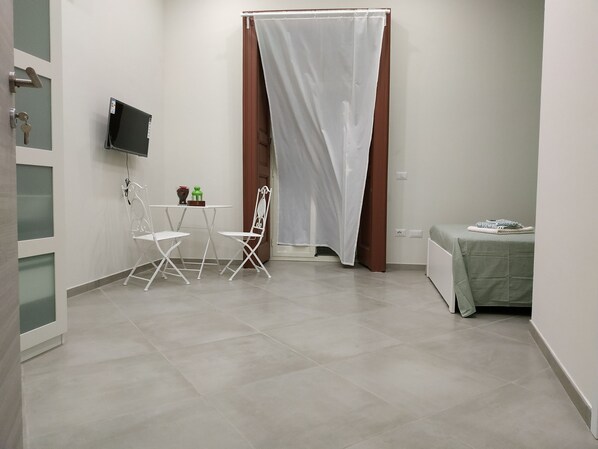
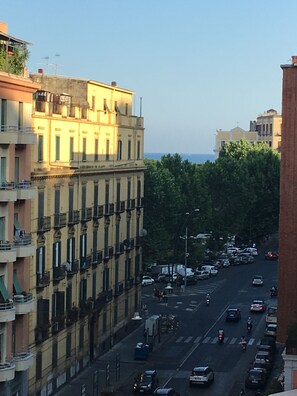
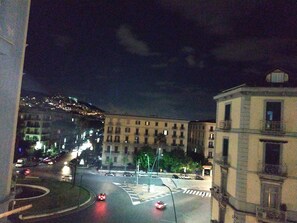
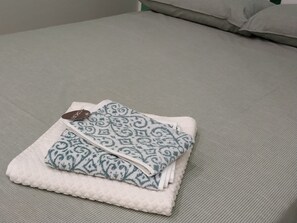
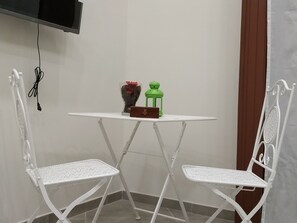
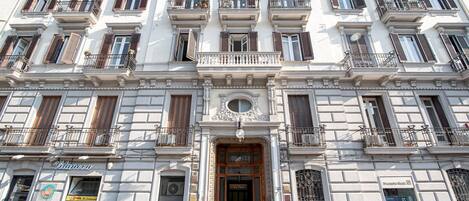
Studio located in a B&B in Piazzetta del Leone 6, in the heart of Mergellina, historic district of Naples. Overlooking Piazza Sannazaro and via Mergellina, a stone's throw from well-known Pizzerias and Restaurants (50 Kalò, Fratelli La Bufala, Galleria Leone, Ciro a Mergellina), a stone's throw from the promenade and the moorings of hydrofoils and ferries heading for Capri, Ischia, Ponza, Eolie, and all the major islands, in a beautiful period building, the air-conditioned studio consists of a queen size double bed, armchair bed, bathroom with large shower, an induction hob with mini fridge and kettle, LED TV, heating, air conditioning, as well as sheets and towels. A large balcony with sea view completes and enhances the studio apartment. Pets are not allowed.
Let's find out the location ...
Naples is a city full of fountains and it is almost impossible to count them all, one of these is the Lion Fountain in via Mergellina, at the foot of the Posillipo hill and not far from the most well-known Sebeto fountain and Sirena fountain.
History...
As often happens in Naples, the Lion fountain is linked to a legend. The story goes that in a remote time a prince, just in the place where the fountain stands today, went to visit his beloved with his trusty lion, who, like a docile cub, was waiting for him. One sad day, the prince learned of his beloved's death and cried so much that he died of a broken heart. It is precisely from those tears that the famous spring was born which was eternally guarded by the lion, waiting for its master.
In reality, the fountain was commissioned by Ferdinand IV of Bourbon in the eighteenth century to feed a fishing casino in Mergellina, but also to be used by the citizens of the area. From that moment the water, known by the name of Mergoglino, instead of rising from the earth began to gush from the mouth of an ancient marble lion placed in the middle of the tub. The fountain was renovated in 1869 with the addition of the Pirolli lion statue.
The peculiarity of this fountain is the fact that it is subjected to the road and can be reached using two stairways, separated by a base on which the lion statue made by the sculptor Pirolli rests. In the original structure, two cannulas, placed in the center of the part below the street level, carried the water in two trays (now lost)
The Leone fountain can be found in the square of the same name (Piazzetta Leone in Mergellina, 1-3, 80122 Naples) in the stretch of road that goes from Piazza Sannazaro to the Port of Mergellina, once a fisherman and today mainly tourist. In an old Alinari photo the lion still contemplates the sea placidly.
And then, Piazza Sannazaro ...
Piazza Sannazaro, located near the Lungomare Francesco Caracciolo, the Riviera di Chiaia, the Vomero district and Posillipo, is among the most elegant squares in the city of Naples.
The square dates back to the end of the 19th century when a large fill of the coast line allowed the construction of the square, the promenade and viale Gramsci.
In the center of the square stands the fountain with the splendid statue of the Parthenope mermaid which is positioned on a rock together with animals and aquatic plants.
It is one of the symbolic fountains of Naples. It was erected by the sculptor Onofrio Buccini in 1869 to decorate the gardens of the railway station, but in 1924 it was moved to Piazza Sannazaro. On the occasion of the inauguration of the Galleria Laziale, the gallery that connects Mergellina to Fuorigrotta.
The fountain is a marble group composed of a large elliptical basin in the center of which stands the "rock", on which rest four animals symbol of initiatory traditions: a horse, a lion, a dolphin and a turtle, as well as some aquatic plants .
The Siren Partenope (symbol of the city of Naples) hangs over this group, holding a lyre with his right arm, while the left arm is pointed upwards. The siren has its tail wrapped around its hips.
There is no other news about this statue. One can only add something about the history of the Parthenope Siren to which the foundation of the city of Naples is linked.
In ancient times the mermaids were mythological creatures, being half-woman and half-bird beings, while only later in the Middle Ages were they considered half fish. They inhabited the waters in front of the Campania coasts and their song was so sweet and melodious as to enchant any crew of ships that passed through those parts, bringing them so close to the coast that they ended up smashing against the rocks. Nobody could escape their song. Partenope was one of them.
One day, however, things did not go like this, in fact he found himself sailing in those places Ulysses, the hero of the Trojan war. Ulysses was a very astute man, and wanting at all costs to hear the singing of the Sirens without running any danger, he thought of plugging the ears of all his crew with wax so that they could not hear the dangerous singing, while he instead he had himself tied to a ship's mast. In this way he could listen but not take any action that could be dangerous for himself and his crew.
Parthenope was very surprised by that ship which unlike all the others was not attracted to them, on the contrary pulled straight without problems. It was the first time that this happened, so he chased the ship to the bay where Naples currently stands but nothing to do, Ulysses was not bewitched. From the sorrow of not being able to conquer it with her singing, she let herself die on the rock of Megaride, where Castel dell'Ovo currently stands. There she was found by some fishermen who venerated her as a goddess. They elected her protector of the place and in her honor they called their village Partenope. The term has remained forever, even if later, later, that small village, which over the years developed into a city, was given the name of Neapolis.
Let's find out the location ...
Naples is a city full of fountains and it is almost impossible to count them all, one of these is the Lion Fountain in via Mergellina, at the foot of the Posillipo hill and not far from the most well-known Sebeto fountain and Sirena fountain.
History...
As often happens in Naples, the Lion fountain is linked to a legend. The story goes that in a remote time a prince, just in the place where the fountain stands today, went to visit his beloved with his trusty lion, who, like a docile cub, was waiting for him. One sad day, the prince learned of his beloved's death and cried so much that he died of a broken heart. It is precisely from those tears that the famous spring was born which was eternally guarded by the lion, waiting for its master.
In reality, the fountain was commissioned by Ferdinand IV of Bourbon in the eighteenth century to feed a fishing casino in Mergellina, but also to be used by the citizens of the area. From that moment the water, known by the name of Mergoglino, instead of rising from the earth began to gush from the mouth of an ancient marble lion placed in the middle of the tub. The fountain was renovated in 1869 with the addition of the Pirolli lion statue.
The peculiarity of this fountain is the fact that it is subjected to the road and can be reached using two stairways, separated by a base on which the lion statue made by the sculptor Pirolli rests. In the original structure, two cannulas, placed in the center of the part below the street level, carried the water in two trays (now lost)
The Leone fountain can be found in the square of the same name (Piazzetta Leone in Mergellina, 1-3, 80122 Naples) in the stretch of road that goes from Piazza Sannazaro to the Port of Mergellina, once a fisherman and today mainly tourist. In an old Alinari photo the lion still contemplates the sea placidly.
And then, Piazza Sannazaro ...
Piazza Sannazaro, located near the Lungomare Francesco Caracciolo, the Riviera di Chiaia, the Vomero district and Posillipo, is among the most elegant squares in the city of Naples.
The square dates back to the end of the 19th century when a large fill of the coast line allowed the construction of the square, the promenade and viale Gramsci.
In the center of the square stands the fountain with the splendid statue of the Parthenope mermaid which is positioned on a rock together with animals and aquatic plants.
It is one of the symbolic fountains of Naples. It was erected by the sculptor Onofrio Buccini in 1869 to decorate the gardens of the railway station, but in 1924 it was moved to Piazza Sannazaro. On the occasion of the inauguration of the Galleria Laziale, the gallery that connects Mergellina to Fuorigrotta.
The fountain is a marble group composed of a large elliptical basin in the center of which stands the "rock", on which rest four animals symbol of initiatory traditions: a horse, a lion, a dolphin and a turtle, as well as some aquatic plants .
The Siren Partenope (symbol of the city of Naples) hangs over this group, holding a lyre with his right arm, while the left arm is pointed upwards. The siren has its tail wrapped around its hips.
There is no other news about this statue. One can only add something about the history of the Parthenope Siren to which the foundation of the city of Naples is linked.
In ancient times the mermaids were mythological creatures, being half-woman and half-bird beings, while only later in the Middle Ages were they considered half fish. They inhabited the waters in front of the Campania coasts and their song was so sweet and melodious as to enchant any crew of ships that passed through those parts, bringing them so close to the coast that they ended up smashing against the rocks. Nobody could escape their song. Partenope was one of them.
One day, however, things did not go like this, in fact he found himself sailing in those places Ulysses, the hero of the Trojan war. Ulysses was a very astute man, and wanting at all costs to hear the singing of the Sirens without running any danger, he thought of plugging the ears of all his crew with wax so that they could not hear the dangerous singing, while he instead he had himself tied to a ship's mast. In this way he could listen but not take any action that could be dangerous for himself and his crew.
Parthenope was very surprised by that ship which unlike all the others was not attracted to them, on the contrary pulled straight without problems. It was the first time that this happened, so he chased the ship to the bay where Naples currently stands but nothing to do, Ulysses was not bewitched. From the sorrow of not being able to conquer it with her singing, she let herself die on the rock of Megaride, where Castel dell'Ovo currently stands. There she was found by some fishermen who venerated her as a goddess. They elected her protector of the place and in her honor they called their village Partenope. The term has remained forever, even if later, later, that small village, which over the years developed into a city, was given the name of Neapolis.
住宿設施服務
網絡
- 公寓提供:Wi-Fi
泊車及交通
- 不須乘車
睡房
- 1 間睡房
- 提供床單
浴室
- 1 個浴室
- 肥皂
- 洗頭水
- 廁紙
- 提供毛巾
娛樂
- 電視
戶外區域
- 陽台
舒適
- 空調
- 暖氣
寵物
- 不可攜帶寵物
合適程度/無障礙設施
- 禁煙住宿
地點特色
- 鄰近海洋
安全設施
- 未知是否有一氧化碳檢測器 (屋主並未表明住宿是否有一氧化碳檢測器;請考慮帶備可攜式檢測器)
- 未知是否有煙霧探測器 (屋主並未表明住宿是否有煙霧探測器)
- 門鎖
一般資訊
- 此住宿不接受兒童入住
- 單位尺寸:323 平方呎
類似住宿

那不勒斯 19 - 雙人房 B
那不勒斯 19 - 雙人房 B
基亞亞
- 免費 Wi-Fi

Real Suite 公寓酒店
Real Suite 公寓酒店
基亞亞
- 免費 Wi-Fi
- 空調
- 隔音房
現售 HK$1,000
HK$1,000
合共 HK$1,208
連稅及其他費用
4 月 20 日 - 4 月 21 日

NAPOLI RELAX
NAPOLI RELAX
基亞亞
- 泳池
- 免費 Wi-Fi
- 空調
- 供應早餐
10.0 分 (滿分為 10 分),完美,4 則評價 篇評價
10
完美
4 則評價
現售 HK$1,209
HK$1,209
合共 HK$1,429
連稅及其他費用
4 月 8 日 - 4 月 9 日

那不勒斯 19 - 四人房
那不勒斯 19 - 四人房
基亞亞
- 免費 Wi-Fi

Napul 19 - 雙人房 A
Napul 19 - 雙人房 A
基亞亞
- 免費 Wi-Fi

Napul 19 - 三人房
Napul 19 - 三人房
基亞亞
- 免費 Wi-Fi

Riviera的Casa Fiorita
基亞亞
- 廚房
- 免費 Wi-Fi
- 戶外空間
- 微波爐

Napul 19 - 雙人房
Napul 19 - 雙人房
基亞亞
- 免費 Wi-Fi

那不勒斯 Casa Fiorita Alla Riviera 公寓
那不勒斯 Casa Fiorita Alla Riviera 公 寓
基亞亞
- 免費 Wi-Fi
- 客飯廳