
![The Arc de Triomphe de l'Étoile (Triumphal Arch of the Star) is one of the most famous monuments in Paris. It stands in the centre of the Place Charles de Gaulle (originally named Place de l'Étoile), at the western end of the Champs-Élysées. It should not be confused with a smaller arch, the Arc de Triomphe du Carrousel, which stands west of the Louvre. The Arc de Triomphe honours those who fought and died for France in the French Revolutionary and the Napoleonic Wars, with the names of all French victories and generals inscribed on its inner and outer surfaces. Beneath its vault lies the Tomb of the Unknown Soldier from World War I. The Arc de Triomphe is the linchpin of the Axe historique (historic axis) – a sequence of monuments and grand thoroughfares on a route which runs from the courtyard of the Louvre to the Grande Arche de la Défense. The monument was designed by Jean Chalgrin in 1806 and its iconographic program pits heroically nude French youths against bearded Germanic warriors in chain mail. It set the tone for public monuments with triumphant patriotic messages. The monument stands 50 metres in height, 45 m wide and 22 m deep. Its design was inspired by the Roman Arch of Titus. The Arc de Triomphe is built on such a large scale that, three weeks after the Paris victory parade in 1919 (marking the end of hostilities in World War I), Charles Godefroy flew his Nieuport biplane through it, with the event captured on newsreel. It was the tallest triumphal arch in existence until the completion of the Monumento a la Revolución in Mexico City in 1938, which is 67 metres high. The Arch of Triumph in Pyongyang, completed in 1982, is modelled on the Arc de Triomphe and is slightly taller at 60 m [Wikipedia.org]](https://images.trvl-media.com/place/6187899/ce730aaa-6e04-4cb2-ae2d-4e846d97c027.jpg?impolicy=fcrop&w=1200&h=500&q=medium)
第十七区提供班车服务的酒店 | 每晚可HK$1,073 起
 随心所欲预订可免费取消的酒店
 精挑细选搜索全球近一百万家住宿
查看第十七区提供班车服务的酒店的可订空房
没有找到完全匹配的结果,但这些替代选择或许正好适合
第十七区酒店推荐

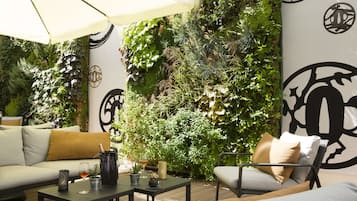


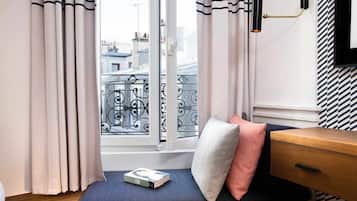
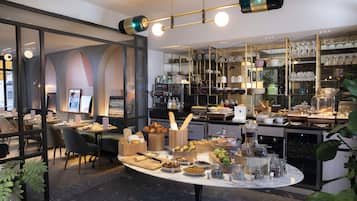





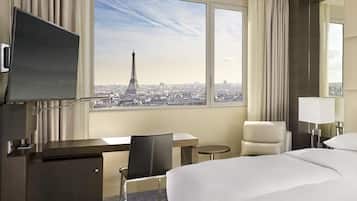
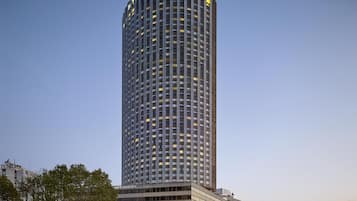
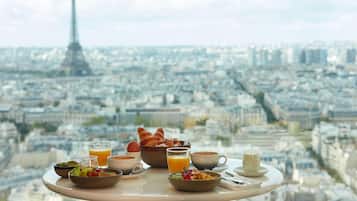


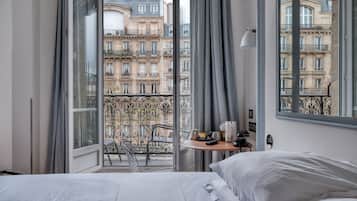
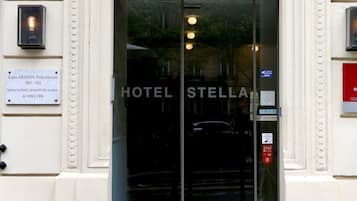

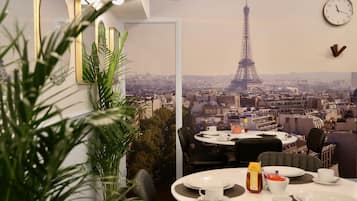

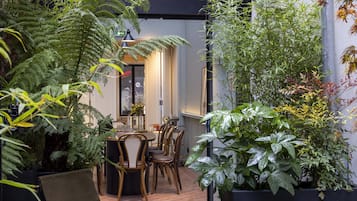


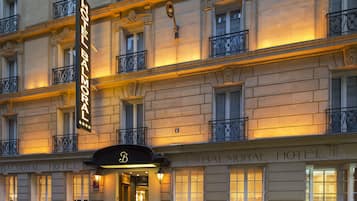

9.2 分,总分 10,好极了,(595)
“Good location, very close to Underground, also close to Airport Bus station. Excellence of guest service, would ask you before check in for any special arrangement or assistance needed. Small hotel but with everything you need. Room is big, but bathroom is even bigger. Bed is comfortable. Breakfast is not a big buffet type, but good enough. Staff very nice and professional. Enjoy the stay and will come back again next time.”

匿名旅客
新价格 HK$1,530
总价 HK$1,837
包含税费
12 月 23 日 - 12 月 24 日


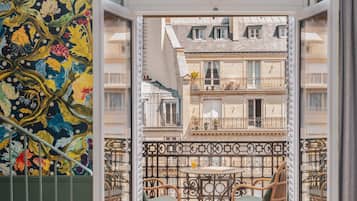
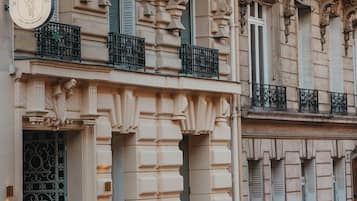
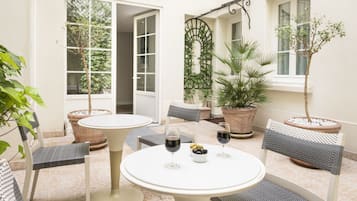
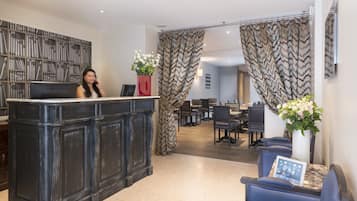


基于过去 24 小时内找到的、2 位成人 1 晚住宿的每晚最低价格。价格和供应情况可能会有所变动。可能需遵守其他条款。
第十七区热门酒店点评
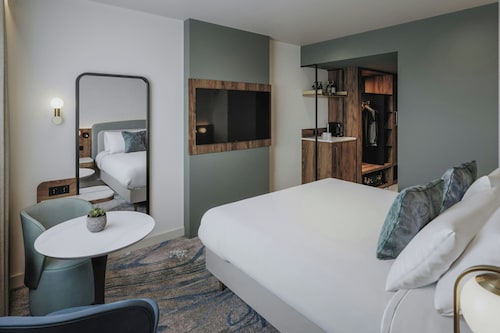
巴黎艾美凯旋门酒店
10/10 优秀

