奇利卡湖

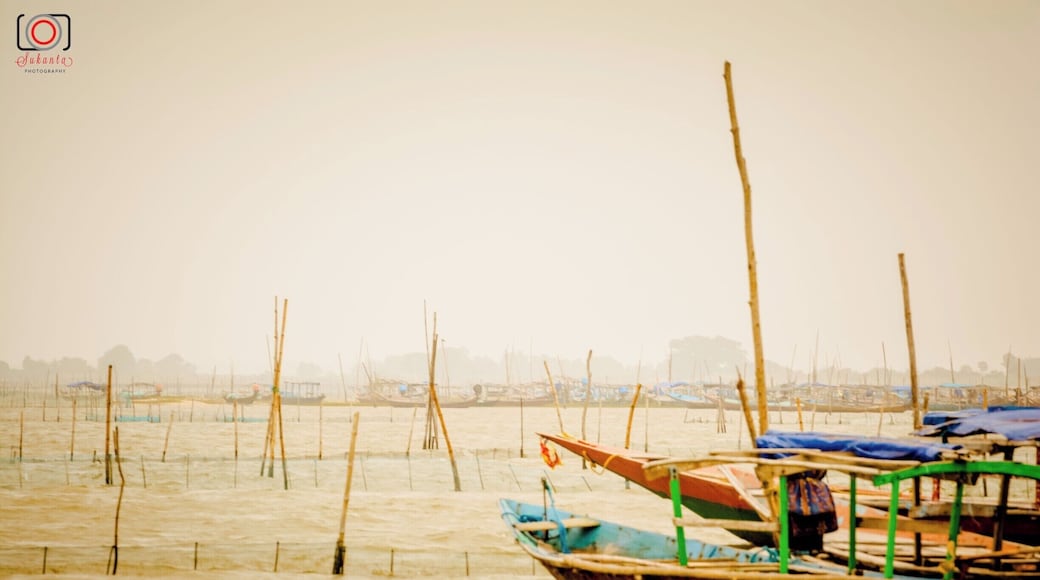
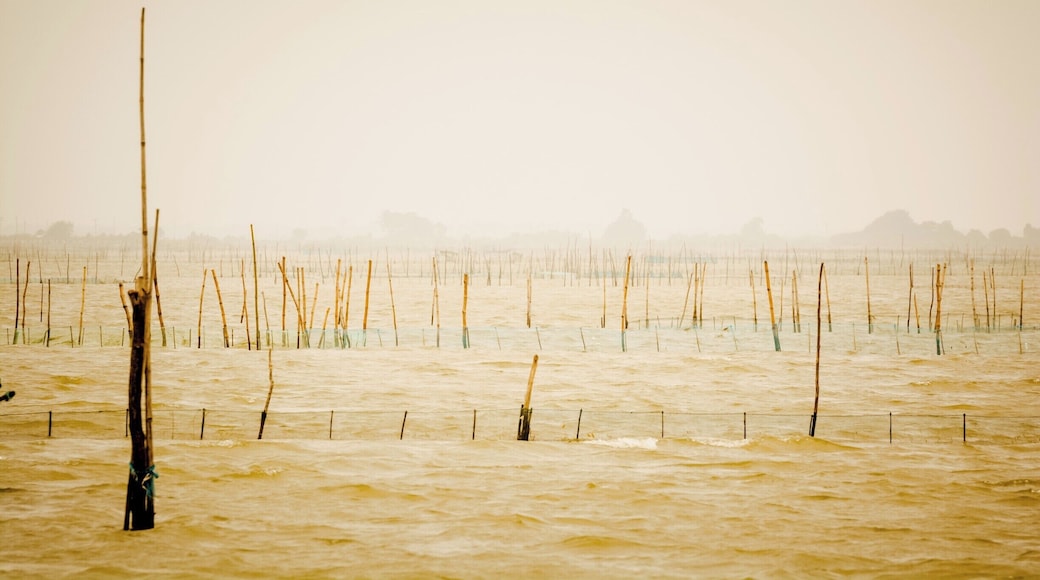
Chilika lake is a brackish water lagoon, spread over the Puri, Khurda and Ganjam districts of Odisha state on the east coast of India, at the mouth of the Daya River, flowing into the Bay of Bengal, covering an area of over 1,100 km2. It is the largest coastal lagoon in India and the second largest lagoon in the world[3][4][dubious – discuss] after The New Caledonian barrier reef in New Caledonia.

It is the largest wintering ground for migratory birds on the Indian sub-continent. The lake is home to a number of threatened species of plants and animals.

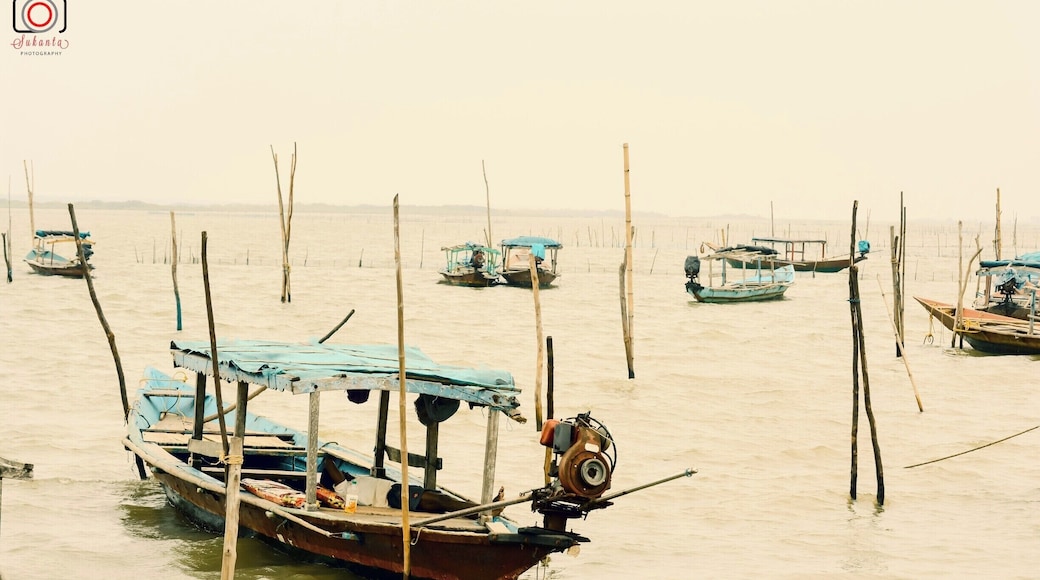
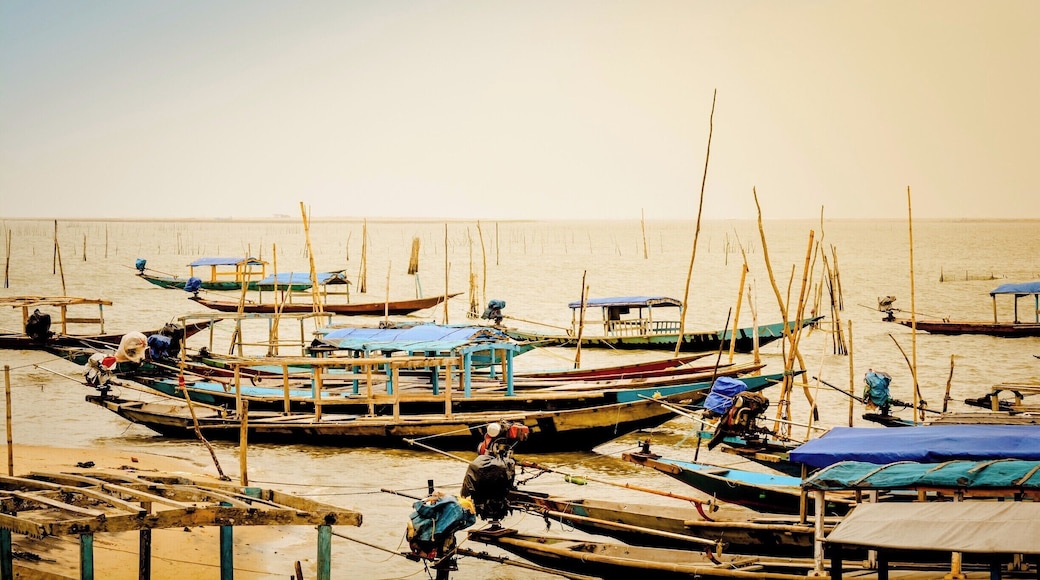
The lake is an ecosystem with large fishery resources. It sustains more than 150,000 fisher–folk living in 132 villages on the shore and islands.
The lagoon hosts over 160 species of birds in the peak migratory season. Birds from as far as the Caspian Sea, Lake Baikal, Aral Sea and other remote parts of Russia, Kirghiz steppes of Mongolia, Central and southeast Asia, Ladakh and Himalayas come here. These birds travel great distances; migratory birds probably follow much longer routes than the straight lines, possibly up to 12,000 km, to reach Chilika Lake.

In 1981, Chilika Lake was designated the first Indian wetland of international importance under the Ramsar Convention.

According to a survey, 45 percent of the birds are terrestrial in nature, 32 percent are waterfowl, and 23 percent are waders. The lagoon is also home to 14 types of raptors. Around 152 rare and endangered Irrawaddy dolphins have also been reported. Plus, the lagoon supports about 37 species of reptiles and amphibians.

The highly productive chilika lagoon eco-system with its rich fishery resources sustains the livelihood for many fisher men who live in and near the Lagoon. The water spread area of the Lagoon ranges between 1165 and 906 km2 during the monsoon and summer respectively. A 32 km long, narrow, outer channel connects the lagoon to the Bay of Bengal, near the village Motto. More recently a new mouth has been opened by CDA which has brought a new lease of life to the lagoon.

Microalgae, marine seaweeds, sea grasses, fishes and crabs also flourish in the brackish water of the Chilika Lagoon. Especially the recovery of sea grass beds in recent years is a welcoming trend which may eventually result in re-colorizations of endangered dugongs.
Chilka
Chilika lake is a brackish water lagoon, spread over the Puri, Khurda and Ganjam districts of Odisha state on the east coast of India, at the mouth of the Daya River, flowing into the Bay of Bengal, covering an area of over 1,100 km2. It is the largest coastal lagoon in India and the second largest lagoon in the world[3][4][dubious – discuss] after The New Caledonian barrier reef in New Caledonia.

It is the largest wintering ground for migratory birds on the Indian sub-continent. The lake is home to a number of threatened species of plants and animals.

The lake is an ecosystem with large fishery resources. It sustains more than 150,000 fisher–folk living in 132 villages on the shore and islands.
The lagoon hosts over 160 species of birds in the peak migratory season. Birds from as far as the Caspian Sea, Lake Baikal, Aral Sea and other remote parts of Russia, Kirghiz steppes of Mongolia, Central and southeast Asia, Ladakh and Himalayas come here. These birds travel great distances; migratory birds probably follow much longer routes than the straight lines, possibly up to 12,000 km, to reach Chilika Lake.

In 1981, Chilika Lake was designated the first Indian wetland of international importance under the Ramsar Convention.

According to a survey, 45 percent of the birds are terrestrial in nature, 32 percent are waterfowl, and 23 percent are waders. The lagoon is also home to 14 types of raptors. Around 152 rare and endangered Irrawaddy dolphins have also been reported. Plus, the lagoon supports about 37 species of reptiles and amphibians.

The highly productive chilika lagoon eco-system with its rich fishery resources sustains the livelihood for many fisher men who live in and near the Lagoon. The water spread area of the Lagoon ranges between 1165 and 906 km2 during the monsoon and summer respectively. A 32 km long, narrow, outer channel connects the lagoon to the Bay of Bengal, near the village Motto. More recently a new mouth has been opened by CDA which has brought a new lease of life to the lagoon.

Microalgae, marine seaweeds, sea grasses, fishes and crabs also flourish in the brackish water of the Chilika Lagoon. Especially the recovery of sea grass beds in recent years is a welcoming trend which may eventually result in re-colorizations of endangered dugongs.
Chilika lake is a brackish water lagoon, spread over the Puri, Khurda and Ganjam districts of Odisha state on the east coast of India, at the mouth of the Daya River, flowing into the Bay of Bengal, covering an area of over 1,100 km2. It is the largest coastal lagoon in India and the second largest lagoon in the world[3][4][dubious – discuss] after The New Caledonian barrier reef in New Caledonia.

It is the largest wintering ground for migratory birds on the Indian sub-continent. The lake is home to a number of threatened species of plants and animals.

The lake is an ecosystem with large fishery resources. It sustains more than 150,000 fisher–folk living in 132 villages on the shore and islands.
The lagoon hosts over 160 species of birds in the peak migratory season. Birds from as far as the Caspian Sea, Lake Baikal, Aral Sea and other remote parts of Russia, Kirghiz steppes of Mongolia, Central and southeast Asia, Ladakh and Himalayas come here. These birds travel great distances; migratory birds probably follow much longer routes than the straight lines, possibly up to 12,000 km, to reach Chilika Lake.

In 1981, Chilika Lake was designated the first Indian wetland of international importance under the Ramsar Convention.

According to a survey, 45 percent of the birds are terrestrial in nature, 32 percent are waterfowl, and 23 percent are waders. The lagoon is also home to 14 types of raptors. Around 152 rare and endangered Irrawaddy dolphins have also been reported. Plus, the lagoon supports about 37 species of reptiles and amphibians.

The highly productive chilika lagoon eco-system with its rich fishery resources sustains the livelihood for many fisher men who live in and near the Lagoon. The water spread area of the Lagoon ranges between 1165 and 906 km2 during the monsoon and summer respectively. A 32 km long, narrow, outer channel connects the lagoon to the Bay of Bengal, near the village Motto. More recently a new mouth has been opened by CDA which has brought a new lease of life to the lagoon.

Microalgae, marine seaweeds, sea grasses, fishes and crabs also flourish in the brackish water of the Chilika Lagoon. Especially the recovery of sea grass beds in recent years is a welcoming trend which may eventually result in re-colorizations of endangered dugongs.
Chilika lake is a brackish water lagoon, spread over the Puri, Khurda and Ganjam districts of Odisha state on the east coast of India, at the mouth of the Daya River, flowing into the Bay of Bengal, covering an area of over 1,100 km2. It is the largest coastal lagoon in India and the second largest lagoon in the world[3][4][dubious – discuss] after The New Caledonian barrier reef in New Caledonia.

It is the largest wintering ground for migratory birds on the Indian sub-continent. The lake is home to a number of threatened species of plants and animals.

The lake is an ecosystem with large fishery resources. It sustains more than 150,000 fisher–folk living in 132 villages on the shore and islands.
The lagoon hosts over 160 species of birds in the peak migratory season. Birds from as far as the Caspian Sea, Lake Baikal, Aral Sea and other remote parts of Russia, Kirghiz steppes of Mongolia, Central and southeast Asia, Ladakh and Himalayas come here. These birds travel great distances; migratory birds probably follow much longer routes than the straight lines, possibly up to 12,000 km, to reach Chilika Lake.

In 1981, Chilika Lake was designated the first Indian wetland of international importance under the Ramsar Convention.

According to a survey, 45 percent of the birds are terrestrial in nature, 32 percent are waterfowl, and 23 percent are waders. The lagoon is also home to 14 types of raptors. Around 152 rare and endangered Irrawaddy dolphins have also been reported. Plus, the lagoon supports about 37 species of reptiles and amphibians.

The highly productive chilika lagoon eco-system with its rich fishery resources sustains the livelihood for many fisher men who live in and near the Lagoon. The water spread area of the Lagoon ranges between 1165 and 906 km2 during the monsoon and summer respectively. A 32 km long, narrow, outer channel connects the lagoon to the Bay of Bengal, near the village Motto. More recently a new mouth has been opened by CDA which has brought a new lease of life to the lagoon.

Microalgae, marine seaweeds, sea grasses, fishes and crabs also flourish in the brackish water of the Chilika Lagoon. Especially the recovery of sea grass beds in recent years is a welcoming trend which may eventually result in re-colorizations of endangered dugongs.


热门景点


热门酒店优惠

斯沃斯提奇利卡度假村

斯沃斯提奇利卡度假村

4 out of 5
Odia-Alapur, At-po - Pathara Chatrapur Orissa
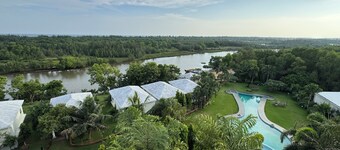
斯沃斯提奇利卡度假村
海洋度假村及水疗中心

海洋度假村及水疗中心

2.5 out of 5
Harachandi Rd Brahmagiri OR
海洋度假村及水疗中心
斯特灵库普里酒店

斯特灵库普里酒店

4.5 out of 5
Plot 255/2 & 255/3, Sipasarubali Village Brahmagiri Odisha
斯特灵库普里酒店
泰姬普里度假村及水疗中心,奥迪沙

泰姬普里度假村及水疗中心,奥迪沙

5 out of 5
PLOT NO. 545/I546, SIPASURBALI Brahmagiri
泰姬普里度假村及水疗中心,奥迪沙
梦境之地酒店

梦境之地酒店

3 out of 5
Nabakalebara Rd Brahmagiri Odisha
梦境之地酒店
Swosti 高级海滩度假村 普里

Swosti 高级海滩度假村 普里

3 out of 5
New Marine Drive Rd, Sipasarubali Brahmagiri Odisha
Swosti 高级海滩度假村 普里
兰巴宫

兰巴宫

4 out of 5
PS Tehsil Chatrapur Odisha
兰巴宫
Sterling Arka 普里套房

Sterling Arka 普里套房

3 out of 5
255 / 2 & 255 / 3, Sipasarubali Village Brahmagiri Odisha

Sterling Arka 普里套房
贾甘纳特普里海滩住宿

贾甘纳特普里海滩住宿

2 out of 5
Ananya Palm Beach Apartment Brahmagiri Odisha
贾甘纳特普里海滩住宿
基于过去 24 小时内找到的、2 位成人 1 晚住宿的每晚最低价格。价格和供应情况可能会有所变动。可能需遵守其他条款。