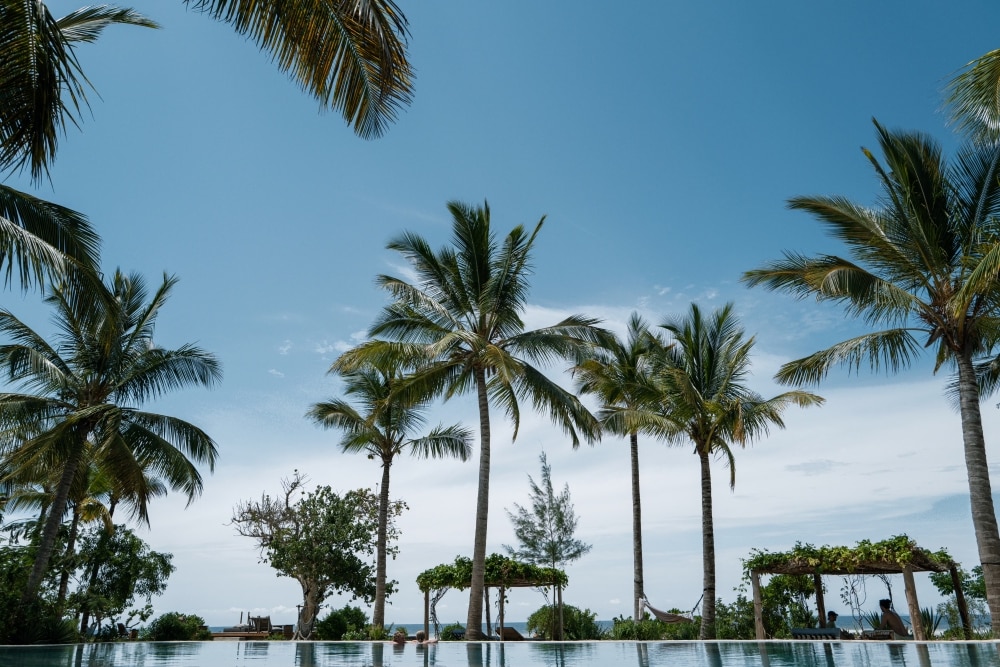

Tegalrejo hotels from HK$62
 Change your mindBook hotels with free cancellation
 Be pickySearch almost a million properties worldwide
Go beyond your typical stay in Tegalrejo
Pet friendly
Villa
Family friendly
Waterpark
Condo
Apartment
Resort
Check prices for these dates
Tonight
23 Sept - 24 SeptTomorrow
24 Sept - 25 SeptThis weekend
25 Sept - 27 SeptNext weekend
2 Oct - 4 OctOur top choices for Tegalrejo hotels


1. Hotel Tentrem Yogyakarta
Hotel Tentrem YogyakartaYogyakarta

Sai Ling
HK$874
HK$1,057 total
includes taxes & fees
11 Oct - 12 Oct


2. Uniq Hotel Yogyakarta
Uniq Hotel YogyakartaCentral Yogyakarta

Cem
HK$127
HK$154 total
includes taxes & fees
24 Sept - 25 Sept
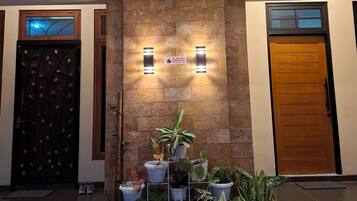

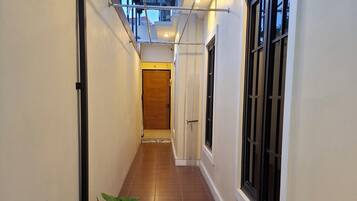
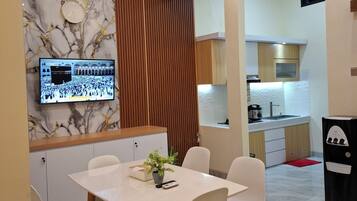
3. Tentrem Madani
Tentrem MadaniYogyakarta
HK$652
HK$788 total
includes taxes & fees
3 Oct - 4 Oct


4. Allure Villa Yogyakarta
Allure Villa YogyakartaYogyakarta
HK$431
HK$479 total
includes taxes & fees
6 Oct - 7 Oct
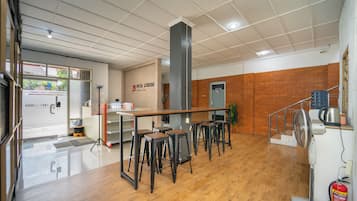


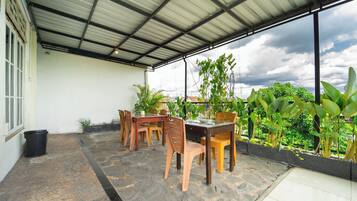
5. Peta Lodge Backpacker Hostel
Peta Lodge Backpacker HostelCentral Yogyakarta
HK$51
HK$62 total
includes taxes & fees
28 Sept - 29 Sept


6. The Utara Hotel Tugu by Eresha Hospitality
The Utara Hotel Tugu by Eresha HospitalityCentral Yogyakarta
HK$155
HK$172 total
includes taxes & fees
7 Oct - 8 Oct
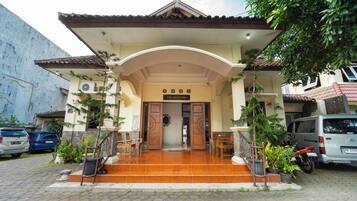

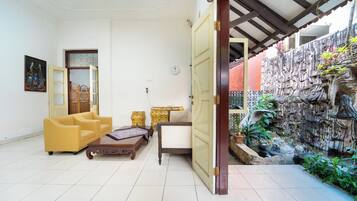
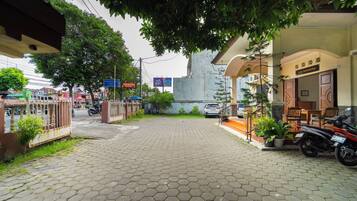
7. Griya Sastrowardoyo by ARBA
Griya Sastrowardoyo by ARBAYogyakarta
HK$132
HK$159 total
includes taxes & fees
8 Oct - 9 Oct
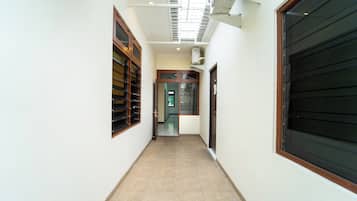
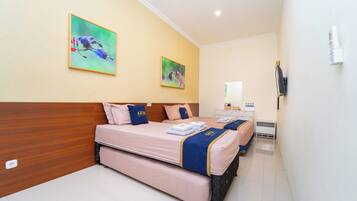
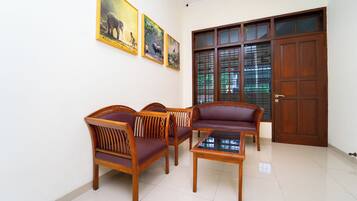

8. House Of Cokro By ARBA
House Of Cokro By ARBACentral Yogyakarta
HK$66
HK$80 total
includes taxes & fees
24 Sept - 25 Sept


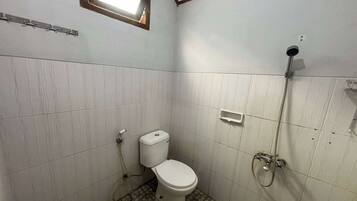
9. OYO 95050 Penginapan Sekarsari Syariah
OYO 95050 Penginapan Sekarsari SyariahYogyakarta
HK$78
HK$94 total
includes taxes & fees
24 Sept - 25 Sept


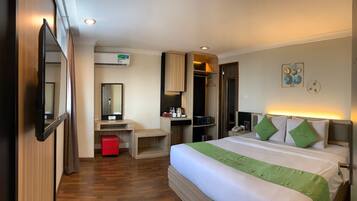

10. Top Malioboro Hotel
Top Malioboro HotelCentral Yogyakarta

Nishan
HK$121
HK$147 total
includes taxes & fees
27 Sept - 28 Sept



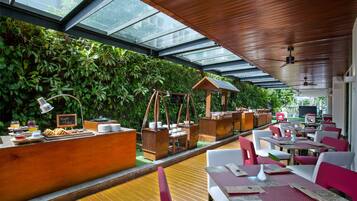
11. Swiss-Belboutique Yogyakarta
Swiss-Belboutique YogyakartaYogyakarta

Alkamal
HK$320
HK$387 total
includes taxes & fees
10 Oct - 11 Oct
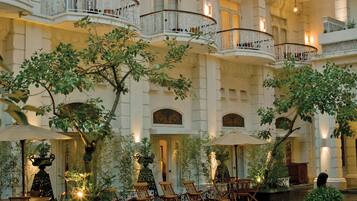


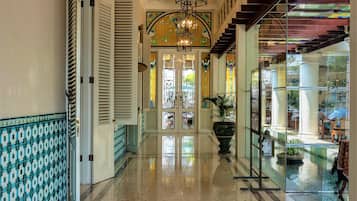
12. The Phoenix Hotel Yogyakarta - Handwritten Collection
The Phoenix Hotel Yogyakarta - Handwritten CollectionCentral Yogyakarta

Anne
HK$447
HK$541 total
includes taxes & fees
7 Oct - 8 Oct


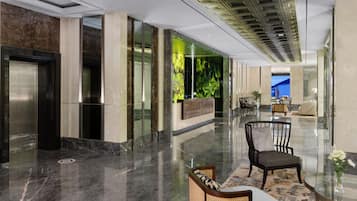

13. Royal Malioboro Yogyakarta by Aston
Royal Malioboro Yogyakarta by AstonMalioboro

Hossam
HK$561
HK$679 total
includes taxes & fees
12 Oct - 13 Oct


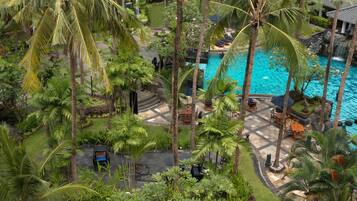
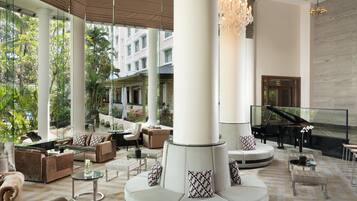
14. Melia Purosani Yogyakarta
Melia Purosani YogyakartaMalioboro
Mike
HK$489
HK$592 total
includes taxes & fees
11 Oct - 12 Oct

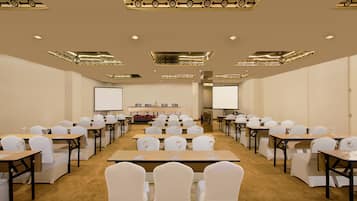


15. Khas Tugu Hotel Yogyakarta
Khas Tugu Hotel YogyakartaCentral Yogyakarta
Mark
HK$174
HK$210 total
includes taxes & fees
24 Sept - 25 Sept
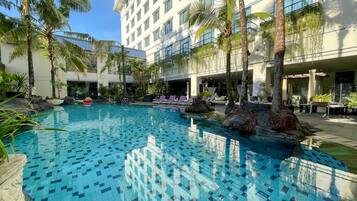



16. Kimaya Sudirman Yogyakarta by Harris
Kimaya Sudirman Yogyakarta by HarrisYogyakarta
Abdul
HK$208
HK$252 total
includes taxes & fees
28 Sept - 29 Sept




17. Novotel Suites Yogyakarta Malioboro
Novotel Suites Yogyakarta MalioboroMalioboro
Ervin
HK$401
HK$485 total
includes taxes & fees
28 Sept - 29 Sept




18. eL Hotel Yogyakarta Malioboro
eL Hotel Yogyakarta MalioboroMalioboro
Vincent
HK$313
HK$379 total
includes taxes & fees
24 Sept - 25 Sept
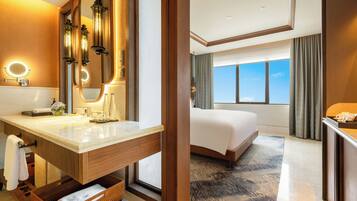
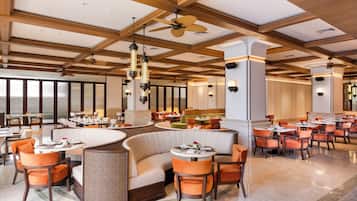
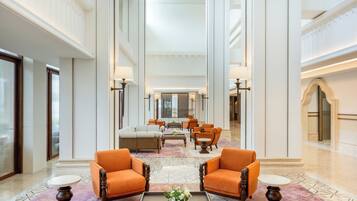

19. Grand Hotel De Djokja
Grand Hotel De DjokjaMalioboro
Giza
HK$656
HK$794 total
includes taxes & fees
18 Oct - 19 Oct

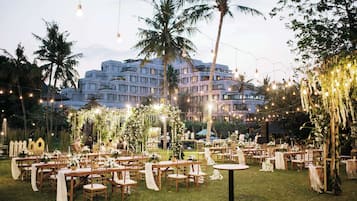


20. Hyatt Regency Yogyakarta
Hyatt Regency YogyakartaMlati
Robert
HK$482
HK$583 total
includes taxes & fees
12 Oct - 13 Oct

Stay near popular Tegalrejo attractions
Museum Sasana Wiratama
You can browse the exhibits at Museum Sasana Wiratama, a museum with a story of its own, during your travels to Tegalrejo. While in this culturally rich area, find time to visit its shops.
Learn more about Tegalrejo
Explore romantic Tegalrejo: its spas, culture, bars and more!
See all hotels in Tegalrejo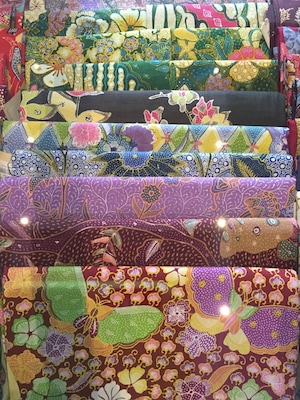
Photo by Sharrie Shaw
Top Tegalrejo Hotel Reviews
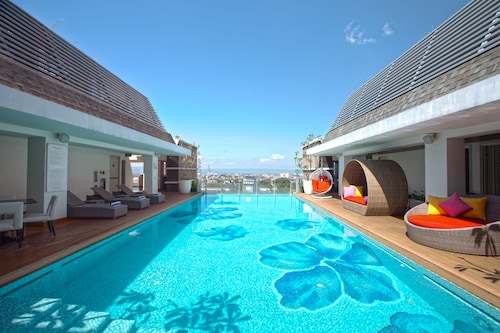
Swiss-Belboutique Yogyakarta
10/10 Excellent
"Fantastic hotel, location,enjoyed the stay and will go back when visit Jogjakarta again."
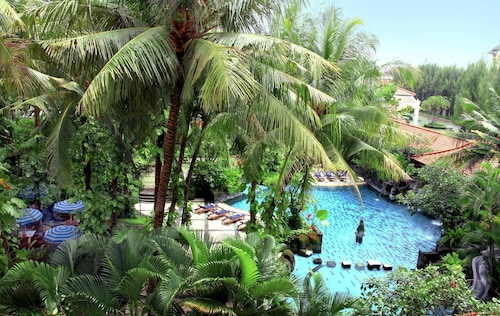
Melia Purosani Yogyakarta
8/10 Good
"Breakfast is too bad and No good👎"
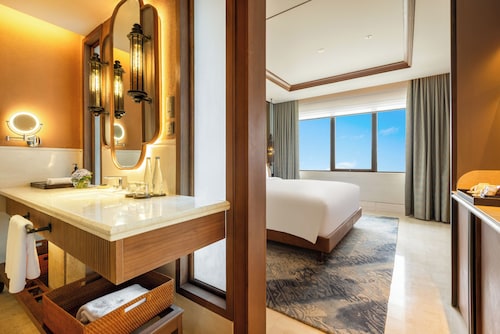
Grand Hotel De Djokja
10/10 Excellent
"Exceptional service! Everyone was so helpful! I truly enjoyed my stay."

Novotel Suites Yogyakarta Malioboro
10/10 Excellent
"We loved the location of the hotel. It was close to shopping and lots of restaurants were in the vicinity. Superb selection of items at breakfast. We especially liked the local items on the buffet. The room was clean and the staff responded to our concerns immediately. There was also no language barrier. Would stay there again."
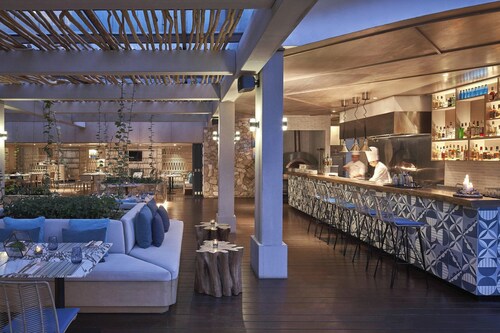
Yogyakarta Marriott Hotel
10/10 Excellent
"Beautiful, grand, luxury property Very spacious rooms, Awesome breakfast menu very courteous staff. Frans was friendly and helpful"

The Phoenix Hotel Yogyakarta - Handwritten Collection
10/10 Excellent
"Excellent location"
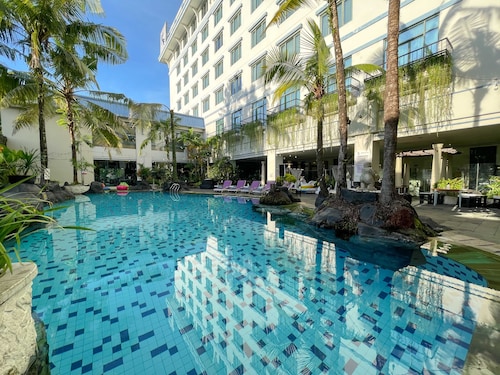
Kimaya Sudirman Yogyakarta by Harris
8/10 Good
"This is a good hotel. The staff is very helpful, breakfast delicious with incredible selection and the rooms comfortable. My only complaint: the bar is terribly overpriced. We learned that our first night. Later nights we noticed that no one is there. (Hint: walk 3 blocks to Ar+otek --- their bar & restaurant are much more reasonable with local live music many nights)."

Hotel Tentrem Yogyakarta
10/10 Excellent
"Beautiful and luxurious hotel with an A+ staff. Room is cleaned every day unless I ask to skip (with a button near the door) but they will come by later for a rescheduling. This way they can restock the free complimentary water and food/fruits. Pool is very nice, breakfast buffet is from 6am to 10am and I do recommend getting it as part of your room - wide selection and most of its pretty good. There is a national anthem at 10am that does play in public areas of the hotel. Staff is helpful and professional with the front desk and those at most front facing positions having strong English speaking skills too. Would go back if I was in Yogya"
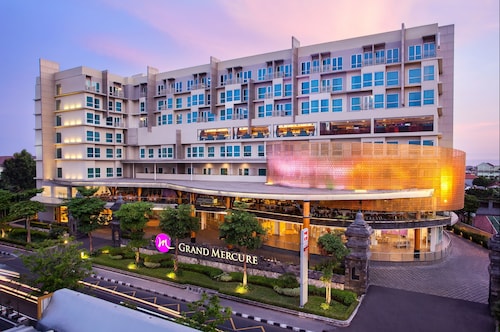
Grand Mercure Yogyakarta Adi Sucipto
8/10 Good
"The basement parking entrance & space are p0very tight. I suggest to have a better design for the transport parking facility."
More cheap stays in Tegalrejo

Cendhani Raras Gallery
Jl. Sidoasih No.44b, Tiyasan, Condongcatur, Kec. Depok, Kabupaten Sleman Depok D.I Yogyakarta
HK$59
HK$72 total
7 Oct - 8 Oct
includes taxes & fees

The Pod Mangkubumi
no.95 Jl. Margo Utomo Yogyakarta DI Jogjakarta
HK$60
HK$72 total
28 Sept - 29 Sept
includes taxes & fees

HUBS Hostel Yogyakarta
No. 60 Jalan P. Mangkubumi Yogyakarta Jogja
HK$120
HK$146 total
13 Oct - 14 Oct
includes taxes & fees
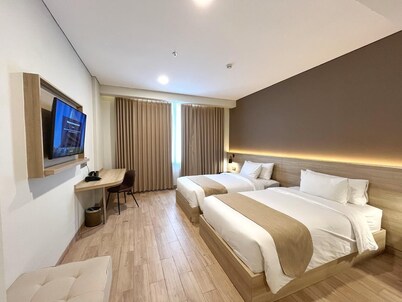
Prime UMY Hotel Convention & Dormitory
Jl. Anggrek Tegalrejo Kasihan Jogja
HK$149
HK$180 total
2 Oct - 3 Oct
includes taxes & fees

Huma Yogyakarta Hostel
No.27 Jl. Namburan Lor Panembahan Kraton Yogyakarta Jogja
HK$173
HK$209 total
24 Sept - 25 Sept
includes taxes & fees

Frequently asked questions
Explore a world of travel with Expedia
- Kraton Hotels
- Baturetno Hotels
- Condongcatur Hotels
- Hotels near Malioboro Mall
- Boutique Hotel Hotels in Yogyakarta
- Hotels near Pasar Beringharjo
- Guest Houses in Yogyakarta
- Sewon Hotels
- Mlati Hotels
- Hotels near Tugu Yogyakarta
- Golf Hotel Hotels in Yogyakarta
- 5 Star Hotels in Yogyakarta
- Hotels near Gembira Loka Zoo
- Bar Hotel Hotels in Catur Tunggal
- Yogyakarta Hotels
- Hotels near Yogyakarta State University
- All-Inclusive Hotel Hotels in Yogyakarta
- Vacation Homes in Wonosari
- Malioboro Hotels
- Resorts in Parangtritis
- Vacation Homes in Sleman
- Resorts in Yogyakarta
- Hotels near Yogyakarta Station
- Cheap Hotels in Yogyakarta
- Catur Tunggal Hotels
- Hotels near Alun Alun Kidul
- Luxury Hotel Hotels in Yogyakarta
- Hotels near Gadjah Mada University
- Pet-Friendly Hotel Hotels in Yogyakarta
- 5 Star Hotels in Parangtritis
- Maguwo Hotels
- Spa Hotel Hotels in Malioboro
- Hotels near Adisucipto Intl.
- Central Yogyakarta Hotels
- Hotels near Taman Pintar Science Park
- Hotels near Jogja City Mall
- Umbulharjo Hotels
- Depok Hotels
- Hotels near Sleman City Hall
- Spa Hotel Hotels in Yogyakarta
- 3 Star Hotels in Wonosari
- Danurejan Hotels
- Hotels near Lippo Plaza Jogja
- Prawirotaman Hotels
- Ngaglik Hotels
- 5 Star Hotels in Catur Tunggal
- Hotels near Malioboro Street
- Special Region of Yogyakarta Hotels
- Flights from Jakarta (CGK) to Yogyakarta (YIA)
- Flights to Depok
- Flights from Hong Kong (HKG) to Yogyakarta (JOG)
- Flights from Jakarta (JKT) to Yogyakarta (JOG)
- Flights to Yogyakarta
- Flights from Hong Kong (HKG) to Yogyakarta (YIA)
- Flights from Jakarta (CGK) to Yogyakarta (JOG)
- Flights to Kulon Progo
- Flights from Surabaya (SUB) to Yogyakarta (JOG)
- Visit Special Region of Yogyakarta
- Temon Holidays
- Visit Jetis
- Visit Kulon Progo
- Parangtritis Beach
- Sunan Kalijaga State Islamic University Yogyakarta
- Visit Kalirejo
- Catur Tunggal Holidays
- Visit Central Yogyakarta
- Visit Yogyakarta
- Visit Kokap
- Visit Semanu
- Kraton Holidays
- Pasar Ngasem
- Tebing Breksi
- Tugu Yogyakarta
- Gedung Agung
- Affandi Museum
- Prambanan Temple
- Kids Fun Park
- Visit Pogung Lor
- Playen Holidays
- Visit Tegalrejo
- Visit Prambanan
- Visit Playen
- Visit Temon
- Gembira Loka Zoo
- Kalasan Holidays
- Visit Muntuk
- Yogyakarta Holidays
- Great Mosque Kotagede Mataram
- Malioboro Street