Discover ancient temples, traditional batik, wayang shadow puppetry and gamelan music in the city that holds the key to Java’s cultural heritage.
The city of Yogyakarta is the perfect place to explore Java’s rich culture and traditions. Known for its protection of local heritage and customs, Yogyakarta is a hub for fine Javanese art, craft, music, poetry, ballet and puppetry. Explore the magnificent temples of Borobudur and Prambanan, and gain an insight into Buddhist, Hindu and Javanese culture.
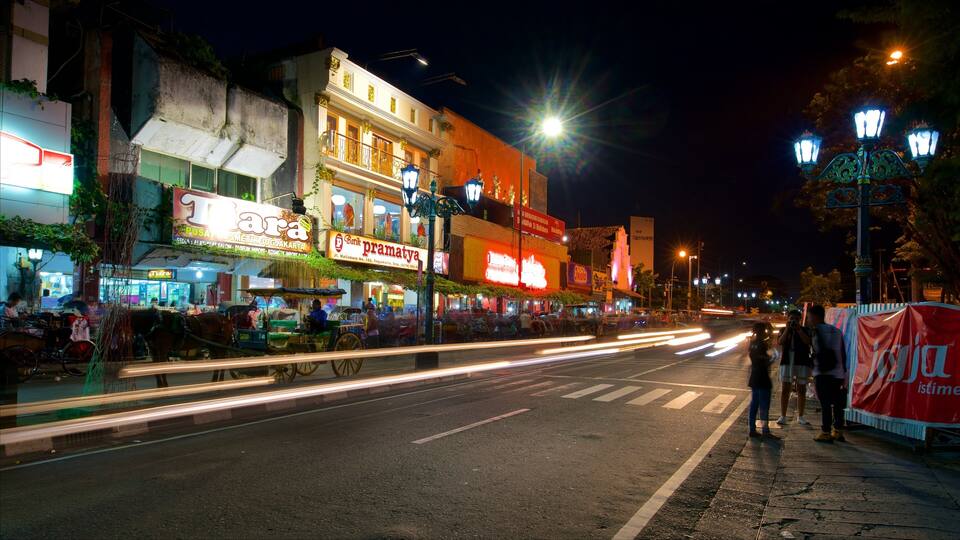
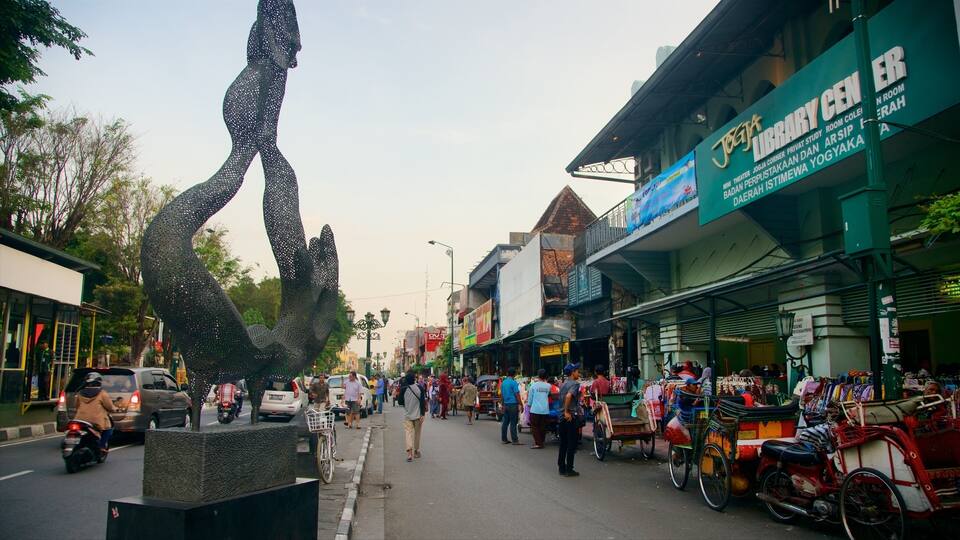
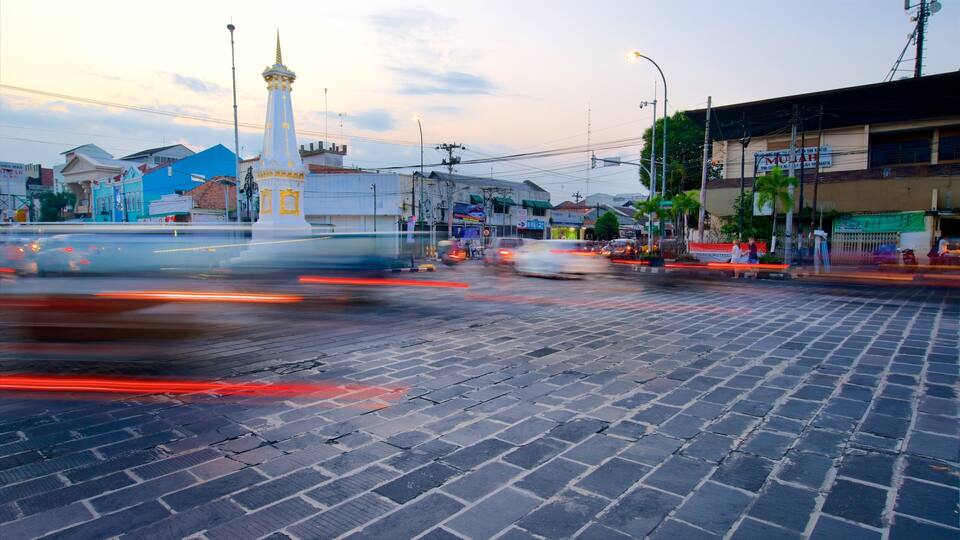
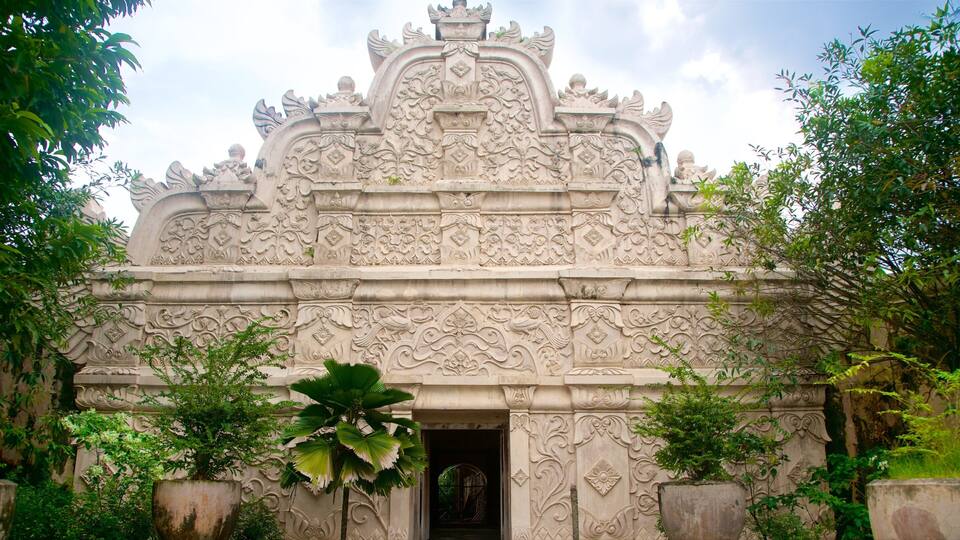
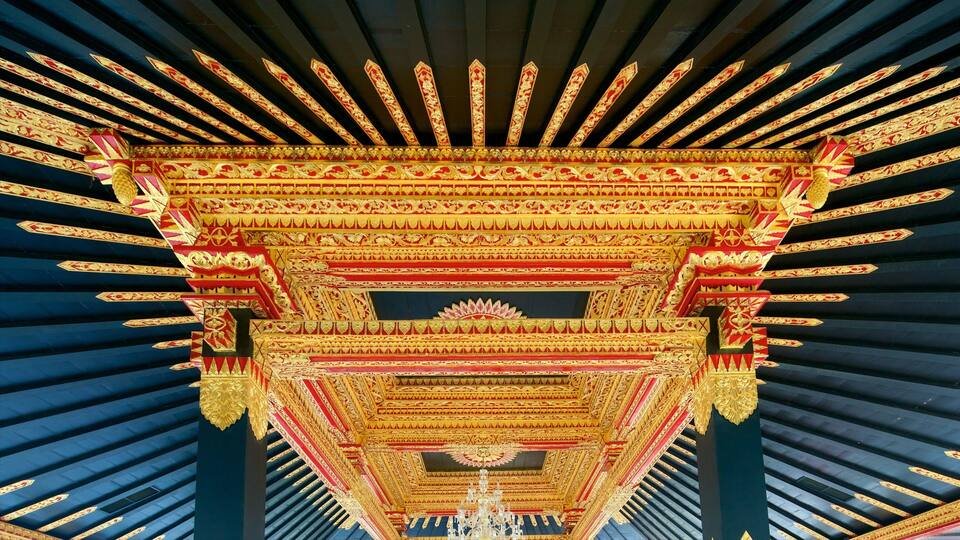
Yogyakarta is one of the oldest cities in Indonesia. A short stroll around the historic district will bring you past the Sultan’s Palace (Kraton Ngayogyakarta) and its stately main court, mosque and museum. Admire the Central Post Office (Kantor Pos Besar) and the Tugu Monument. Grab a snack from a street vendor and watch the locals playing street chess near the Kraton complex.
To learn about Javanese culture and history, head to the Museum Sonobudoyo, the Museum Batik or Fort Vrederburg. Browse historical artefacts and traditional handicrafts such as batik, wayang puppets, masks and gamelan instruments. Discover Yogyakarta’s thriving art scene at the Affandi Museum and Cemeti Art House.
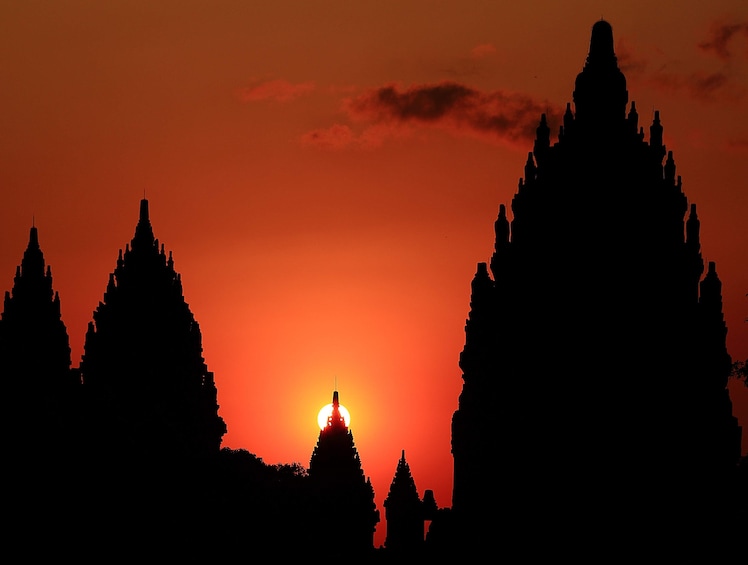
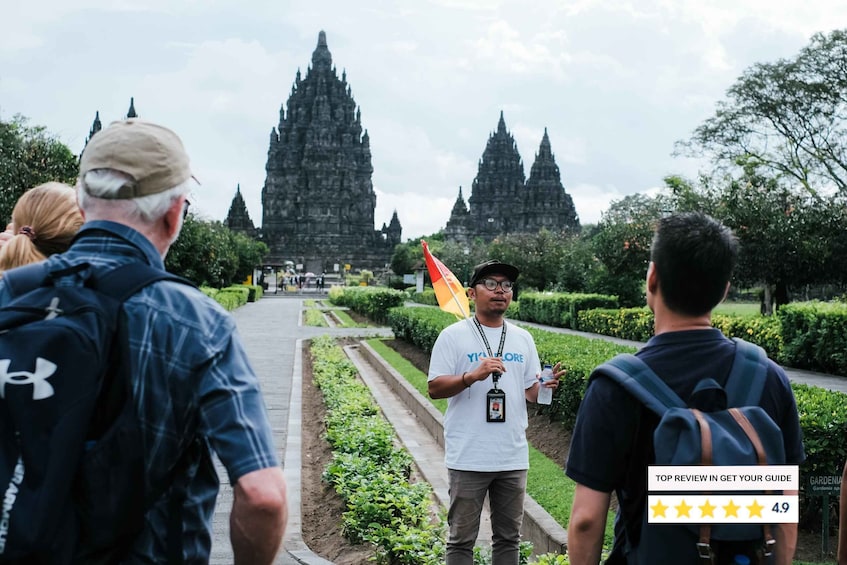
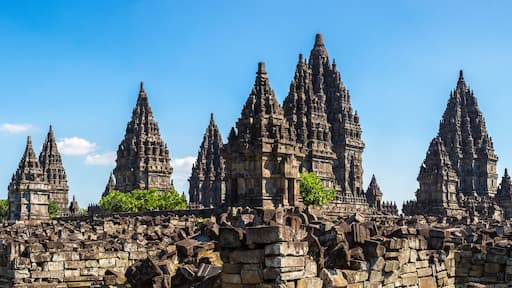
Don’t miss Yogyakarta’s breathtaking ancient temples, known locally as candi. Wander through numerous shrines and monuments at Prambanan, a collection of towering Hindu temples with intricately carved domes. The stunning Borobudur Buddhist temple dates back to the 9th century and is located in Magelang, 1 hour’s drive from Yogyakarta.
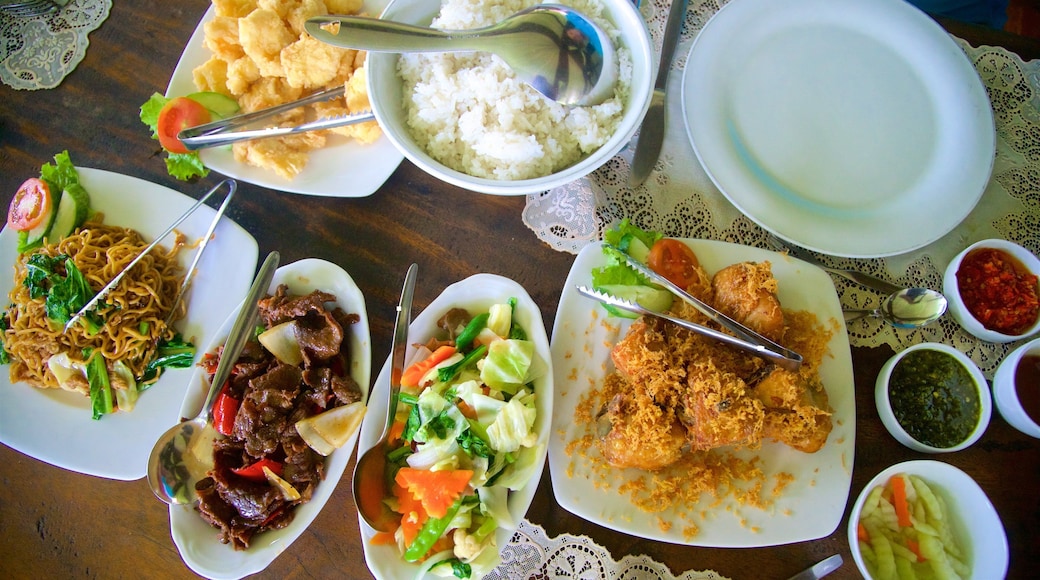
Relax with a massage treatment or sunrise yoga and meditation classes. Play a round of golf overlooking Mount Merapi. During your visit, try local cuisine, such as sweet curry with jackfruit, palm sugar, coconut milk and chicken. In January, the city celebrates Java’s Muslim culture with the traditional Sekaten festival.
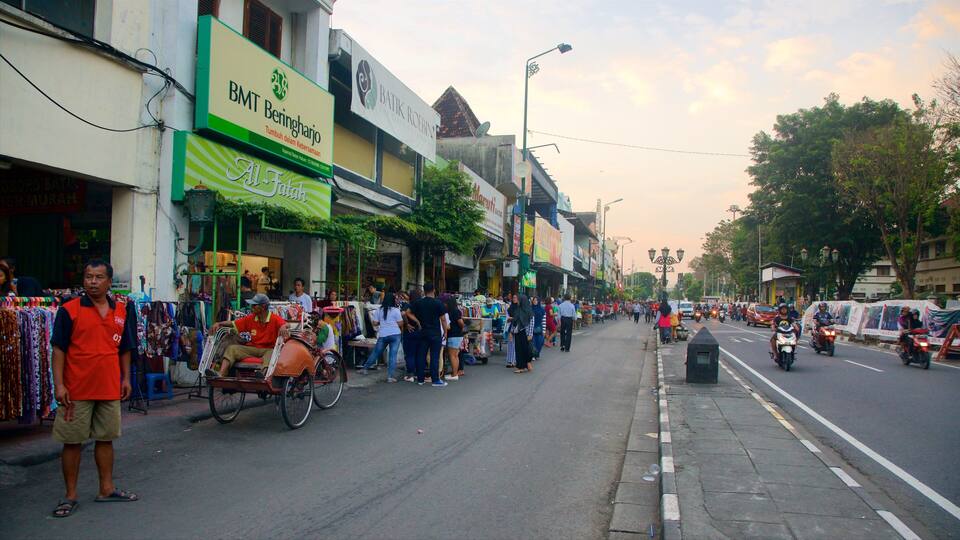
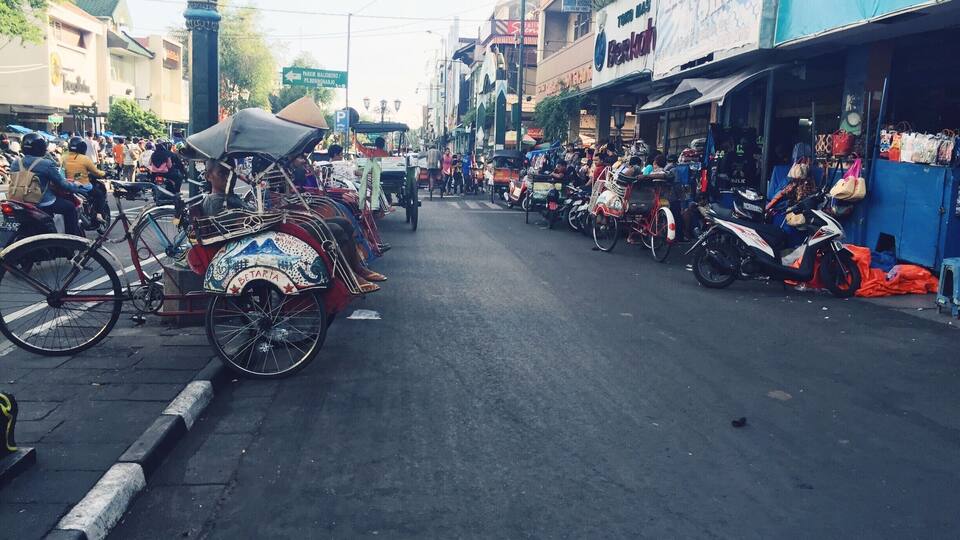
Reach Yogyakarta by flying into Adisucipto International Airport, or catch the regional bus or train. In the city, get around by taxi, bus or tricycle rickshaw. Make sure you haggle and agree on a price before getting into the rickshaw. To make the most of Yogyakarta’s outdoor activities, visit during the dry season, from July to September.


![Batik (Javanese pronunciation: [ˈbateʔ]; Indonesian: [ˈbatɪk]) is a technique of wax-resist dyeing applied to whole cloth, or cloth made using this technique. Batik is made either by drawing dots and lines of the resist with a spouted tool called a canting (IPA: [ʈ͡ʂantiŋ], also spelled tjanting), or by printing the resist with a copper stamp called a cap (IPA: [ʈ͡ʂap], also spelled tjap). The applied wax resists dyes and therefore allows the artisan to color selectively by soaking the cloth in one color, removing the wax with boiling water, and repeating if multiple colors are desired.
A tradition of making batik is found in various countries, including Nigeria, China, India, Malaysia, Philippines and Sri Lanka; the batik of Indonesia, however, is the most well-known. Indonesian batik made in the island of Java has a long history of acculturation, with diverse patterns influenced by a variety of cultures, and is the most developed in terms of pattern, technique, and the quality of workmanship. On October 2009, UNESCO designated Indonesian batik as a Masterpiece of Oral and Intangible Heritage of Humanity.
Source: Wikipedia
These batik clothes are sold at one of the high end hotel's gift shop in Yogyakarta. They are hand drawn and painted and hence command a high price! It ranges over US$200 although some cheap batik at the market can be found for a mere US$2. The difference lies in the quality, the design and also the amount of skill that's needed to make them.
Common batik wear are made from cotton. The ones shown here are silk and limited in quantity produced.
Yogyakarta and Surakata (Solo) are two cities where batik originated in Indonesia.
#unesco](https://images.trvl-media.com/place/1718/09cd56ac-2be9-4518-ac77-e217d037b46b.jpg?impolicy=fcrop&w=512&h=288&q=medium)