跳到页面主要部分
选购旅游产品
选购旅游产品
选购旅游产品
住宿
住宿
机票
机票
租车
租车
套餐
套餐
旅游活动
旅游活动
优惠
团体及会议
最后时限优惠
打开 App
HKD
发布您的住宿
联系我们
行程
Communication Center
登录
通过会员价解锁折扣立减
通过 One Key™ 计划在我们各品牌平台获得奖励
登录
我要提建议
中东
以弗所遗址
塞尔库克
伊兹密尔
土耳其
中东
计划您的旅行
以弗所遗址周边酒店
飞往塞尔库克的航班
塞尔库克旅游活动
以弗所遗址租车
塞尔库克度假套餐
以弗所遗址
以弗所遗址
以弗所遗址
以弗所遗址
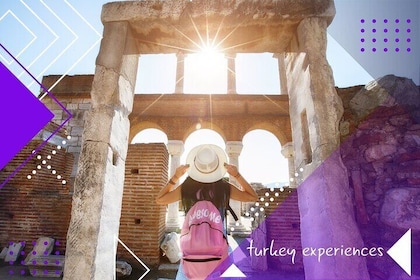
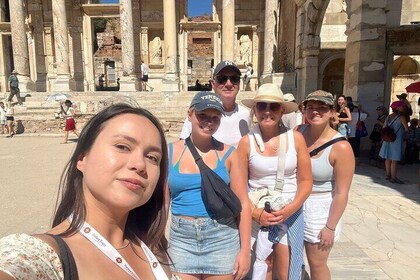
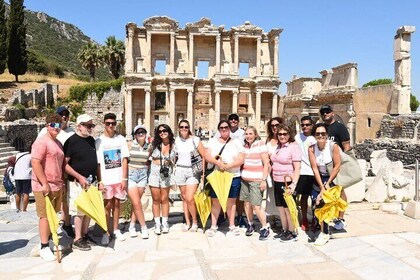
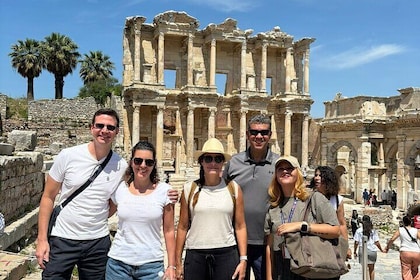
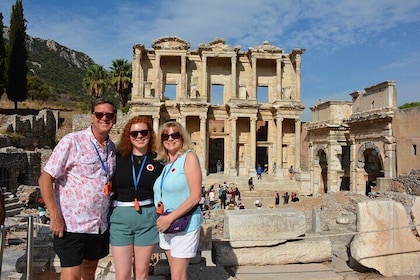
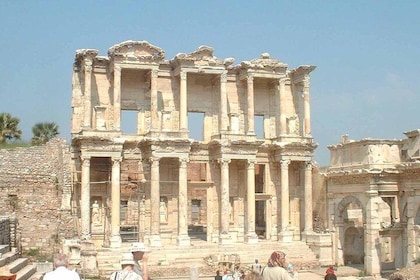
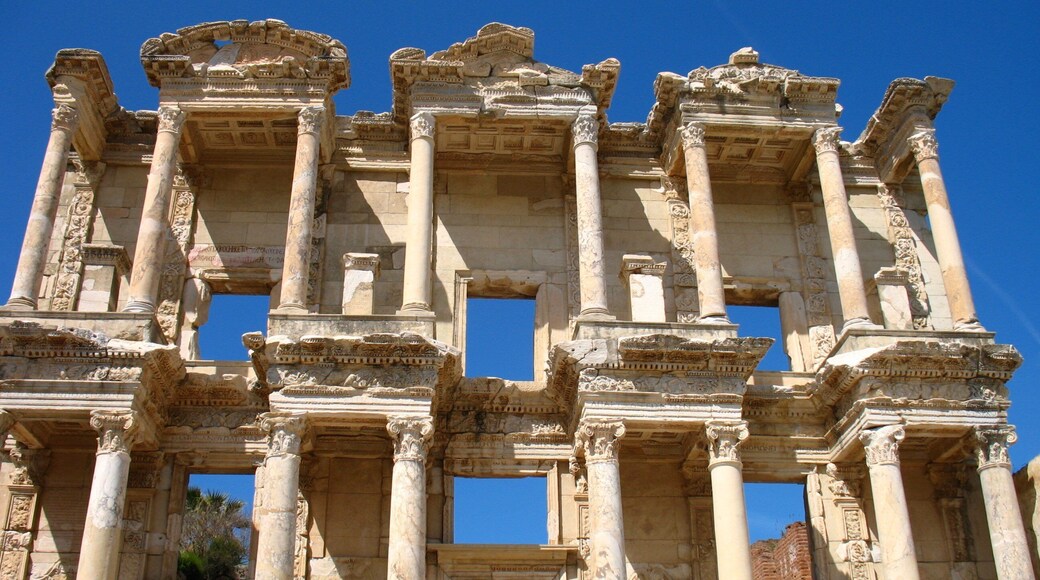
This library is one of the most beautiful structures in Ephesus. It was built in 117 A.D. It was a monumental tomb for Gaius Julius Celsus Polemaeanus, the governor of the province of Asia; from his son Galius Julius Aquila. The grave of Celsus was beneath the ground floor, across the entrance and there was a statue of Athena over it. Because Athena was the goddess of the wisdom. The scrolls of the manuscripts were kept in cupboards in niches on the walls. There were double walls behind the bookcases to prevent the them from the extremes of temperature and humidity. The capacity of the library was more than 12,000 scrolls. It was the third richest library in ancient times after the Alexandra and Pergamum. The facade of the library has two-stories, with Corinthian style columns on the ground floor and three entrances to the building. There are three windows openings in the upper story. They used an optical trick that the columns at the sides of the facade are shorter than those at the center, giving the illusion of the building being greater in size. The statues in the niches of the columns today are the copies of the originals. The statues symbolize wisdom (Sophia), knowledge (Episteme), intelligence (Ennoia) and valor (Arete). These are the virtues of Celsus. The library was restored with the aid of the Austrian Archaeological Institute and the originals of the statues were taken to Ephesus Museum in Vienna in 1910. There was an auditorium ,which was for lectures or presentations between the library and the Marble Road, was built during the reign of the Emperor Hadrian. #History Photo Contest #ancient #InStone #Lifeatexpedia #UNESCO World Heritage sites #culture
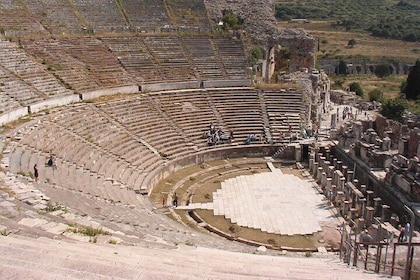
This is the most magnificent structure in Ephesus ancient city. The Great Theatre is located on the slope of Panayir Hill, opposite the Harbor Street, and easily seen when entering from the south entrance to Ephesus. It was first constructed in the Hellenistic Period, in the third century BC during the reign of Lysimachos, but then during the Roman Period, it was enlarged and formed its current style that is seen today. It is the largest in Anatolia and has the capacity of 25,000 seats. The cavea has sixty six rows of seats, divided by two diazoma (walkway between seats) into three horizontal sections. There are three sections of seats. In the lower section, Marble pieces, used for restoration, and the Emperor's Box were found. The seats with backs ,made of marble, were reserved for important people. The audience entered from the upper cavea. The stage building is three-storied and 18 meters high. The facade facing the audience was ornamented with relieves, columns with niches, windows and statues. There are five doors opening to the orchestra area, the middle one of which is wider than the rest. This enhanced the appearance of the stage, giving it a bigger, monumental look. The theatre was used not only for concerts and plays, but also for religious, political and philosophical discussions and for gladiator and animal fights. Best time to visit this magnificient archeological site is between march and may. Summer months are always with temperatures above 45°C. #History Photo Contest #Ancient #InStone #Turkey #Lifeatexpedia
25
查看全部 25 张照片
套餐
住宿
机票
租车
旅游活动
已添加住宿
已添加机票
经济舱
已选择
经济舱
经济舱
高端经济舱
高端经济舱
商务舱
商务舱
头等舱
头等舱
出发地