Things to do in Central Java

Activities, attractions and tours

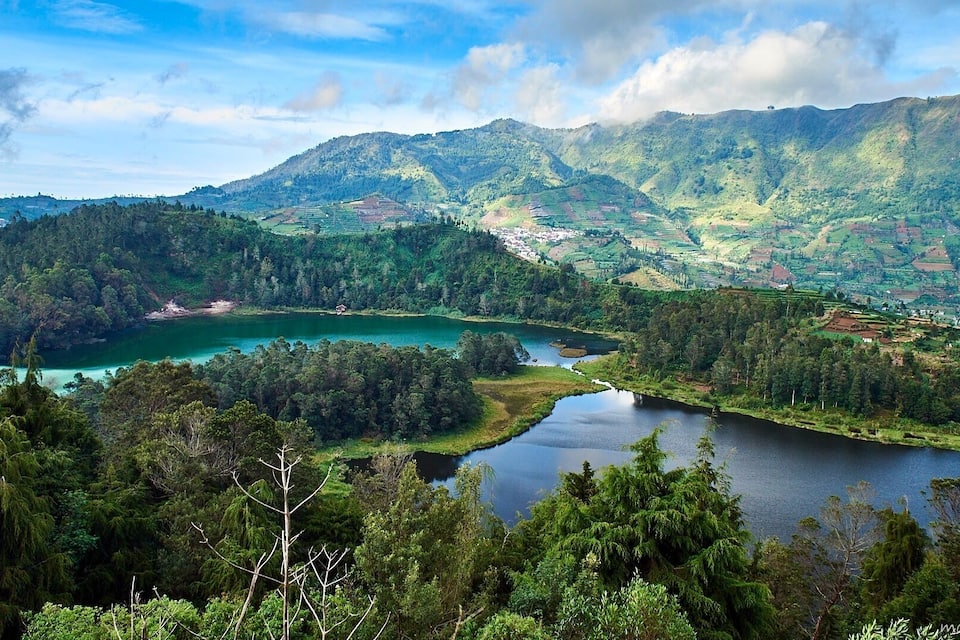
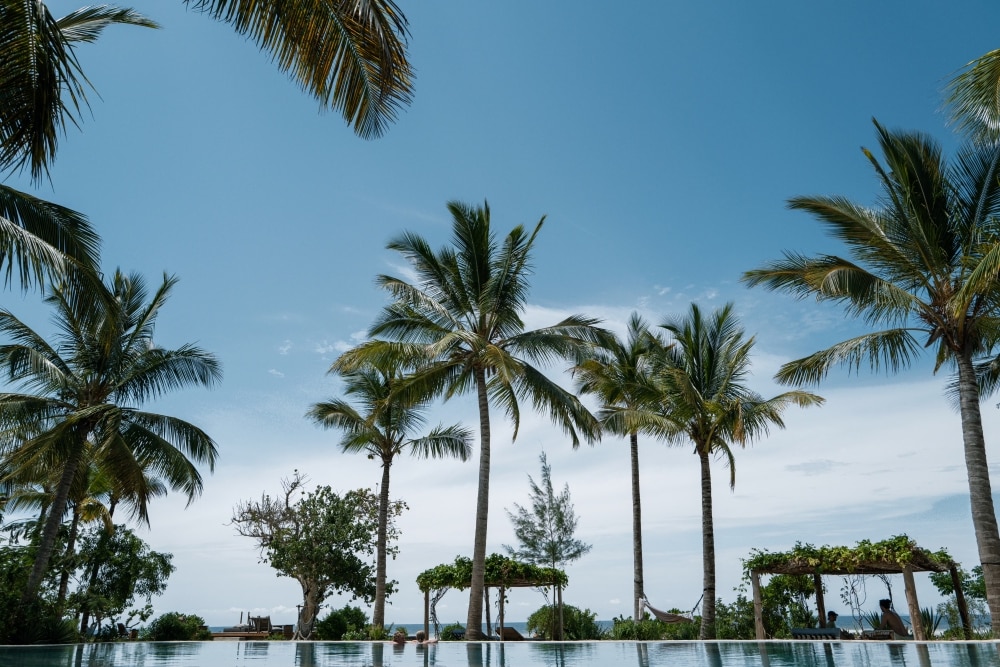
Central Java which includes tropical scenes, a beach and boating
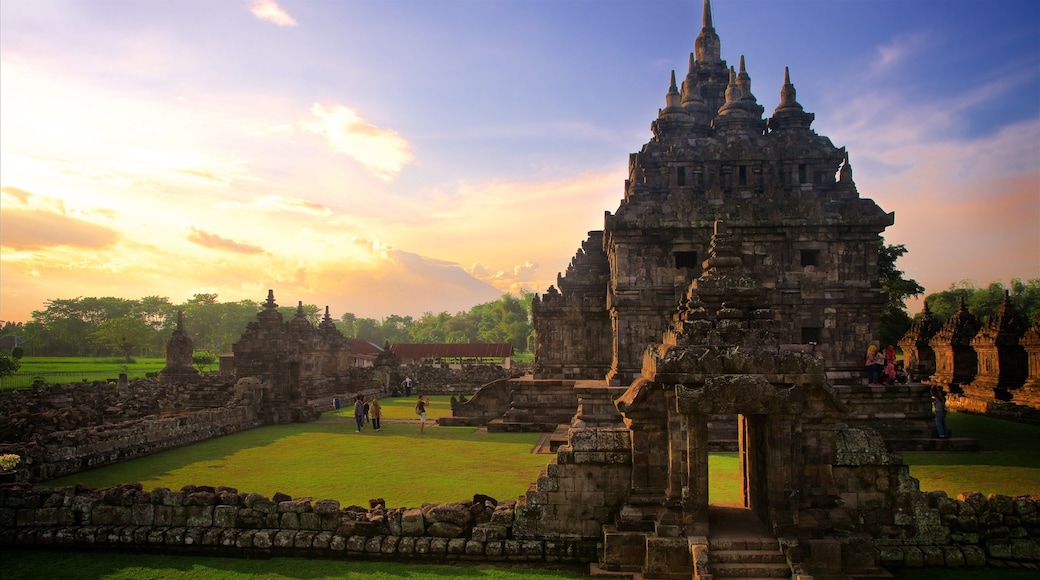
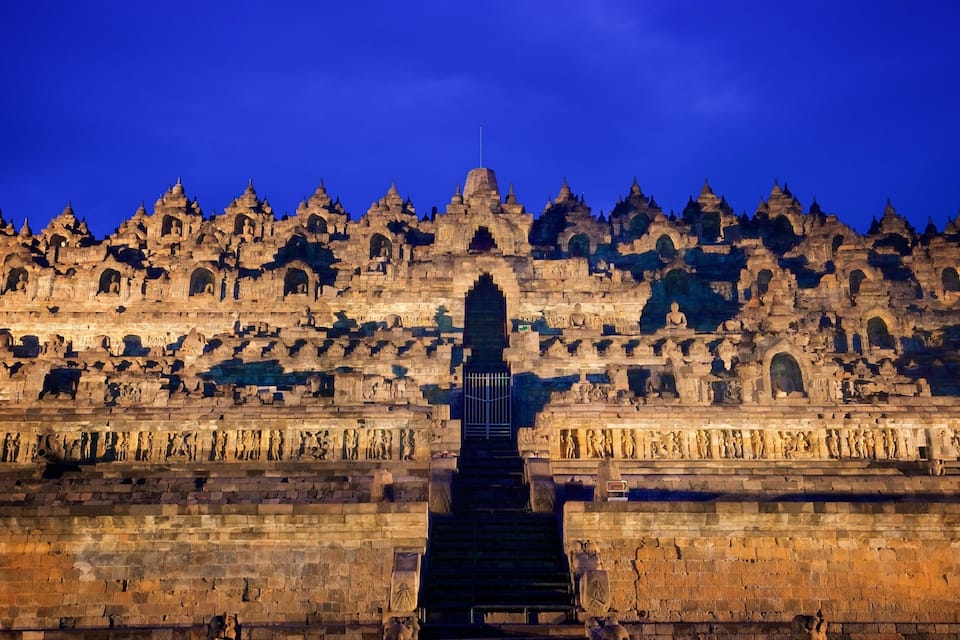
Prambanan Temple showing heritage architecture and building ruins
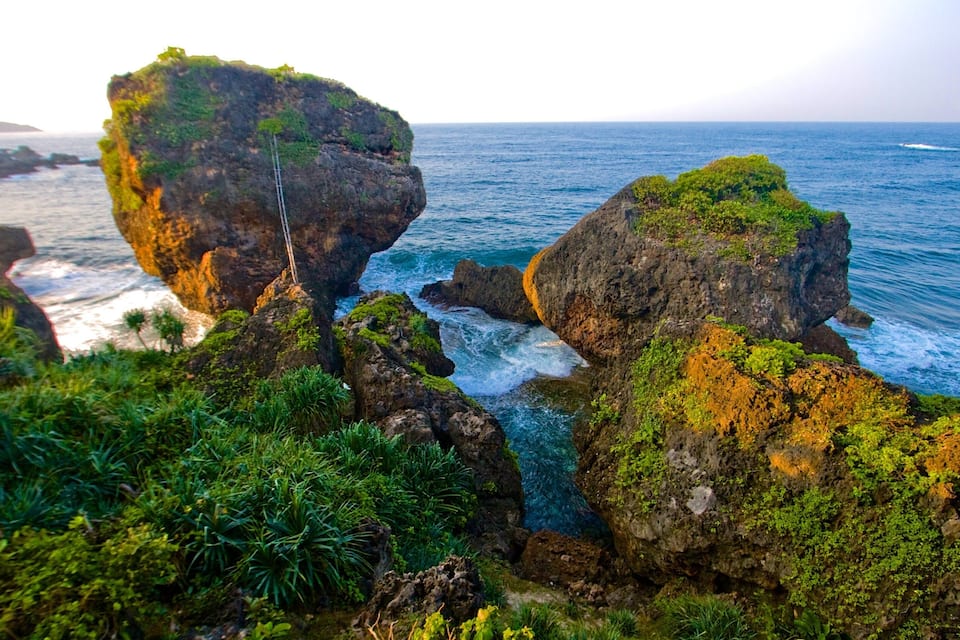
Central Java showing landscape views and a sandy beach
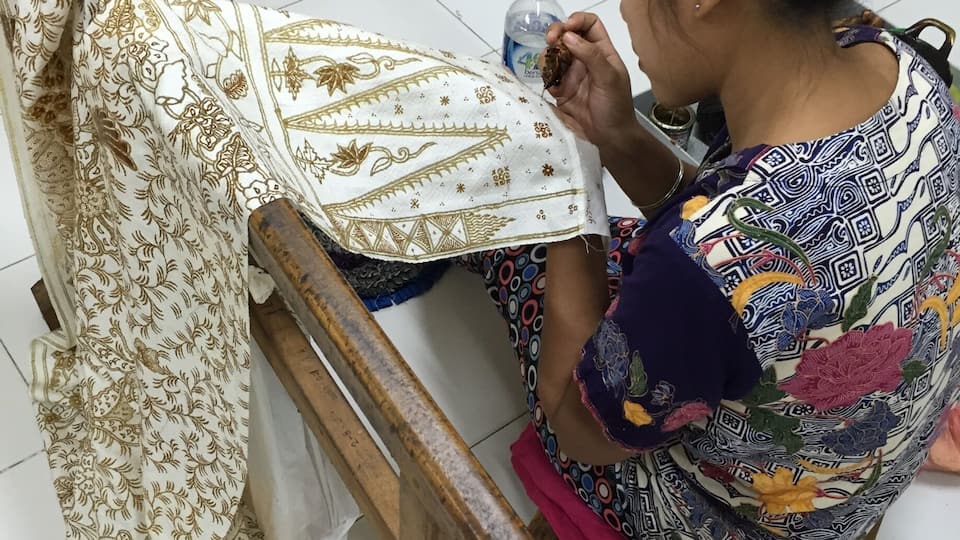
Central Java which includes general coastal views as well as an individual female

  • find price illustration

    Explore activities

    Explore thousands of experiences from activities and attractions to day tours and transfer.
  • calendar shield illustration

    Book with ease

    Skip the line- book tickets online in minutes to top attractions with free cancellation on many activities.
  • trophy illustration

    Treat yourself

    Members save % or more when you book activities.

Most popular experiences in Central Java

Tours & day trips

See all 179 activities

Adventure & outdoor

See all 41 activities

Food, drink & nightlife

See all 12 activities

Shows & concerts

See all 9 activities

Classes & workshops

See all 8 activities

What to do in Central Java


Popular places to visit

Areas of Central Java

At the museum no photos are allowed which is really unfortunate as it was well worth the visit and the guided tour is definitely not to be missed. In the museum there are even Batik made from the Dutch era which depicts stories like Little Red Riding Hood and Snow White!

I enjoyed the tour v much and at the end of the tour we were brought to this room where the artisan were working on hand drawn batik.

Below is an excerpt from Wikipedia for anyone interested in learning more about the process of batik making.

Firstly, a cloth is washed, soaked and beaten with a large mallet. Patterns are drawn with pencil and later redrawn using hot wax, usually made from a mixture of paraffin or bees wax, sometimes mixed with plant resins, which functions as a dye-resist. The wax can be applied with a variety of tools. A pen-like instrument called a canting (IPA: [tʃantiŋ], sometimes spelled with old Dutch orthography tjanting) is the most common. A canting is made from a small copper reservoir with a spout on a wooden handle. The reservoir holds the resist which flows through the spout, creating dots and lines as it moves. For larger patterns, a stiff brush may be used. Alternatively, a copper block stamp called a cap (IPA: [tʃap]; old spelling tjap) is used to cover large areas more efficiently.

After the cloth is dry, the resist is removed by scraping or boiling the cloth. The areas treated with resist keep their original color; when the resist is removed the contrast between the dyed and undyed areas forms the pattern. This process is repeated as many times as the number of colors desired.

The most traditional type of batik, called batik tulis

Solo City Centre

4.5/5(4 area reviews)

You'll enjoy the museums and zoo in Solo City Centre. You might want to make time for a stop at Solo Paragon Lifestyle Mall or Keprabon Park.

Solo City Centre
Default Image

West Semarang

While there might not be top attractions in West Semarang, you can explore the larger area and discover places like Lawang Sewu and DP Mall Semarang.

West Semarang
At the museum no photos are allowed which is really unfortunate as it was well worth the visit and the guided tour is definitely not to be missed. In the museum there are even Batik made from the Dutch era which depicts stories like Little Red Riding Hood and Snow White!

I enjoyed the tour v much and at the end of the tour we were brought to this room where the artisan were working on hand drawn batik.

Below is an excerpt from Wikipedia for anyone interested in learning more about the process of batik making.

Firstly, a cloth is washed, soaked and beaten with a large mallet. Patterns are drawn with pencil and later redrawn using hot wax, usually made from a mixture of paraffin or bees wax, sometimes mixed with plant resins, which functions as a dye-resist. The wax can be applied with a variety of tools. A pen-like instrument called a canting (IPA: [tʃantiŋ], sometimes spelled with old Dutch orthography tjanting) is the most common. A canting is made from a small copper reservoir with a spout on a wooden handle. The reservoir holds the resist which flows through the spout, creating dots and lines as it moves. For larger patterns, a stiff brush may be used. Alternatively, a copper block stamp called a cap (IPA: [tʃap]; old spelling tjap) is used to cover large areas more efficiently.

After the cloth is dry, the resist is removed by scraping or boiling the cloth. The areas treated with resist keep their original color; when the resist is removed the contrast between the dyed and undyed areas forms the pattern. This process is repeated as many times as the number of colors desired.

The most traditional type of batik, called batik tulis

Banjarsari

If you're spending some time in Banjarsari, Solo Paragon Lifestyle Mall and Balekambang City Park are top sights worth seeing.

Banjarsari
Default Image

Semarang Old Town

Semarang Old Town is noteworthy for its shopping, and you can make a stop at top attractions like Kota Lama Semarang and Semarang Contemporary Art Gallery.

Semarang Old Town
Default Image

Candisari

While there might not be top attractions in Candisari, you can explore the larger area and discover places like Simpang Lima Park and Ciputra Mall Semarang.

Candisari
Default Image

Dadapsari

4/5(1 area review)

When in Dadapsari, you can plan a visit to Paragon City Mall Semarang and Old Semarang Post Office, some noteworthy sights in the nearby area.

Dadapsari