跳至主目錄
搜尋行程
搜尋行程
搜尋行程
酒店/住宿
酒店/住宿
機票
機票
租車
租車
套票行程
套票行程
當地玩樂
當地玩樂
優惠
團體和會議
最後召集優惠
打開 App
HKD
刊登住宿
一般支援
行程
Communication Center icon
登入
會員價即訂即慳
登入
意見
歐洲
巴爾德頓
紐華克
英格蘭
英國
歐洲
計劃行程
巴爾德頓酒店
巴爾德頓出租度假屋
巴爾德頓租車
巴爾德頓套票行程
巴爾德頓
旅遊指南
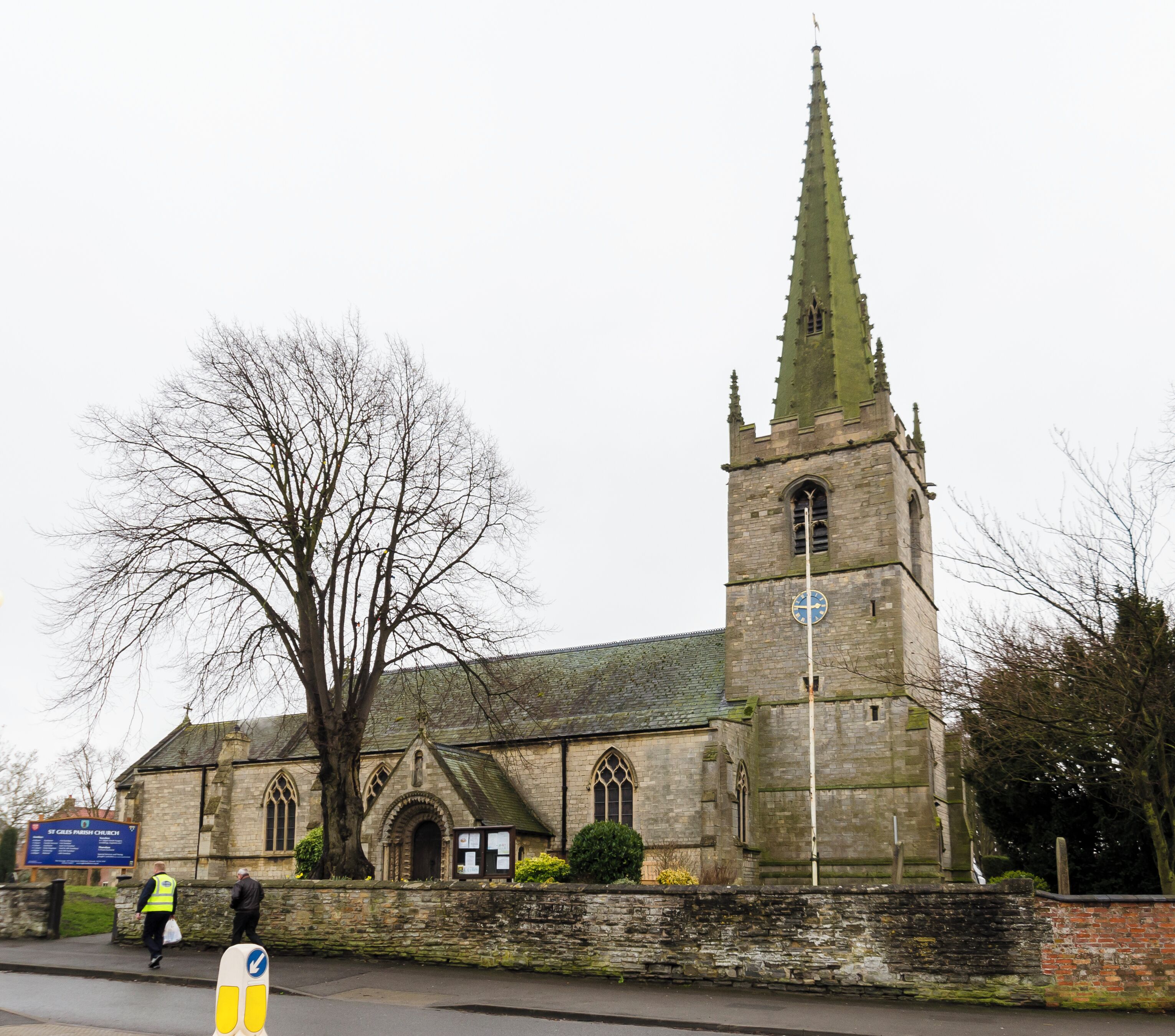
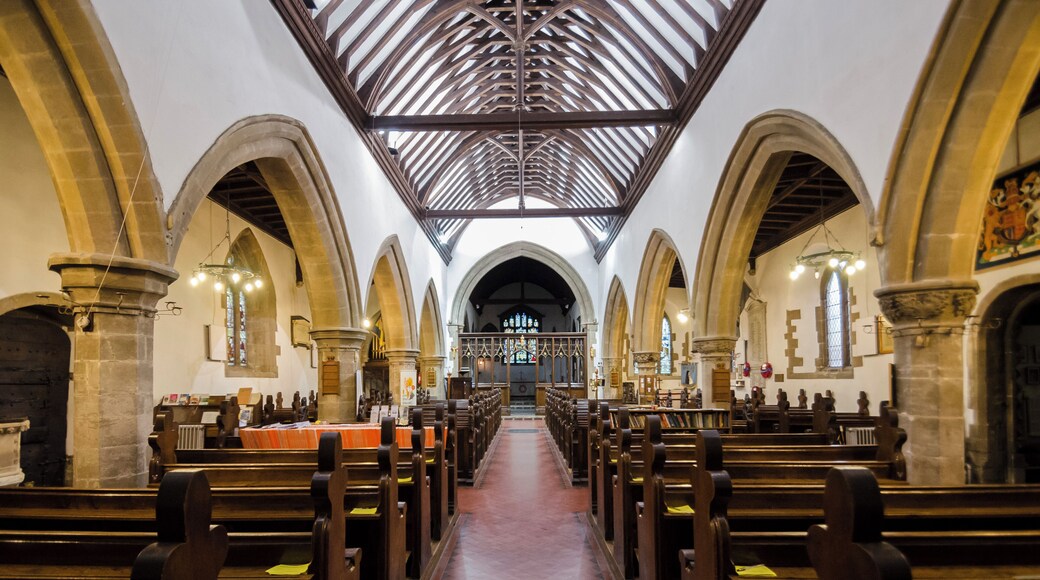
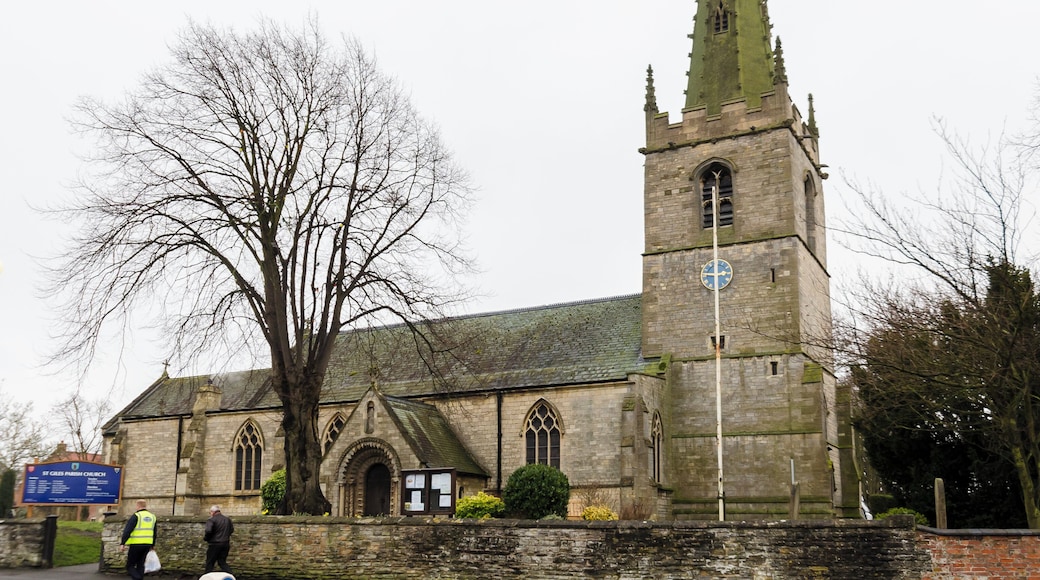
Balderton dates back to Saxon times, and it is known that Lady Godiver the wife of Earl Leofric had property nearby. In the past the Great North Road from London to York passed through the village. There is no trace of an original Saxon church, although one probably existed. The church dates from the 12th century when a simple building, some of which still remains in the nave, was constructed. The north and south doorways still retain Norman arches with zigzag patterning (although both have been moved from their original position). The church consists of a tower with spire, nave with north and south aisles, north and south porches, and a chancel with north Chapel which houses the organ. The tower dates from the 13th century and is of three stages. It was encased in ashlar in the 1880s. The top is embattled with pinnacles and gargoyles. The spire dates from circa 1400 and is crocketted with lucarnes. There are 8 bells. The nave has four bay arcades with octagonal piers. In the 13th century the north aisle was added and a larger chancel was built. Shortly after, the nave was extended westward, and the building of the tower commenced, this was delayed by the Black Death of 1347. The south aisle was added in the 14th century. The font also dates from this time. It is octagonal, with ball flower ornamentation. Around this time a clerestory was added, which was later removed in Victorian times. The screen dates from the 15th century and it was originally brightly painted and had panels of Biblical scenes. Evidence of the stonework supporting the rood loft was removed during restoration in 1882. In the late 15th century the pews were installed. These have carved poppy heads depicting animals and other figures, one man is playing Lincolnshire bagpipes. There are also undecorated 19th-century pews. The pulpit is from around 1475 and was previously on the south side of the chancel arch but was moved in 1882. The north door with its wicket is of the same 15th century period. The Victorian restoration of the church took place in 1882, when the nave roof was altered and the clerestory removed. The chancel roof had already been replaced in 1850, and additional pews were installed. The north porch was rebuilt incorporating the Norman arch. In 1929 cracks were found in the tower wall and major repairs to the foundations were undertaken. A new vestry was constructed in 1964 on the south side of the church. In 1983 the chancel was encased in Ancaster stone, matching the rest of the church. There are several 19th-century stained-glass windows and some reset fragments of 15th century glass which were found in the churchyard.
Jules & Jenny
的相片 (
Creative Commons Attribution 2.0
)
Balderton dates back to Saxon times, and it is known that Lady Godiver the wife of Earl Leofric had property nearby. In the past the Great North Road from London to York passed through the village. There is no trace of an original Saxon church, although one probably existed. The church dates from the 12th century when a simple building, some of which still remains in the nave, was constructed. The north and south doorways still retain Norman arches with zigzag patterning (although both have been moved from their original position). The church consists of a tower with spire, nave with north and south aisles, north and south porches, and a chancel with north Chapel which houses the organ. The tower dates from the 13th century and is of three stages. It was encased in ashlar in the 1880s. The top is embattled with pinnacles and gargoyles. The spire dates from circa 1400 and is crocketted with lucarnes. There are 8 bells. The nave has four bay arcades with octagonal piers. In the 13th century the north aisle was added and a larger chancel was built. Shortly after, the nave was extended westward, and the building of the tower commenced, this was delayed by the Black Death of 1347. The south aisle was added in the 14th century. The font also dates from this time. It is octagonal, with ball flower ornamentation. Around this time a clerestory was added, which was later removed in Victorian times. The screen dates from the 15th century and it was originally brightly painted and had panels of Biblical scenes. Evidence of the stonework supporting the rood loft was removed during restoration in 1882. In the late 15th century the pews were installed. These have carved poppy heads depicting animals and other figures, one man is playing Lincolnshire bagpipes. There are also undecorated 19th-century pews. The pulpit is from around 1475 and was previously on the south side of the chancel arch but was moved in 1882. The north door with its wicket is of the same 15th century period. The Victorian restoration of the church took place in 1882, when the nave roof was altered and the clerestory removed. The chancel roof had already been replaced in 1850, and additional pews were installed. The north porch was rebuilt incorporating the Norman arch. In 1929 cracks were found in the tower wall and major repairs to the foundations were undertaken. A new vestry was constructed in 1964 on the south side of the church. In 1983 the chancel was encased in Ancaster stone, matching the rest of the church. There are several 19th-century stained-glass windows and some reset fragments of 15th century glass which were found in the churchyard.
Jules & Jenny
的相片 (
Creative Commons Attribution 2.0
)
Balderton dates back to Saxon times, and it is known that Lady Godiver the wife of Earl Leofric had property nearby. In the past the Great North Road from London to York passed through the village. There is no trace of an original Saxon church, although one probably existed. The church dates from the 12th century when a simple building, some of which still remains in the nave, was constructed. The north and south doorways still retain Norman arches with zigzag patterning (although both have been moved from their original position). The church consists of a tower with spire, nave with north and south aisles, north and south porches, and a chancel with north Chapel which houses the organ. The tower dates from the 13th century and is of three stages. It was encased in ashlar in the 1880s. The top is embattled with pinnacles and gargoyles. The spire dates from circa 1400 and is crocketted with lucarnes. There are 8 bells. The nave has four bay arcades with octagonal piers. In the 13th century the north aisle was added and a larger chancel was built. Shortly after, the nave was extended westward, and the building of the tower commenced, this was delayed by the Black Death of 1347. The south aisle was added in the 14th century. The font also dates from this time. It is octagonal, with ball flower ornamentation. Around this time a clerestory was added, which was later removed in Victorian times. The screen dates from the 15th century and it was originally brightly painted and had panels of Biblical scenes. Evidence of the stonework supporting the rood loft was removed during restoration in 1882. In the late 15th century the pews were installed. These have carved poppy heads depicting animals and other figures, one man is playing Lincolnshire bagpipes. There are also undecorated 19th-century pews. The pulpit is from around 1475 and was previously on the south side of the chancel arch but was moved in 1882. The north door with its wicket is of the same 15th century period. The Victorian restoration of the church took place in 1882, when the nave roof was altered and the clerestory removed. The chancel roof had already been replaced in 1850, and additional pews were installed. The north porch was rebuilt incorporating the Norman arch. In 1929 cracks were found in the tower wall and major repairs to the foundations were undertaken. A new vestry was constructed in 1964 on the south side of the church. In 1983 the chancel was encased in Ancaster stone, matching the rest of the church. There are several 19th-century stained-glass windows and some reset fragments of 15th century glass which were found in the churchyard.
Jules & Jenny
的相片 (
Creative Commons Attribution 2.0
)
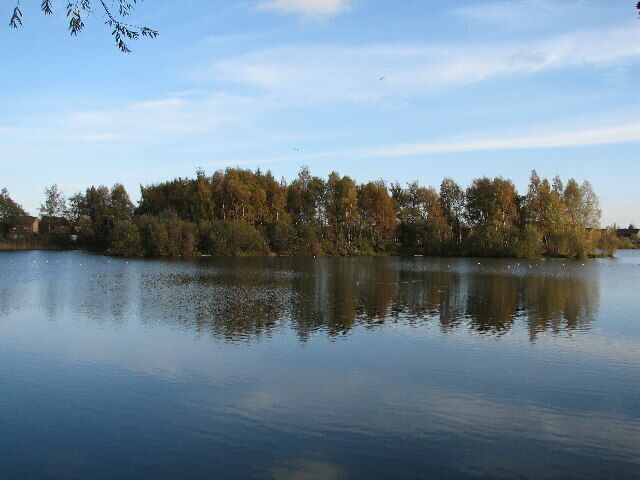
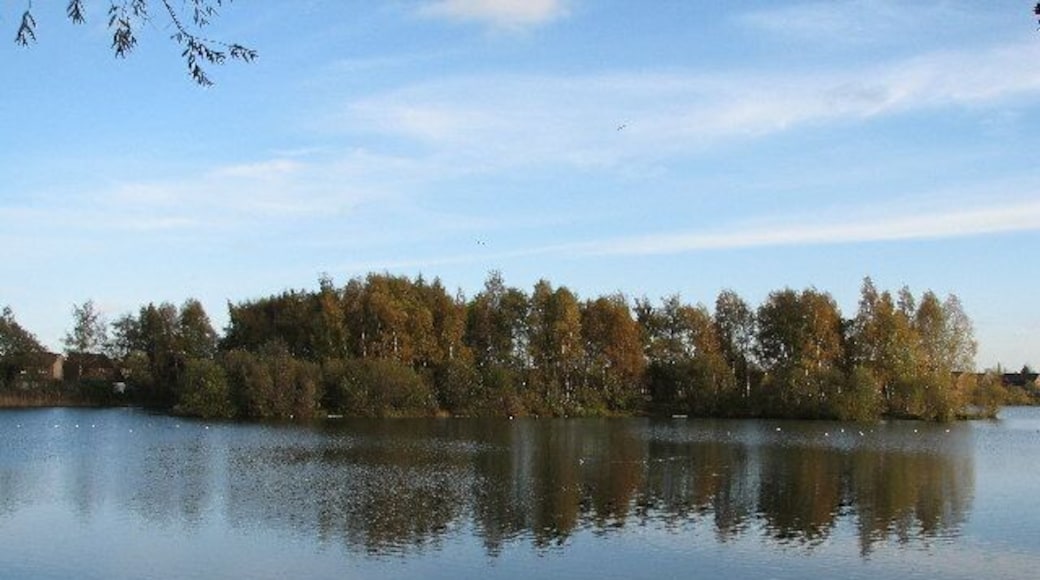
Balderton Lake. Former gravel pit that at one time used to be twice the size. But like most areas half has been infilled for new housing.
Bob Danylec
的相片 (
Creative Commons Attribution-Share Alike 2.0
)
4
查看全部 4 張相片
入住
結束日期
旅客
搜尋
探索地圖
暢遊巴爾德頓